Author: admin

  •  Two ingredients to successful telecom partnerships 

     Two ingredients to successful telecom partnerships 

    Over the past few years, analysts have been touting the benefits of cross-industry partnerships between incumbents as well as challengers. Partnerships provide a way to leapfrog business, penetrate new markets, and grab a more significant share of the pie in a synergistic manner.

    Communication service providers (CSPs), the nerve-center of perhaps the most complex partner ecosystems, are no stranger to the value of partnerships. However, with digital transformation quickly replacing legacy systems and processes, these players struggle with low digital elasticity. This hinders their ability to be competitive and develop alliances quickly. Without digital tools and the right platforms, navigating the complex web of multi-partite telco partnerships can be challenging, yielding lesser value than expected.

    What are these critical platform capabilities and digital tools, and how do they deliver benefits? Let us look at some of the partnerships forged by two leading telecom players to understand these must-have features:

    Airtel’s vibrant expansion

    Over the past few years, Bharti Airtel has been aggressively innovating to extend its reach into different verticals and expand its product portfolio for its 300+ million customers. The Airtel Payments Bank, a comprehensive payments portal, saw partnerships with many players like MasterCard and HPCL in addition to products like Bharti AXA Life insurance. In September 2019, Airtel entered the OTT segment with the launch of Airtel Xstream, a digital entertainment platform that provides movies, apps, games, and TV channels. Since its release, Xstream has been forging partnerships with various media content providers, notably Netflix, Amazon Prime, and Lionsgate Play, to deliver content in India’s diverse regional languages. In keeping with its brand identity of youthfulness, Airtel is set to promote health and fitness content via Spectacom, a local upstart, to all its users. More recently, Airtel has tied up with Apollo Hospitals in a telco-healthcare deal that aims to use Airtel Thanks app to provide an AI-based COVID-19 risk assessment.

    Lessons: Identify the right partners to amplify the value

    Telcos can encourage either rigid or fluid partnerships based on internal dexterity. To foster future-ready alliances, they need to identify agile upstarts as well as incumbent players, rapidly grab and onboard them, and launch services quickly. Digital partner platforms can simplify the process of partner recruitment, clarify what tools, networks and channels are available, how to leverage existing platforms when pushing new services and products, and educate partners on how to realize value through deep customer engagement jointly.

    Verizon and Google symbiosis

    In 2013, PwC predicted that telcos could become aggregators of cloud-based enterprise services because of inherent advantages of vast networks, data, and transmission infrastructure. However, it is only in the last couple of years that we are witnessing such partnerships bloom. Take the case of Google and Verizon. In 2017, Verizon moved 150,000 of its own employees to G-Suite. After a year of trialing, Verizon migrated another 100,000 workers to the platform. Today, Verizon is an active reseller of G-Suite, using its own 4G LTE network to deliver workplace productivity and collaborative tools to enterprise customers. Verizon and Google are taking it one step further now through the introduction of YouTube-TV to Verizon individual customers in a platform-agnostic manner.

    Lessons: Deepen partnerships for sustained revenue

    It is not just about on-boarding new partners but discovering ways to keep the partnership profitable. As telcos innovate, so do their partners. Thus, any partner management solution platform must have transparent and precise ways to score partner performance. It should also simplify partner access to multiple verticals through reusable partner profiles and partner data. This is crucial to deepen relationships by visualizing how new partner products can integrate with the telco value chain, create synchrony between pricing and business models, and co-innovate for specific use cases.

    Why digital partner management solutions are important

    Having worked closely with telcos, Subex knows that partnership is the way forward, especially as CSP revenues from traditional services dip. However, on their own, telcos do not have a reputation of digital mastery and are often limited to national markets instead of global ones. Thus, while smart and long-lasting alliances is the way ahead, the right partner management system is how CSPs can get their foot in the door to unlock unprecedented value. In fact, TMforum reports that “industrial automation, remote monitoring, digital health, smart grid, smart city, and connected vehicles collectively represent a $1 trillion market by 2023.” Clearly, CSPs must evolve their digital partner ecosystems – quickly – to exploit this opportunity.

    Digital partner onboarding is the first step to successful collaboration.

    Find out how Subex can help

  • The Latest in the Network Capacity Management Space

    The Latest in the Network Capacity Management Space

    Thoughts from Subex

    2020 has been touted as the beginning of the road to 5G. While we continue to ride along that road, the current global pandemic caused by COVID-19 has caused CSPs to take a step back and plan their investments and their roadmaps even more judiciously. Hence while 5G is still the ‘talk of the town,’ it has certainly faced its first major global hurdle. This effect can be demonstrated through 3GPP’s decision to delay its Release 16 (initially planned for June), covering some key specifications related to URLLC. This step will further delay planned 5G rollouts.

    COVID-19 has also shifted the usage focus from mobile internet to fixed-line broadband, adding significant revenue strain for mobile-only CSPs in some of the regions. 5G FWA was seen as a solution, especially for rural markets; however, it has had to take a back seat. CSPs, now more than ever, need to optimize their capacity if they are to seize their share of the pie.

    On the other, and slightly more humorous side, there are rumors, or rather baseless conspiracy theories, of how 5G is slowly killing us, sparked by the onset of COVID-19. We at Subex obviously do not pay heed to such rumors, but it did make waves in the news, and hence we have added it in this newsletter.

    On that note, here the first and latest version of our Capacity Management Newsletter. We hope you enjoy reading it as much as we enjoyed creating it for you.

    Top News from the Sector

    What is 5G?, Your questions answered

    Companies are racing to have the fastest or largest 5G networks. And countries are competing to be the first to deploy fully functional, nationwide 5G. That’s because the benefits of the new technology are expected to fuel transformative new technologies, not just for consumers but also for businesses, infrastructure, and defense applications.

    https://edition.cnn.com/interactive/2020/03/business/what-is-5g/index.html

    Is 5G Going to Kill Us All?

    A new generation of superfast wireless internet is coming soon. But no one can say for sure if it’s safe.

    https://newrepublic.com/article/157603/5g-going-kill-us-all

    5G FWA, Game Changer for Fixed Broadband

    FWA offers an ideal solution to providing high-speed access for households lacking fixed network coverage or with increased bandwidth demand. As well as this, it’s easy to set up, eliminating the need for home visits.

    https://www.lightreading.com/partner-perspectives-(sponsored-content)/5g-fwa-game-changer-for-fixed-broadband/a/d-id/759705

    Core Internet players will ‘easily absorb’ COVID-19-induced traffic surge, Internet Society says

    Amid lockdowns, school closures, and an influx of at-home workers as part of efforts to control the spread of COVID-19, questions are swirling about whether the world’s Internet infrastructure will buckle under the stress of the anticipated surge in data usage.

    https://www.lightreading.com/optical-ip/fttx/core-internet-players-will-easily-absorb-covid-19-induced-traffic-surge-internet-society-says/d/d-id/758202

    Open RAN Policy Coalition launches to ‘spur competition’ in 5G

    A new group of operators and telecom network hardware and software vendors announced today the formation of the Open RAN Policy Coalition. As 5G deployments continue around the world, open RAN has gained momentum based on selling points, including breaking vendor lock-in, letting operators mix-and-match components, reducing TCO and increasing performance.

    https://www.rcrwireless.com/20200505/policy/open-ran-policy-coalition-launches

    Insights from your peers

    As per 2019 annual report, Vodafone Group will expedite 5G deployments in the coming months to bring down the unitary cost.

    “The cost per gigabyte on a 5G network is up to 10 times more efficient than on 4G, therefore driving unitary cost down.” – – http://media.corporate-ir.net/media_files/IROL/77/77862/annual-reports/annual_report19/downloads/Vodafone-full-annual-report-2019.pdf

    As per 2019 annual report, AT&T will launch 5G services nationwide with priority. They are expecting rapid growth in wireless video usage and will put heavy emphasis and focus on enabling towards next-generation converged services that combine technologies and services.

    https://investors.att.com/~/media/Files/A/ATT-IR/financial-reports/annual-reports/2019/complete-2019-annual-report.pdf

    As per 2019 annual report, America Movil has talked about spending significant CAPEX to expand network capacities on a market-by-market basis. Surprisingly enough, they are talking about this investment in 3G and 4G LTE segment (Page 14), rather than in 5G. – https://s22.q4cdn.com/604986553/files/doc_financials/2019/ar/2019-20-F-EN.pdf

    As per 2019 annual report, Orange has explained how they are leveraging big data and AI to arrive at smart investment decisions, which helps the underlying business and yielding EUR 20 million savings per year (Page 88). https://rai2019.orange.com/wp-content/uploads/sites/38/2020/05/rai_orange_2019_en_accessible.pdf

  • The Latest in the Network Asset Management Space

    The Latest in the Network Asset Management Space

    Thoughts from Subex

    The first half of the year has been an exciting one in the network asset domain. Conversations around network sharing, which we have captured a glimpse of, continue to be prevalent, which further resonates with the thoughts echoed by Brian Barnell, Managing Director, FierceWireless, last year. It will be interesting how this trend grows in the coming months, as network infrastructure itself continues to evolve.

    Another interesting trend we are seeing, and this stems further from our conversations with customers is the rising number of contracts CSPs have to deal with. Had this newsletter covered the new vendor deals CSPs are signing, the newsletter would only cover deal announcements. But that just shows us just how vital Contract Management is becoming, considering the news only covers the big announcements. In reality, these contracts easily go above and beyond the 1k figure, and CSPs are looking at ways to improvise and alleviate this challenge. BT has captured some of the risks associated with contract management, and it shows that this problem is quite real.

    On that note, here the first and latest version of our Network Asset Management Newsletter. We hope you enjoy reading it as much as we enjoyed creating it for you.

    Top News from the Sector

    Unlocking and Building Value in Telecom

    What does it mean that three of the highest-return telecom companies over the past five years are not real telecom companies? Could there be any clearer signal that the industry is under the sway of fundamental transformation than the fact that three tower companies—companies that own passive telecom infrastructure—generated higher shareholder returns from 2015 to 2019 than almost all operators? The apparent moral here is that it’s more profitable to own passive telecom assets than to operate wireless services.

    https://www.bcg.com/en-in/publications/2020/tmt-value-creators-unlocking-building-value-telecom.aspx

    Airtel and Sercomm launch virtualized TDD small cell

    Hailed as the world’s first and jointly developed by the two companies, the small cell offers a plug-and-play approach for the cloud radio network connection and will deliver enhanced efficiencies. “At Airtel, we are obsessed with our customers and adding value to their lives with our offerings,” said Randeep Sekhon (pictured), CTO of Bharti Airtel.

    https://www.capacitymedia.com/articles/3825433/airtel-and-sercomm-launch-virtualised-tdd-small-cell

    SDN eases pandemic’s telecom burden

    Software-defined networking played an important role in supporting the massive work-from-home response to the pandemic in the last few months, according to some carrier members of the National Security Telecommunications Advisory Council (NSTAC).

    https://gcn.com/articles/2020/05/15/sdn-pandemic-network-traffic.aspx

    Deep dive: what’s the deal with network sharing?

    5G is on the horizon, and it has the telcos scrambling. Upgrading telecoms infrastructure is going to be a very expensive job, ranging from fibering up a nation to purchasing active infrastructure for sites and even paying for civil engineering jobs; building passive infrastructure is not cheap! Telcos need a way to make the financials of the telecoms future work.

    https://telecoms.com/501903/deep-dive-whats-the-deal-with-network-sharing/

    Insights from your peers

    As per the 2019 annual report, Vodafone Group has put a clear strategic priority on improving asset utilization to improve return on capital.

    http://media.corporate-ir.net/media_files/IROL/77/77862/annual-reports/annual_report19/downloads/Vodafone-full-annual-report-2019.pdf

    As per the 2019 annual report, AT&T is targeting to monetize $5-$10 billion of non-core assets by 2020. On the other hand, AT&T expects to invest gross capital of $20 billion. Which means half of the investment money they are expecting to receive from monetizing the non-core assets. https://investors.att.com/~/media/Files/A/ATT-IR/financial-reports/annual-reports/2019/complete-2019-annual-report.pdf

    As per the 2019 annual report, Telefonica has set a goal to reduce energy consumption per unit of data traffic by 85% in 2025. Towards this initiative, they will initiate ‘Network Transformation’ programs specifically to shutdown legacy networks https://www.telefonica.com/documents/162467/141705152/Consolidated-Annual-Accounts-2019.pdf/2532d380-3cfd-5d90-d0d8-a475f7a4251f

    As per the 2019 annual report, BT has highlighted the risks associated with high-value contracts and potential impact on business. https://www.btplc.com/Sharesandperformance/Annualreportandreview/2019summary/assets/documents/BT_annual_report_2019.pdf

    As per the 2019 annual report, Bell has sighted the risk of hindering operational efficiency followed by dissatisfied customers due to the presence of a large number of interconnected B/OSS platforms in their ecosystem. Then they talked about implementing an operating framework to introduce the required governance in the near future.

    https://www.bce.ca/investors/AR-2019/2019-bce-annual-report.pdf

  • Digital Trust – 2020 Trends

    Digital Trust – 2020 Trends

    With the rapid acceleration of digitization driven by an unprecedented catalyst named COVID-19, the topic of Digital Trust seems to have become even the more relevant to digital businesses today. Interactions behind digital curtains require a high level of trust to be established between the parties involved, and this is easier said than done. At Subex, our priority lies in helping businesses establish trust within their digital ecosystem, and over the last few months, we have closely analyzed the market, spoken to multiple leaders, analysts, policy makers, media and influencers to understand the trends that are shaping the evolution of Digital Trust, and this blog is an attempt to outline the same.

    1. Digital Trust is becoming a board room priority

    Increasingly, a lot of leaders are talking about Digital Trust, as businesses start to realize the strategic importance of the term. A few years ago, perhaps only the visionaries and the trendsetters picked up and acted on Digital Trust, as many leaders were yet to see a direct correlation between a concept like trust and their bottom line. Things however have significantly changed with the onslaught of digital services, and at this very moment, Digital Trust is one of the top priorities for all CxOs globally.

    2. Digital Trust extends beyond security and privacy

    The concept of Digital Trust began with a small scope. In its original form, it probably covered only the areas of security and privacy with its relevance being limited to only data breaches and misuse of consent. However, the current form of Digital Trust is a wider topic spanning across different areas like identity, risk mitigation, predictability, and data integrity, along with privacy and security.

    3. Consumer awareness about Digital Trust increases

    Until a few years ago, Digital Trust was probably a topic that the average consumer didn’t grasp quite well. There was ambiguity around the topic, and this was compounded by the fact that organizations and leaders were yet to address this as a key priority. This however has changed in the recent times. Today, consumers are a lot more informed about the concept of trust in digital businesses, and make conscious decisions based on an organization’s ability to demonstrate a trustworthy ecosystem.

    4. Enterprise angle to Digital Trust becomes prominent

    Another significant trend that is beginning to surface is the increased relevance of Digital Trust in the enterprise scenario. Typically, because of the ‘privacy and security’ play of Digital Trust, the topic was perceived to be largely relevant to the consumer segment, pushing only B2C businesses to heavily focus on it. However, with the expansion of the scope of Digital Trust to cover important areas like identity, risk mitigation, predictability, and data integrity, the topic has become extremely relevant to B2B and B2G (government) side of the business too.

    5. Lack of trust begins to show quantifiable impact

    We discussed in an earlier point, that consumers are now making conscious decisions based on an organization’s ability to demonstrate a trustworthy ecosystem, and this is beginning to show measurable impact on the subscribers and revenues of digital businesses. In addition to this, a continued demonstration of trust has been known to subconsciously influence the decisions of consumers, as discussed in this blog.

    “Digital Trust is an essential promise we make and deliver to all our stakeholders.” This is a statement that was made by the CEO of an APAC operator when we were interviewing him recently, and it perhaps best sums up the view of digital businesses today towards trust.

    To know more about the definition and significance of trust in a digital ecosystem, read our PoV on the topic

    Click here

  • Aproveche la logística inversa

    Aproveche la logística inversa

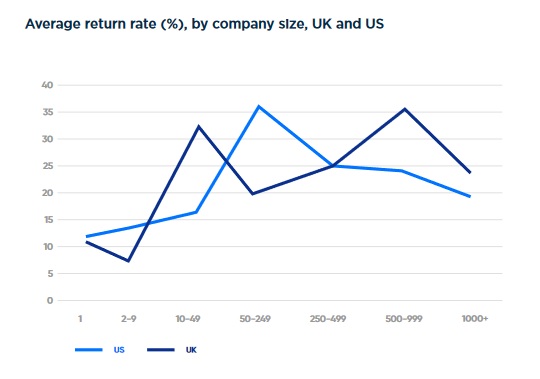
    La logística inversa ha sido durante mucho tiempo el problema hijo de la gestión de la cadena de suministro. Cada vez más, ese niño ha necesitado alguna ayuda seria. Esto se debe a dos factores. La forma en que Internet ha transformado la forma en que compramos y además el corto ciclo de vida de los bienes de consumo. Aunque a la mayoría de los consumidores todavía les gusta comprar en las tiendas de la calle para encontrar los productos que les gustan, al menos el 8% de las ventas son ahora de consumidores que simplemente hacen clic en una imagen para comprar un producto, sabiendo que pueden devolverla si es necesario. En la mayoría de los países, los consumidores tienen el derecho legal de devolver los bienes comprados en Internet. Muchos minoristas ahora incluso ofrecen devoluciones gratuitas de ‘prueba antes de comprar’, pero los procesos para administrar esas devoluciones, conocidos como logística inversa, son mucho más frágiles, costosos y susceptibles a problemas que los procesos logísticos avanzados generalmente bien controlados. Aunque las tasas de retorno varían ampliamente en diferentes verticales, la tasa de retorno promedio se ha calculado en alrededor del 17 al 18%.

    Brightpearl

    Source: Brightpearl

    La logística inversa enfrenta problemas complejos debido a la forma “ad-hoc” en que los consumidores devuelven artículos y vulnerabilidades en los procesos de devolución. Debido a que la logística inversa no se considera un proceso generador de ingresos, a veces no recibe la atención que necesita, pero recientemente se le ha reconocido cada vez más por tener un papel clave en la rentabilidad de la empresa. Tener procesos eficientes para recolectar, revender o reciclar artículos usados ​​puede generar ingresos adicionales y mejorar los resultados de una empresa. Hay otras razones importantes para prestar más atención a la logística inversa. Los consumidores ahora juzgan a las compañías por sus credenciales ecológicas, y los consumidores son conscientes de que muchos dispositivos electrónicos contienen algunos químicos altamente tóxicos. Proporcionar un canal a través del cual los dispositivos antiguos se puedan intercambiar y reciclar de manera confiable es un punto de venta positivo. La eficiencia del proceso de devolución también tiene un impacto significativo en la impresión de los clientes de un negocio.

    Aunque la “revolución de los retornos” afecta a todas las líneas comerciales minoristas, los productos electrónicos de consumo de alto valor son especialmente propensos a problemas en el proceso de devoluciones. Enormes volúmenes de teléfonos, decodificadores, enrutadores, incluso televisores y computadoras portátiles, ahora se devuelven a través de una multitud de canales por una variedad de razones. Los almacenes pueden recibir miles de dichos productos por semana. La mayoría de esos dispositivos aún pueden estar funcionando y pueden revenderse, pero rastrear dichos dispositivos desde los clientes, evaluar su viabilidad para revenderlos, restaurarlos, reempacarlos y luego redistribuirlos, es un desafío sustancial.

    Los problemas comienzan tan pronto como un cliente dice que quiere devolver un dispositivo. Ya sea porque el dispositivo es defectuoso, no apto, incorrecto, no deseado o porque están rescindiendo su contrato, deben notificar que se está devolviendo el dispositivo. Los agentes deben capturar correctamente los detalles de por qué se devuelve el dispositivo y emitir una RMA (Autorización de devolución de mercancía). Esto desencadenará una secuencia compleja de procesos para finalizar los servicios en la red, calcular los ajustes de facturas, preparar los sistemas posteriores para la recepción de los dispositivos devueltos, actualizar los inventarios al recibirlos, administrar la inspección, la renovación y la reventa de esos dispositivos, y potencialmente emitir reemplazos para dispositivos defectuosos, dependiendo de factores como el contrato, la garantía, el estado del dispositivo, el tipo de terminación o la calificación del cliente, los clientes pueden ser responsables de cargos adicionales o elegibles para una compensación.

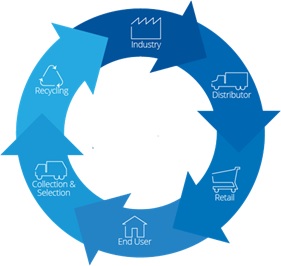
    Reverse Logistics

    Los canales de devolución típicos serían enviar un dispositivo por mensajería, devolverlo a una tienda o un técnico puede devolver la mercancía. Cualquiera que sea el canal, los dispositivos a menudo llegarán sin una indicación clara de a qué cuenta de cliente se refieren. Las devoluciones a las tiendas son particularmente problemáticas con los agentes que no escanean los códigos de barras o registran las devoluciones correctamente. Es posible que los sistemas en la tienda no puedan registrar IMEI, IMSI y / o números de serie, y no hay motivación para que el personal etiquete los dispositivos devueltos con precisión.

    Con tantas piezas móviles, no sorprende que muchos dispositivos se pierdan o se pierdan en el camino, y que los clientes se carguen incorrectamente. Se sabe que los operadores cancelan más de $ 5 + millones en dispositivos perdidos por mes.

    Una solución es implementar controles automatizados que brinden monitoreo en todos los sistemas, tanto en logística directa como inversa, asegurando así que los dispositivos se puedan monitorear desde el pedido inicial en CRM, dentro y fuera de los almacenes, con mensajeros, envíos, socios de renovación, compañías financieras y estado de activación en el aprovisionamiento de servicios de red. Con sistemas de monitoreo que pueden detectar incluso la ubicación física donde se instalan los dispositivos, es posible validar el inventario, facturar a los clientes y socios con precisión, evitar fraudes, recuperar el valor máximo de los dispositivos devueltos y comprender por qué se devuelven los dispositivos.

    Subex proporciona soluciones de ROC Device Assurance a operadores de todo el mundo, ayudando a localizar dispositivos faltantes, conciliar y corregir sistemas de facturación, CRM, aprovisionamiento, distribución e inventario con capacidades de descubrimiento y reconciliación líderes a nivel mundial.

    Grabación de seminario web – Evolución en la mitigación de riesgo de dispositivos

    Mira el seminario web ahora.

  • ¿Cuál es el papel de la redacción de contenido en las historias de telecomunicaciones?

    ¿Cuál es el papel de la redacción de contenido en las historias de telecomunicaciones?

    La digitalización ha cambiado la forma en que las personas viven, trabajan y disfrutan, y esto ha obligado a las organizaciones empresariales a modificar sus modelos de negocio para satisfacer los requisitos de sus consumidores en evolución. La industria de las telecomunicaciones es la más afectada por esta transformación. Las empresas de telecomunicaciones están experimentando con nuevas tecnologías y ofertas de servicios para atraer al cliente exigente. Las últimas tecnologías, aunque de naturaleza compleja, tienen mayor accesibilidad, adaptabilidad y compromiso entre los usuarios. Y una cosa que ha hecho esto posible es la penetración más amplia y profunda de la industria de las telecomunicaciones. Hoy, casi el 67% de la población mundial usa teléfonos móviles. Un total de 3.8 mil millones usan Internet, y el 52% de eso está en la red 4G. Esto ha dado a las personas acceso para consumir diferentes tipos de contenido a través de Internet.

    Cambiando el rumbo

    Las Telcos comenz a ofrecer servicios de valor agregado para contrarrestar la caída de los ingresos de voz y SMS. Pero la penetración de internet ha cambiado el panorama para los operadores. A medida que la industria de las telecomunicaciones pasa de ser solo un proveedor de servicios de comunicación a una organización más compleja que ofrece un conjunto de servicios digitales, el contenido está redactando una historia diferente. Las empresas de telecomunicaciones están ofreciendo contenido a través de su plataforma en colaboración con disruptores como los jugadores OTT. El tiempo que la gente pasa en línea también ha aumentado significativamente, con un usuario promedio que gasta 6.43 horas cada día. En 2019 se descargaron más de 200 mil millones de aplicaciones, con un gasto de $ 120 mil millones en apps y compras relacionadas con las mismas.

    COVID-19 también ha impactado el consumo de contenido, ya que los consumidores están haciendo cambios significativos en la forma en que interactúan con el contenido a través de las plataformas. Esto ha aumentado drásticamente el tiempo que se pasa en línea viendo contenido, especialmente noticias y entretenimiento. De hecho, el informe de Nielsen dice que quedarse en nuestros hogares puede conducir a un aumento de casi el 60% en la cantidad de contenido que vemos en algunos casos y potencialmente más dependiendo de los motivos. La situación actual seguramente tendrá un impacto conductual a largo plazo, y también podemos ver patrones de consumo similares en el futuro. Esta transformación ha llevado a los operadores a considerar el contenido como una oportunidad comercial de alto potencial para ahora y para el futuro.

    El camino de la experimentación

    La nueva historia de éxito se basa en la fortaleza directa del consumidor de la industria de las telecomunicaciones. Las empresas de telecomunicaciones se están aventurando en industrias adyacentes o se están asociando con los proveedores de contenido para explorar nuevas oportunidades y mantener a los clientes enganchados al servicio. T-Mobile adquirió el innovador producto de televisión Layer-3 para tomar la televisión por cable y satelital y revolucionar la forma en que las personas consumen televisión. AT&T adquirió Times Warner Inc. para ofrecer a los clientes una experiencia de entretenimiento móvil, diferenciada y de alta calidad. También lanzaron AT&T TV que se entregará a través de Internet como una alternativa a DirectTV para capturar el punto óptimo entre los usuarios de aplicaciones de transmisión y los usuarios tradicionales de servicios de televisión de pago, como la televisión por cable o por satélite. Solo para darle un vistazo, viene con una caja con Android TV que le permite cambiar entre TV en vivo y más de 5,000 aplicaciones de Google Play Store sin tener que cambiar las entradas en su televisor y acceder a aplicaciones de transmisión como Netflix, YouTube, Pandora o Spotify directamente desde su televisor.

    BT y Amazon firmaron un acuerdo para que la aplicación de video Prime esté disponible a través del decodificador de TV de BT. Telefónica también ha integrado la aplicación de transmisión de video Netflix en sus plataformas de video y televisión en América Latina y Europa.

    Airtel también lanzó Airtel Xstream a partir de USD11 (aprox.) por mes en India para captar el interés del segmento de consumidores más grande. Netflix ha creado un plan solo para dispositivos móviles para India que muestra cómo los parámetros demográficos serán de primordial importancia en su estrategia de expansión. Solo imagine la escala y el alcance del servicio que se ofrece a los consumidores y cuán complejo es administrarlos de manera transparente.

    Con 5G convirtiéndose en la corriente principal, habrá un mayor impulso en la oferta de servicios en términos de velocidad, variedad y experiencia. Los medios y el entretenimiento como el principal benefactor y que permiten formatos y aplicaciones de medios inmersivos como VR / AR y videos de 360 ​​grados, 5G promete un gran potencial para la oferta de contenido de las Telcos.

    Buscando la clave del éxito

    La oportunidad tiene sus propios desafíos para los operadores de telecomunicaciones. Las empresas de telecomunicaciones deben planificar una experiencia perfecta tanto para sus socios como para sus clientes finales. Esto incluye accesibilidad, entrega ininterrumpida de servicios, pagos sin errores y más para obtener el verdadero beneficio de convertirse en un proveedor de servicios digitales. A medida que el ecosistema se vuelve más complejo, tener un proceso de facturación y liquidación de contenido transparente y preciso puede garantizar la rentabilidad. Las empresas de telecomunicaciones deben tener la flexibilidad y la escalabilidad para construir y probar diferentes modelos de calificación y descuento, como penetración mínima, volumen de uso, compromiso de ingresos mínimos, una capacidad de pronóstico que permitirá a los operadores definir los modelos económicos para los servicios en el futuro. Aunque este no es el único desafío que deben superar. La identificación y la incorporación de socios adecuados, la capacidad de diseñar modelos económicos dinámicos y el monitoreo del desempeño de los socios y el mantenimiento de una asociación transparente solo pueden garantizar el éxito del complejo ecosistema.

    La gestión de contenido no es fácil dada la dinámica del servicio. La necesidad de la hora es una solución de facturación de contenido que pueda abordar esta naturaleza dinámica y única al mismo tiempo que permita la confianza y la transparencia en el ecosistema. Esto puede ayudar a los operadores a ofrecer una experiencia de contenido digital verdaderamente lista para usar a sus consumidores.

    Obtenga más información sobre la solución de facturación y liquidación de contenido de Subex.

    Haga clic aquí

  • Is ‘Content’ writing the new success story for Telcos?

    Is ‘Content’ writing the new success story for Telcos?

    Digitalization has changed the way people use to live, work, and enjoy, and this has forced business organizations to alter their business models to suit the requirements of their evolving consumers. The telecom industry is the one most impacted by this transformation. Telcos are experimenting with newer technologies, and service offerings to entice the demanding customer. The latest technologies though complex in nature, have higher accessibility, adaptability, and engagement among users. And one thing that has made this possible is the wider and deeper penetration of the telecom industry. Today almost 67% of the world population use mobile phones. A total of 3.8 billion use the internet, and 52% of that is on the 4G network. This has given people access to consume different types of content through the internet.

    Changing the course

    Telcos started offering value-added services to counter the falling revenue of voice and SMS. But the internet penetration has changed the landscape for the operators. As the telecom industry moves from being just a communication service provider towards a more complex organization that offers a bouquet of digital services, content is drafting a different story at all. Telcos are offering content through their platform in collaboration with disruptors like OTT players. The time people spent online has also significantly increased, with an average user spending 6.43 hours each day. More than 200 billion apps were downloaded in 2019, with a spending of $120 billion on apps and app-related purchases.

    COVID-19 has also impacted the content consumption as consumers are making significant changes to the way they interact with content across platforms.  This has drastically increased the time spent online watching content, especially news & entertainment. In fact, Nielsen’s report says that staying put in our homes can lead to almost a 60% increase in the amount of content we watch in some cases and potentially more depending on the reasons. The current situation will surely have a long term behavioral impact, and we may see similar consumption patterns going forward as well. This transformation has led operators to look content as a high potential business opportunity for now and for the future.

    The Road of Experimentation

    The new success story is built on the telecom industry’s direct to consumer strength. Telcos are venturing into adjacent industries or partnering with the content providers to explore new opportunities and keep the customers hooked to the service. T-Mobile acquired the television innovator Layer-3 to take on cable and satellite TV and revolutionize the way people consume TV. AT&T acquired Times Warner Inc. to offer customers a differentiated, high-quality, mobile-first entertainment experience. They have also launched AT&T TV that will be delivered over the internet as an alternative to the DirectTV to capture the sweet spot between streaming app users and traditional payTV service users such as cable or satellite TV. Just to give you a glimpse, it comes with an Android TV-powered box that lets you switch between live TV and over 5,000 apps from the Google Play Store without having to change inputs on your TV and access streaming apps such as Netflix, YouTube, Pandora, or Spotify right from their TV.

    BT and Amazon signed an agreement to make the Prime video application available through BT’s TV set-top box. Telefónica has also integrated the video streaming app Netflix in its video and TV platforms in Latin America and Europe.


    Airtel has also launched Airtel Xstream starting at USD11 (approx.) per month in India capture the interest of the larger consumer segment. Netflix has come up with a mobile-only plan for India that shows how demographic parameters will be of prime importance in your expansion strategy. Just imagine the scale and scope of service that are being offered to consumers and how complex it is to manage them in a seamless manner.

    With 5G becoming mainstream, there will be further boosted in the service offering in terms of speed, variety, and experience. Media and entertainment as the prominent benefactor and allowing immersive media formats and applications like VR/AR and 360-degree videos, 5G promises a huge potential for Telcos content offering.

    Looking for the Mojo

    The opportunity has its own challenges for the telecom operators. Telcos need to plan a seamless experience for both their partners and end customers. This includes accessibility, uninterrupted service delivery, error-free payments and more to realize the true benefit of becoming a digital service provider. As the ecosystem becomes more complex, having a transparent and accurate content billing and settlement process  can ensure profitability. Telcos should have the flexibility and scalability to build and test different rating and discounting models like minimum penetration, usage volume, minimum revenue commitment, A forecasting capability that will allow operators define the economic models for the services in future will go a long way.  Although this is not the only challenge that they need to overcome. Identifying and onboarding right partners, capability to design dynamic economic models and monitoring partner performance and maintaining a transparent partnership can only ensure the success of the complex ecosystem.

    Content settlement is not easy given the dynamicity of the service.  A content billing solution that can address this dynamic and unique nature simultaneously enable trust and transparency in the ecosystem is the need of the hour. This can help operators to offer a truly out of the box digital content experience to its consumers.

    Discover more on Content Billing and Settlement Solution of Subex.

    Click here!

  • Telecom Partner Assurance through Converged Partner Management

    Telecom Partner Assurance through Converged Partner Management

    The telecommunication industry has undergone a tremendous amount of change. From offering basic communication services to people, it has now an array of digital services along with basic voice and SMS service. The B2C or retail segment has seen a surge in telecom partnerships from both telecom and non-telecom domain as the data consumption is increasing multifold. There are content aggregators, content producers, partners from media & entertainment, fitness industry, financial, healthcare and many more. The B2B partnerships are also growing as 5G takes the center stage in the developed regions. Experts estimate around 31 billion IoT connected devices by the end of 2020. There will be more enterprise partners from other industry verticals.

    As the number of partners for a telecom operator increases, it becomes more crucial to keep transparency across the partner ecosystem. Doing timely billings and settlements become a difficult task with so many partners to manage. And ensuring an error-free process becomes more challenging given the variety of partners from multi-industry verticals.

    What is the Need of the Hour?

    For a healthy partnership, the transactions must be accurately managed, rated, and settled. Delays in the settlement process are one of the biggest concerns for Telcos and its partners. Wrong invoices and mismatch of information can lead to disputes, blocked revenue, and inefficient partnerships. Also, manually managing invoices from so many partners to identify discrepancies, raising disputes, and concluding the same can be very heavy on the OPEX.

    Partner Assurance for Successful Partnerships

    Partner Assurance allows telecom operators to have a transparent partner ecosystem with efficient billing and settlements. Partner Assurance feature of Subex ROC Partner Management solution offers a complete automated process to ingest invoices, reconciling, highlighting discrepancies and automatically raise disputes. It has a template-based ingestion process of invoices directly from emails or FTP locations. You can configure threshold values for Rate and Volume discrepancies hence automatically convert qualified discrepancies to disputes.

    What benefits it can deliver

    • Zero-touch invoice reconciliation to identify and manage billing disputes.
    • Allow wholesale fraud mitigation such as shortstops and smart FAS using near real-time communication and gather evidence to have a transparent relationship.
    • Ensure transparency and trust through reports, alerts & notification
    • Long term successful partnerships

    How the Power of 5G will Redefine Partner Management

    Read Blog

  • Estado de la red y un agradecimiento a los héroes de la red

    Estado de la red y un agradecimiento a los héroes de la red

    En mi casa se exhibe un teléfono de pared Kellogg de 1926. No puedo usarlo para hacer una llamada, pero se ve muy bien. Está hecho de roble bellamente acabado con un auricular de vela y una pequeña plataforma para tomar notas. Todavía tiene los componentes internos originales, que incluyen un magneto y baterías de celda seca. El teléfono antiguo me conecta con un orgulloso linaje de ingenieros, técnicos, personal de campo, personal de servicio al cliente y profesionales de redes (entre muchos otros) que han construido esta industria. He trabajado en telecomunicaciones durante toda mi carrera y me ha impresionado la respuesta de los operadores de todo el mundo a la situación actual.

    Si bien muchas empresas de servicios han despedido trabajadores y están luchando por sobrevivir, otros sectores están teniendo mejores resultados. Los servicios de transmisión como Netflix y los minoristas en línea como Amazon y Walmart están experimentando un aumento de la demanda. Todos estamos familiarizados con el ascenso de Zoom de un proveedor de videoconferencia empresarial a una sensación de redes sociales.

    ¿Qué tienen en común cada uno de estos servicios en línea? Dependen, por supuesto, de servicios de comunicaciones ubicuos, confiables y relativamente baratos. Nuestros dispositivos digitales nos conectan con las personas que nos importan, nos mantienen entretenidos y permiten que muchos continúen su educación. Los servicios de comunicaciones han permitido lo nuevo “normal”: lavar la ropa, vigilar a los niños, acariciar a una mascota, terminar una comida … ¡todo mientras se une a una llamada de conferencia! Quizás nunca nos hemos apoyado tanto en las redes de comunicaciones globales. Y por extensión, nunca hemos sido tan dependientes de las personas que construyen y operan estas redes.

    Sin embargo, tanto las redes como los proveedores de servicios de comunicación (CSP) están bajo estrés. Las redes centrales son bastante resistentes y tienden a ser diseñadas de manera robusta con la capacidad de acomodar sobretensiones sostenidas en la demanda. Las redes de frontera, por otro lado, particularmente donde hay una planta de cobre y coaxial heredados, a menudo se están ejecutando sobrecargadas. Sin duda, esto está llevando a la frustración entre muchos como sus flujos de paquetes de Tiger King. Las redes inalámbricas han visto cambios en los patrones de uso y la localidad del suscriptor, aumentos de dos dígitos en el tráfico peak y cierta erosión en las velocidades promedio de datos en muchas regiones. En términos generales, los operadores móviles han estado manejando la carga de trabajo sin impactos significativos en la experiencia del cliente. Esto es un testimonio no solo de una buena planificación, sino también del trabajo continuo de los profesionales de la red que monitorean y optimizan continuamente el rendimiento de la red.

    Desde el punto de vista comercial para los CSP, ha sido una mezcla. La demanda de servicios al consumidor se mantiene relativamente estable. Sin embargo, el clima económico general conducirá a una erosión de los ingresos por servicios empresariales. Antes de la crisis, Analysys Mason proyectaba un modesto aumento de 0.7% en los ingresos de telecomunicaciones. Su pronóstico revisado predice una disminución del 3.4% en los mercados desarrollados en 2020. A pesar de esto, los operadores están agregando trabajadores a sus listas para manejar los servicios de primera línea y están aumentando los salarios de los trabajadores esenciales en algunas situaciones. Los CSP se están intensificando en muchos casos para ofrecer planes de pago diferido, mayores límites de datos y contribuciones a diversas causas benéficas.

    Como se cita en el Financial Times, Hans Vestberg, el CEO de Verizon, dijo, “el personal que ha seguido trabajando en el campo para apoyar a los clientes, ya sean ingenieros o trabajadores de tiendas, merece crédito. Esos son los héroes.

    No podría estar más de acuerdo. Ciertamente, todos debemos una gran dosis de gratitud a los trabajadores de primera línea que están dotando de personal a las instalaciones de atención médica, entregando comestibles y cuidando la seguridad pública (entre tantos otros servicios esenciales).

    Al mismo tiempo, los trabajadores de primera línea en la industria de las comunicaciones continúan siendo enviados a las ubicaciones de los clientes (¡usando PPE!), Ingresan a las bocas de acceso, suben a las torres y atienden a los pocos puntos de venta que están abiertos. Detrás de ellos hay profesionales de la red que están dotando de personal a los NOC, data centers y centros de comando para proporcionar soporte a las operaciones críticas. Son tan esenciales que los CSP en India están haciendo arreglos de vivienda temporal para ellos cerca de las instalaciones de telecomunicaciones. Sin duda, tales adaptaciones se están haciendo en todo el mundo, con los trabajadores de comunicaciones a la altura del desafío de mantener en funcionamiento las redes globales.

    ¡Así que aquí hay un agradecimiento a los Heroes de la Red!

    Para comprender los desafíos que enfrentan los CSP para ofrecer contenido de video de calidad a través de dispositivos móviles

    Leer Blog

  • State of the Network and a Shout-Out to Network Heroes

    State of the Network and a Shout-Out to Network Heroes

    On display in my house is a 1926 Kellogg wall phone.  I can’t use it to place a call, but it looks great.  It’s crafted from beautifully finished oak with a candlestick earpiece and a small platform for taking notes.  It still has the original internal components, including a magneto and dry cell batteries.  The antique phone connects me to a proud lineage of engineers, technicians, field personnel, customer service staff, and network professionals (among many others) who have built this industry.  I’ve worked in telecom my entire career and have been awed by the response from operators around the globe to the current situation.

    While so many service businesses have shed workers and are fighting for survival, other sectors are faring better.  Streaming services like Netflix and online retailers like Amazon and Walmart are seeing demand surge.  We’re all familiar with the ascension of Zoom from an enterprise video-conferencing provider to a social media sensation.

    What do each of these online services have in common?  They are dependent, of course, on ubiquitous, reliable, and relatively cheap communications services. Our digital devices connect us to the people we care about, summon food, keep us entertained and allow many to continue their education.   Communications services have enabled the new “normal”: Do laundry, watch children, stroke a pet, finish a meal… all while joining a conference call!  We’ve perhaps never leaned so heavily on global communications networks.  And by extension, we’ve never been so dependent on the people building and operating these networks.

    Yet both networks and communication service providers (CSPs) are under stress.  Core networks are quite resilient and tend to be robustly engineered with the capacity to accommodate sustained surges in demand.  Edge networks, on the other hand, particularly where there is a legacy copper plant and coax, are often running hot.  No doubt, this is leading to frustration among many as their streams of Tiger King drop packets.  Wireless networks have seen changes in usage patterns and subscriber locality, double-digit increases in peak traffic, and some erosion in average data speeds in many regions.  Broadly speaking, mobile operators have been handling the workload without significant impacts on customer experience.  This is a testament not just to good planning, but to the ongoing work of network professionals who are monitoring and continually optimizing network performance.

    On the business side for CSPs, it’s been a mixed bag.  Demand for consumer services is holding relatively steady.  However, the overall economic climate will lead to an erosion of business services revenue.  Before the crisis, Analysys Mason was projecting a modest 0.7% increase in telecoms revenue.  Their revised forecast predicts a 3.4% decline across developed markets in 2020.  Despite this, operators are adding workers to their rolls to handle frontline services and are increasing salaries for essential workers in some situations. CSPs are stepping up in many cases to offer deferred payment plans, increased data caps, and contributions to various charitable causes.

    As quoted in the Financial Times, Hans Vestberg, the CEO of Verizon, said, “staff who have continued to work in the field to support customers — be they engineers or shopworkers — deserve credit. Those are the heroes.”

    I could not agree more.  Certainly, we all owe a big dose of gratitude to the frontline workers who are staffing health care facilities, delivering groceries, and looking after public safety (among so many other essential services).

    At the same time, frontline workers in the communications industry continue to be dispatched to customer locations (wearing PPE!), enter manholes, climb towers, and staff the few retail outlets that are open.  Behind them are network professionals who are staffing NOCs, data centers, and war rooms to provide critical operations support.  They are so essential that CSPs in India are making temporary living arrangements for them near telco facilities. No doubt, such accommodations are being made worldwide, with communications workers rising to the challenge of keeping global networks running.

    So here’s a shout-out to the Network Heroes!

    To understand the challenges faced by CSPs in offering quality video content over mobile devices

    Read Blog