Author: Harsha Burly

  • Telecom operators are well poised to aid in fight against COVID-19

    Telecom operators are well poised to aid in fight against COVID-19

    These are challenging times for the world as the COVID-19 pandemic has claimed 350,000+ lives and infected more than 6 million people. There is a significant amount of economic loss as the majority of the business activities were stopped. Although government authorities have implemented various measures such as enforcing lockdown, travel restrictions, and more. Despite all the reassuring measures, there are undeniable challenges in enforcing these restrictions at scale, especially in densely populated zones. It negates the purpose of these measures and increase the risk of a rise in infection. Watch the video to know how operators can support the government in their fight against COVID-19.

    Register for our on-demand webinar to know what operators can do to overcome the uncertainties unfolded by COVID-19 to enhance customer experience and profitability.

    Register webinar

    This article was originally Published at Analytics India Magazine.

  • ¿Cómo afecta la canibalización del producto a su negocio de telecomunicaciones?

    ¿Cómo afecta la canibalización del producto a su negocio de telecomunicaciones?

    Maximizar el valor de por vida de un cliente y analizar su rentabilidad es muy importante y esencial para el negocio de telecomunicaciones en crecimiento. Según un informe de McKinsey, las Telcos serán testigo del crecimiento de mil millones de clientes adicionales de nivel medio, principalmente en mercados emergentes, para el año 2025. Para aprovechar esta creciente base de clientes, las Telcos buscan constantemente nuevas formas de interactuar y conectarse con su audiencia. La forma más efectiva de hacerlo es mediante el lanzamiento de productos frescos y emocionantes para satisfacer las cambiantes expectativas de los clientes. Si bien esta estrategia es altamente efectiva, sin embargo, puede conducir a la canibalización del producto, donde el volumen de ventas, los ingresos o la participación de mercado de un producto se reducen como resultado de la introducción de un nuevo producto por parte del mismo proveedor. Se puede desear la canibalización cuando queremos que el cliente cambie a un producto con ARPU más alto que ofrezca un mejor servicio y no deseado cuando el cliente cambie a un producto que genera relativamente un ARPU bajo. Subex ROC Insights ha estado a la vanguardia para ayudar a los operadores a analizar los datos de los clientes y el comportamiento de uso para obtener información que se traduzca en mayores ganancias con la canibalización deseada. Aquí queremos discutir cómo minimizar el impacto de la canibalización no deseada y compartir algunos casos de uso de la vida real también.

    Impacto de la canibalización de productos

    El mayor impacto de la canibalización de productos es la pérdida de ARPU existente y los ingresos respectivos, con los clientes actuales que se mueven a un plan de bajo margen. Este resultado es debido al lanzamiento de múltiples productos tan cerca uno del otro que se comen la cuota de mercado del otro. Por ejemplo, una empresa de telecomunicaciones líder en India mantuvo los precios cercanos y entrelazados con una pequeña diferencia entre los planes para las llamadas locales a sus propios teléfonos de red. Si bien la compañía de telecomunicaciones usó sus planes de precios para aumentar estratégicamente su participación en el mercado al darles a los clientes incentivos para hablar con otros usuarios de la misma compañía de telecomunicaciones, esto, sin embargo, resultó en la canibalización del producto.

    Análisis de productos: una medida vital para prevenir la canibalización

    El impacto de la canibalización del producto puede minimizarse mediante el análisis de productos. El análisis de productos ayuda a las empresas de telecomunicaciones a obtener recomendaciones sobre cómo dirigirse a los clientes. El análisis de productos ayuda a tomar la decisión correcta con respecto a los productos que se lanzarán analizando el rendimiento del producto y optimizando los productos según los requisitos del cliente. Les ayuda a ser proactivos en términos de:

    • Estimación de la contribución de ingresos por producto: la mayoría de los ingresos de una empresa de telecomunicaciones se deriva del uso de los clientes. La analítica del producto ayuda a las Telcos a determinar varios factores, como el volumen total de datos, minutos y SMS transmitidos a través de la red y el contenido consumido en múltiples canales, como varias plataformas OTT. Dado que los operadores pueden aprovechar los análisis anteriores, podrán crear productos únicos que cautiven a los nuevos clientes.
    • Comprender el tipo de cliente que consume cada producto: la analítica del producto ayuda a las empresas de telecomunicaciones a comprender a los clientes en términos de teléfonos, tiempo de uso, la proporción de voz y datos, comportamientos de uso de SMS y tipo de contenido consumido. Esto le permitirá a las Telcos la ventaja de tener una imagen clara al desarrollar nuevos catálogos de productos. Los perfiles de los clientes y los conocimientos sobre su patrón de uso pueden ser útiles para convertirse en grandes contribuyentes. Esto puede ser aplicable para estudiantes que regresan a la universidad después de un descanso, o personas que viajan por vacaciones. Estas actividades conducen a un mayor uso, por lo tanto, si les ofrece productos relevantes, está creando una canibalización deseada que ayuda a un cliente satisfecho con un ARPU más alto. En uno de los proyectos, el equipo de ROC Insights analizó el comportamiento de uso del cliente e identificó una mayor actividad nocturna para algunos usuarios. Esta información ayudó al operador a encontrar un enfoque hiperpersonalizado para apuntar a estos clientes con paquetes nocturnos que resultaron y generaron mayores ingresos y un ancho de banda de red optimizado.
    • Mapeo del comportamiento de uso de los clientes: la analítica del producto ayuda a las Telcos a rastrear la conducta de los clientes. Obtienen información profunda sobre qué ofertas los atraerán, por qué eligieron una red, cuáles son sus comportamientos de uso de datos, voz y contenido OTT, etc. Un ejemplo de esto sería la campaña de “recuperación” que ejecutamos para un cliente después de analizar el comportamiento de éste. Vimos una caída periódica en el uso en múltiples regiones con mayor inactividad y abandono. Esto se contribuyó principalmente debido a que los estudiantes universitarios iban de vacaciones semestrales. Y después de las vacaciones, no todos los clientes estarían activos, algunos de ellos se mudarían a la red de la competencia. El operador lanzó paquetes personalizados que resultaron en una mayor actividad, márgenes y menor rotación.
    • Percibir la huella de la red de los clientes: al registrar y analizar los patrones de uso de la red por hora del día, por cliente y con un análisis preciso de los datos, los operadores pueden formar una buena imagen de cómo los diferentes tipos de clientes contribuyen al valor económico. Los nuevos productos se pueden diseñar en consecuencia.
    • Medición del impacto de la canibalización luego de nuevos lanzamientos y campañas: es vital medir de manera proactiva el impacto de la canibalización, ya que esto ayudará a las empresas de telecomunicaciones a determinar la rentabilidad y el ROI del nuevo producto. La ayuda de Product Analytics determina la cantidad de nuevos clientes que la red ha adquirido y cuántos de ellos cambiarán de productos existentes, lo que los equipará para tomar medidas correctivas para minimizar el efecto de la canibalización.
    • Segmentación de clientes en términos de contribución y huella de red: análisis precisos ayudarán a Telcos a determinar qué clientes vale la pena buscar e invertir y en qué productos pueden ayudarlos a lograr este objetivo. Ayuda a evitar la adquisición de clientes de bajo valor a un alto costo, así como a administrar selectivamente a sus clientes actuales para obtener el mejor rendimiento financiero.

    ¿Cómo controlar el efecto de canibalización?

    Para minimizar el efecto de canibalización, los Telcos deben asegurarse de que los productos estén diseñados perfectamente. Cada producto debe estar claramente posicionado para el segmento de usuarios al que está dirigido, con una diferenciación muy clara en términos de beneficios y con puntos de precio correctos para separar los segmentos objetivo considerando la necesidad del cliente y la capacidad de pago. Si nos dirigimos a un cliente de alto uso de datos con un mejor paquete de voz y SMS, es una pérdida de ingresos, esfuerzos y las posibilidades de abandono aumentan significativamente. Con menos planes de precios bien diferenciados, las posibilidades de que los planes se canibalicen entre sí son mínimas, ya que cada plan apunta a un segmento diferente.

    La canibalización de productos es un riesgo inevitable al que se enfrentan las empresas de telecomunicaciones, pero con medidas proactivas regulares y extensas, las compañías de telecomunicaciones pueden anticipar tales situaciones de canibalización y contener tales ocurrencias.

    Optimice sus productos de telecomunicaciones como Bundling, Recomendación de producto, Análisis de sensibilidad, Halo de producto y Efecto de canibalización para mejorar ARPU.

    Haga clic aquí

  • Is Product Cannibalization Eating into Telcos’ Revenue

    Is Product Cannibalization Eating into Telcos’ Revenue

    Maximizing a customer’s lifetime value and analyzing their profitability is highly important and essential to the growing telecom business. According to a report by McKinsey, Telcos will witness the growth of an additional billion middle-tier customers, mainly in emerging markets, by the year 2025. To tap into this growing customer base, Telcos are constantly seeking new ways to engage and connect with their audience. The most effective way to do so is by launching fresh and exciting products to cater to changing customer expectations. While this strategy is highly effective, it can, however, lead to product cannibalization—where the sales volume, revenue, or market share of one product is reduced as a result of the introduction of a new product by the same provider. Cannibalization can be desired when we want the customer to switch to a higher ARPU product that delivers better service and undesired when the customer switch to a product that relatively generates low ARPU. Here we will talk about the undesired cannibalization.

    Impact of Product Cannibalization

    The biggest impact of product cannibalization is the loss of existing ARPU and respective revenues, with current customers moving to a low margin plan. It results due to the launching of multiple products so close to each other that they eat into each other’s market share. For example, a leading telco in India kept the pricing close and intertwined with a little difference across the plans for local calls to its own network phones. While the telco used its pricing plans to strategically increase its market share by giving customers incentives to talk to other users of the same telco company, this, however, resulted in product cannibalization.

    Product Analytics—a Vital Measure to Prevent Cannibalization 

    Product cannibalization impact can be minimized by wielding product analytics. Product analytics help telcos gain recommendations on how to target customers. Product analytics helps make the right decision regarding the products to be launched by analyzing product performance and optimizing products based on customer requirements. It helps them to be proactive in terms of:

    • Estimating the revenue contribution per product: The majority of revenue for a telco is derived from customers’ usage. Product analytics helps telcos determine various factors such as the total volume of data, minutes, and SMS transmitted over the network and content consumed over multiple channels like various OTT platforms. With operators being able to tap into the above analytics, they will be able to create unique products that captivate new customers.
    • Understanding the type of customer consuming each product: Product analytics helps telcos understand customers in terms of handsets, time of usage, the proportion of voice, and data, SMS usage behaviors and type of content consumed. This will enable Telcos the advantage of having a clear picture when developing new product catalogs.
    • Mapping the usage behavior of customers: Product analytics help Telcos track the psyche of the customers. They gain deep insights into what offers will attract them, why they chose a particular network, what their data, voice and OTT content usage behaviors are, etc.
    • Perceiving network footprint of customers: By recording and analyzing network usage patterns by time of day and by the customer and with accurate analysis of the data, operators can form a good picture of how different types of customers contribute to the economic value. New products can then be designed accordingly.
    • Measuring the impact of cannibalization post new launches and campaigns: It is vital to proactively measure the impact of cannibalization as this will help telcos determine the profitability and ROI of the new product.Product Analytics help determines the number of new customers the network has acquired and how many of them will switch from existing products – which will equip them to take corrective measures to minimize the effect of cannibalization.
    • Segmenting customers in terms of contribution and network footprint:Accurate analytics will help Telcos determine which customers are worth pursuing and investing in and what products can help them achieve this goal. It helps in avoiding the acquisition of low-value customers at a high cost, as well as selectively managing their current customers for the best financial yield.

    How to Control the Cannibalization Effect?

    Product cannibalization can be managed by understanding products that offer unique features, meets customer needs, reduces the customer’s total costs, creates a high usage value product and is innovative in being the first of its kind in the market.

    To minimize the cannibalization effect, Telcos need to make sure the products are designed perfectly. Each product should be clearly positioned for the segment of users it is aimed at, with very clear differentiation in terms benefits, and with right price points to separate target segments considering customer need and ability to pay. With fewer well-differentiated pricing plans, the chances of plans cannibalizing each other are minimal as each plan targets a different segment.

    Product cannibalization is an inevitable risk that Telcos face, but with regular and extensive proactive measures, telecommunication companies can anticipate such cannibalization situations and contain such occurrences.

    Optimize your telecom products such as Bundling, Product Recommendation, Sensitivity Analysis, Product Halo and Cannibalization Effect to improve ARPU.

    Download Whitepaper

  • ¿Está midiendo los KPIs de negocios en los Sitios Celulares? – Subex Limited

    ¿Está midiendo los KPIs de negocios en los Sitios Celulares? – Subex Limited

    Impulsados ​​por las posibilidades ilimitadas de la tecnología celular inalámbrica, las empresas de telecomunicaciones están en  un punto de inflexión, apostando fuerte por los datos. Sin embargo, las nubes oscuras pasan sobre la excelencia operativa amenazando con arruinar las oportunidades. Los ingresos y las dimensiones técnicas son a menudo los únicos KPIs utilizados por las empresas de telecomunicaciones para las métricas de rendimiento. ARPU (Average revenue per user/ Ingreso promedio por usuario), churn, adquisición y crecimiento de suscriptores, y múltiples KPIs de NOC relacionados con la calidad de la red, son métricas confiables para la evaluación del desempeño. Sin embargo, a menudo se ignoran los KPIs más importantes del sitio celular desde un punto de vista comercial, que ofrecen mayor conocimiento para lograr la excelencia operativa

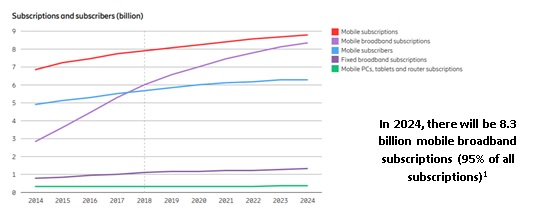
    Los sitios celulares, virtualmente, el último punto de contacto con los usuarios finales, ofrecen a las empresas de telecomunicaciones una vista de los suscriptores. El Informe de movilidad de Ericsson revela que los servicios de banda ancha móvil [1] representarán el 95% de las suscripciones móviles para el 2024. Curiosamente, las métricas de uso de los sitios celulares revelan una clara distinción y no son las mismas entre todos los usuarios. Por ejemplo, los suscriptores en un área industrial son únicos, con más usuarios de teléfonos inteligentes y teléfonos 4G. Con el uso rutinario de la transmisión de video y las llamadas de conferencia en los teléfonos inteligentes, la cantidad de datos utilizados por los suscriptores en dichos sitios celulares es mayor. Por el contrario, el ADN de un sitio celular rural se caracterizará por teléfonos con funciones / teléfonos básicos, con más SMS y llamadas de voz. Por extensión de las estadísticas del sitio celular, el tráfico y el uso también serán diferentes: en las áreas industriales, el tráfico alcanzará su punto máximo durante las horas de trabajo, mientras que, en las áreas residenciales, el aumento en el tráfico es en las noches.

    Forrester-report-spanishEl informe Forrester, Drive Revenue with Great Customer Experience del 2017, señala un área que requiere corrección de políticas para que las empresas de telecomunicaciones logren una mejor experiencia del cliente. El informe destaca que las empresas de telecomunicaciones necesitan mejorar las malas experiencias de los suscriptores en lugar de trabajar en mejorar las experiencias que ya son satisfactorias / buenas [2]. Por ejemplo, un operador en Kenia, utilizó Subex Cell Site Intelligence  para identificar sitios potenciales para actualizar los sitios 4G. La compañía tenía la intención de actualizar una cuarta parte de sus torres de telefonía celular, pero tenía pocas directrices para elegir sitios que ofrecieran el mejor retorno de la inversión y la satisfacción del cliente. Cell Site Intelligence analizó la densidad del teléfono 4G e identificó los sitios que tenían el mayor potencial con la garantía de un alto ROI. Las decisiones informadas ayudaron a la compañía de telecomunicaciones a implementar actualizaciones con los mejores resultados.
    Las empresas de telecomunicaciones lidian con interrupciones en los sitios celulares de forma rutinaria, enfrentan problemas en múltiples ubicaciones simultáneamente, estirando los recursos. El mantenimiento de la red y los problemas de resolución ya no pueden ser binarios, existe una clara necesidad de priorizar la resolución del problema. Las redes utilizadas para aplicaciones críticas y sitios celulares que generan mayores ingresos necesitan una resolución de problemas más rápida. Analytics ayuda a las empresas de telecomunicaciones a identificar ubicaciones donde la red necesita ser restaurada con prioridad.

    La Analítica Avanzada ayuda a identificar con precisión los sitios celulares de los hogares y el trabajo de los usuarios. Esto les da a las empresas de telecomunicaciones la capacidad de mapear clientes de alto valor y ubicaciones geográficas, ayudando a las empresas de telecomunicaciones a trabajar para obtener ganancias y flujos de ingresos adicionales. Si bien esta opción actualmente también está disponible en los navegadores, los análisis dependen del inicio de sesión del usuario. En el caso del análisis de sitios celulares, no se requiere el inicio de sesión del usuario, y los teléfonos móviles se asignan con precisión a través de varios parámetros, para crear un mapa destacado.

    A pesar de los avances espectaculares en tecnología y estándares inalámbricos, las empresas de telecomunicaciones carecen de análisis integrados y KPIs. Las operaciones en silos, donde los datos y los análisis nunca están correlacionados, no logran crear el panorama general o la capacidad de pensamiento crítico. La medición de los KPIs del sitio celular unifica los datos de fuentes dispares, ofreciendo a los equipos información que permite la excelencia operativa.

    Las empresas de telecomunicaciones deben enfrentar múltiples desafíos para hacerse ricos en una era de oportunidades. La necesidad de agregar continuamente capacidad, actualizar la infraestructura, la tecnología y manejar una base de clientes en expansión conlleva desafíos adicionales que evolucionan con los requisitos. Los KPI del sitio celular se están convirtiendo lentamente en una dimensión no negociable para detener el abandono, aumentar la experiencia del cliente y ayudar a las empresas de telecomunicaciones a lograr el mejor ROI y la ventaja competitiva.

    Para saber más sobre nuestra solución, programe una reunión con uno de nuestros expertos.

    Programe ahora!

  • Are You Measuring Business KPIs Across Cell Sites?

    Are You Measuring Business KPIs Across Cell Sites?

    Spurred by the limitless possibilities of wireless cellular technology, telcos are at inflection point, betting big on data. However, dark clouds loom over operational excellence threatening to spoil the opportunities. Revenues, technical dimensions are often the only KPIs used by telcos for performance metrics. ARPU, churn, subscriber acquisition & growth, and multiple KPIs from NOC pertaining to network quality are metrics relied upon for performance evaluation. However, the all-important cell site KPIs from a business point of view that offer hyper-awareness for achieving operational excellence are often ignored.

    Cell sites, virtual final touchpoints of end users, offer telcos a ringside view of subscribers. Ericsson’s Mobility Report reveals that mobile broadband services[1] will account for 95% of mobile subscriptions by 2024. . Interestingly, usage metrics from cell sites reveal a clear distinction, and are not the same among all users. For instance, subscribers in an industrial area are unique, with more smartphone users and 4G handsets. With routine use of video streaming and conference calls on smartphones, the amount of data used by subscribers in such cell sites are higher. Contrastingly, the DNA of a rural cell site will be characterized by feature phones/basic handsets, with more SMS and voice calls. By extension of cell site statistics, traffic and usage will also differ—in industrial areas, traffic will peak during working hours, whereas in residential areas, the spike in traffic is in the nights.

    The Forrester report, Drive Revenue with Great Customer Experience, 2017, pinpoints an area that requires policy correction for telcos to achieve better customer experience. The report highlights that telcos need to improve the worst experiences of subscribers rather than working on enhancing experiences that are already satisfactory/good[2]. For instance, an operator in Kenya, roped in Subex for Cell Site Intelligence[3] to identify potential sites for upgrading to 4G sites. The company intended to upgrade one fourth of its cell towers, but had little direction on choosing sites that would offer the best ROI and customer satisfaction. Cell Site Intelligence analyzed the 4G handset density and identified sites that had the highest potential with assurance of high ROI. The informed decisions helped the telco to roll out upgrades with the best outcomes.

    Telcos grapple with outages in cell sites routinely, facing issues in multiple locations simultaneously, stretching resources. Network maintenance and resolution issues can no more be binary, there is a clear need to prioritize problem resolution. Networks used for critical applications and cell sites that generate higher revenue need faster problem resolution. Analytics helps telcos identify locations where network needs to be restored on priority.

    Advanced analytics helps identify home and work cell sites of users accurately. This gives telcos with the ability to map high-value customers and geographical locations, helping telcos work towards revenue gains and additional revenue streams. While this option is presently also available in browsers, analytics depend on user login. In the case of cell sites analysis, user login is not required, and mobile handsets are mapped accurately across various parameters, to create a heat map.

    Despite spectacular advances in technology and wireless standards, telcos lack integrated analytics and KPIs. The siloed operations, where data and analytics are never correlated fail to create the big picture or the critical thinking ability. The measurement of cell site KPIs unifies data from disparate sources, offering teams information that enables operational excellence.

    Telcos need to contend with multiple challenges to strike it rich in an era of opportunities. The need to continually add capacity, upgrade infrastructure, technology, and handle an expanding customer base comes with additional challenges, that evolve with requirements. Cell site KPIs are slowly turning into a non-negotiable dimension to arrest churn, boost customer experience and help telcos achieve the best ROI and the competitive edge.

    To know more about our solution, schedule a meeting with one of our expert.

    Schedule now!

  • Why Analytics Alone is Insufficient for Telcos Seeking Increase in Customer Experience and Profitability?

    Why Analytics Alone is Insufficient for Telcos Seeking Increase in Customer Experience and Profitability?

    The past decade has seen the telecom industry embark upon a momentous growth path. The number of unique mobile subscriptions worldwide has almost doubled from 2.6 billion in 2009[1] to 5.1 billion[2] in 2019, thanks to the quick evolution from 2G to 3G, 4G, and now 5G, along with innovations in IoT, M2M, Artificial Intelligence (AI) and cloud computing. While this growth phase has led to the industry accumulating humongous amounts of data, a majority of them have not reaped the benefits of monetizing the data at their disposal—similar to how Facebook, Google or the many others are successfully doing.

    Data monetization is vital for Telcos to stay ahead

    Telcos are advantaged by a unique position in the ICT value chain. For example, a simple event such as planning a holiday today involves using your smartphone for a variety of tasks—from booking flights and hotels to researching the best places to explore. All of these result in the generation of varied datasets, to which telcos have access to. However, a complicated ecosystem of challenges is preventing telcos from successful internal and external data monetization.

    As Telcos continue to face increasing pressure in their top-line business, internal data monetization can bring them a strategic advantage in solving business problems. From the understanding of revenue trends such as the accurate pinpointing of developments in the voice or data business to gaining deep insight into customer likes and dislikes, data analytics can address several business issues. Similarly, external monetization opens opportunities for telcos in a range of industry verticals.

    However, to stay relevant in the market, telcos will have to stay ahead on the trends, which can lead them to opportunities. Messaging (SMS), which was an exclusive offering of telcos has now been taken up by players like WhatsApp and Facebook Messenger. Employing data analytics to analyze and predict trends is the only way to stay ahead.

    Why analytics alone won’t help?

    Several leading telcos have already realized the power that lies in data analytics as a key strategic pillar and continue to invest in advanced data technologies. However, the ROI for data analytics investments by telcos continues to stand unproven, especially on an incremental basis. The reason: Most telcos view data analytics as a technology asset, leaving open a wide gap between technology and business goals. This severe lack of coordination has resulted in analytics and data science being viewed as a technology solution rather than a business problem, causing business goals to suffer.

    The answer lies in domain-driven analytics

    For telcos seeking to stay competitive, domain-driven analytics is the answer. Spearheaded by deep domain knowledge and wide industry exposure a domain-driven analytics solution understands the requirements of telcos operating in specific regions or market conditions. Through the analysis of existing data sets, domain-driven analytics can transform current stats into future possibilities.

    Take the successful use case of how a telco in a developing market used domain-driven analytics to increase revenue. The telco was using its existing business model of acquiring more customers to increase revenue. Using domain-driven analysis, however, it was found that the current ‘active base’ which was 8.5 days needed to be improved in order to increase revenue. The telco used the recommendations and conducted an integrated campaign which led to the increase of the ‘active base’ from 8.5 to 9.5 days and a boost in revenue by 25%.

    With 25+ years of experience in driving data-driven business transformation for global telcos, Subex has garnered a lot of experience in applying domain-driven analytics for telecom.

    [1] https://www.budde.com.au/Research/Global-Telecoms-The-Big-Picture-2019-Key-Industry-Statistics

    [2] https://www.gsmaintelligence.com/


    To find out more about how domain-driven analytics can impact your ROI, Increase Customer Experience and Profitability.

    Download the webinar recording now!