Category: Business Assurance

  • From Leakage Detection to Strategic Insights: The Power of Business Assurance in Telecom

    From Leakage Detection to Strategic Insights: The Power of Business Assurance in Telecom

    Introduction

    In the rapidly evolving telecommunications industry, the traditional practice of revenue assurance is undergoing a significant transformation. With declining average revenue per user (ARPU) and the need for real-time insights, telecommunication service providers are embracing a broader approach known as “Business Assurance.” This blog post explores the changing landscape of assurance practices and highlights the four key areas that business assurance encompasses.

    The State of Assurance ‘As-is’

    For telecommunication service providers, revenue assurance has long been a fundamental practice for profitable business operations. Dating back to the early 2000s during the age of 2G and CDMA, revenue assurance practices focused on validating services against billing. While technology has evolved from 2G to 3G and 4G, the mode of operations has remained relatively unchanged, with an increase in the number of source systems. Telecommunication operators now run hundreds or even thousands of revenue assurance controls, validating data from voice, data, SMS, MMS, subscribers, and content from creation to billing.

    What’s Changing?

    The declining ARPU across various geographical locations has brought about a significant shift in the telecommunications industry. As telecommunication services become cheaper, what was once considered a significant revenue leakage is now a fraction of its original value in today’s market. This downward trend in ARPU has prompted telecommunication service providers to invest in systems that provide quicker insights, such as near real-time reconciliations.

    This changing environment has given rise to the concept of “Business Assurance,” which is gradually gaining significance among major telecommunication revenue assurance practices worldwide. Operators are renaming their revenue assurance functions as “Wholesale Assurance” and “Margin Assurance,” signaling the shift towards a broader scope of assurance.

    Business Assurance – Why Your Practice Needs to Adopt It Now?

    Unlike traditional revenue assurance, which primarily focuses on leakage detection, business assurance expands the scope of revenue assurance practice in four key areas:

    1. Single Source of Truth

    Revenue assurance has mastered the art of collecting, enriching, and validating data from various network sources over the past two decades. This practice has created a single source of accurate, clean, and usable data for various upstream process requirements. For example, instead of starting from scratch, revenue assurance systems can provide clean and accurate data for tasks like product profitability prediction. Today, revenue assurance systems are critical contributors to data lakes, blurring the boundaries between revenue assurance and data management.

    2. Revenue Assurance

    While transitioning to business assurance, it is essential to maintain traditional leakage detection practices to ensure process integrity. However, with the emergence of bundled pricing models and fixed-rate plans, conducting record-by-record reconciliations may not make business sense. For instance, many mobile users rarely review their bills as they consistently stay within the bundled limits. Telecommunication operators must evaluate the cost versus benefit of conducting revenue assurance practices on granular or aggregate data.

    3. Active Risk Intelligence

    Business assurance expands the revenue assurance scope to support and enable revenue enhancements, cost reduction, and seamless service enablement. This evolution includes assurance areas such as margin assurance, collections, revenue accounting, partnership dispute management, and order-to-cash processes. By embracing active risk intelligence, revenue assurance practices can go beyond leakage detection and become holistic contributors to the operator’s profit and loss statement.

    4. Decision Boarding

    While data-driven decision making has become the norm in today’s business landscape, the telecommunication industry has been slow to adopt analytical solutions. Telecommunication operators possess vast amounts of data on customers, products, services, markets, and trends, yet their analytical capabilities remain underutilized. Business assurance emphasizes the availability of clean, accurate, and enriched data in near real-time. By leveraging advanced analytics, telecommunication operators can predict risks and opportunities, enabling measurable actions to

    Conclusion

    The future of revenue assurance lies in embracing business assurance, which expands the traditional revenue assurance practice into new territories. Telecommunication service providers must adapt to the changing landscape, leveraging the power of data and analytics to drive revenue enhancements, cost reductions, and informed decision making. By broadening the scope to include single source of truth, revenue assurance, active risk intelligence, and decision boarding, operators can position themselves for success in the ever-evolving telecommunications industry. The time to embrace change is now, as it enables revenue assurance to regain its stature as a vital component of profitable business operations.

    Business Assurance enabled through Active Risk Intelligence

    Request Demo

  • Maximizing Profitability: The Key Role of Business Assurance in Telcos’ Omnichannel Evolution

    Maximizing Profitability: The Key Role of Business Assurance in Telcos’ Omnichannel Evolution

    Introduction

    Telecom operators are recognizing the importance of omnichannel customer experience as digitalization introduces new avenues for customer interaction. To maintain customer engagement across multiple channels, a customer-centric strategy that shares data and provides a holistic view of customer requests is crucial. This blog explores how telecom operators can transform their ecosystem omnichannel experience with the adoption of Business Assurance, overcoming challenges and optimizing business outcomes.

     Why CSPs struggle with end-to-end omnichannel CX and role of Business Assurance:

    Business Assurance can facilitate the implementation of digital customer journey analytics for Communication Service Providers (CSPs), ensuring an optimal customer experience in terms of efficient response time, easy interaction, educational guidance, collaborative study, and trustful decision-making. This allows for the collection of data-driven insights and informed decision-making based on customer-facing applications across various platforms, such as e-commerce platforms, knowledge management systems, web content management systems, and billing applications.

    However, without customer journey analytics adoption, the process of achieving positive business outcomes remains incomplete, and the expected customer experience is not delivered. This can result in significant operational expenditure (Opex) or capital expenditure (Capex) bottlenecks and process inefficiencies, leading to less profitable growth.

    To meet the evolving needs of customers, CSPs must provide an omnichannel experience that includes effective personalization across channels, the use of chatbots as front-line tools, and centralizing social channels to ensure privacy, security, and trust at every touchpoint. However, such personalization can lead to leakages in various areas, such as customer experience, product profitability, ecosystem, and provisioning/activation.

    To ensure a long-term customer journey, CSPs must analyze customer complaints and contacts to maintain process integrity. This requires identifying mass customer impact and addressing the dynamic nature of customer interactions. CSPs must also obtain a detailed view of all cost components based on usage and cut-off price points to identify profitable products. The value chain for digital services is complex, involving multiple partners, networks, products, and services, and CSPs must ensure effective interaction and integration across the ecosystem. Accurate recording and monitoring of customer orders are crucial to prevent errors and delays in provisioning/activation, which can impact customer behaviour and business profitability.

    Business Assurance with Ecosystem Omnichannel for CSPs

    Business Assurance with Ecosystem Omnichannel can help protect and contribute to digital growth for CSPs in multiple ways. It enables trust and improves customer experience, provides assurance for Blockchain ecosystems, and ensures a trusted environment for new multi-party business models. The system also helps in early detection of obstacles in the customer journey and provides real-time insights to optimize business outcomes.

    Moreover, the integration of AI and analytics-based models with an approach of Business Assurance can effectively build the Ecosystem Omnichannel enablement. This can be achieved by formulating the right approach, including enabling digital experience layers, measuring CX data, and ensuring integration, and designing a roadmap based on key themes of Business Assurance, such as unification, reusability, personalization, and cloud enablement and DevOps.

    These capabilities feed AI and machine learning models that help CSPs invest in the right technology, make the right decisions, and measure actual value. By implementing an effective Business Assurance approach, CSPs can transform into data-driven analytical organizations, personalize offers, and proactively resolve issues for a seamless and cohesive omnichannel experience, which is critical for success in today’s digital ecosystem.

    Conclusion

    Business Assurance is a comprehensive solution that enables businesses to ensure trust, enhance customer experience, and protect against revenue loss. It can be implemented through an API-based architecture, which enables integration of components across multi-vendor environments. The system can provide real-time insights by monitoring data from various components and leveraging analytical processes to generate actionable insights. Business Assurance can also offer a flexible runtime environment, where new services and products can be rapidly designed and onboarded. With a data-driven analytics catalog, the system can capture relevant information and automatically configure new service chains. Security by design is a critical feature, whereby security concerns are continuously weighed against business opportunities in open architectures. By providing agility and feasibility, Business Assurance can help businesses respond effectively to market needs and ensure autonomy, oversight, and consistency across distributed teams, local products, and centralized processes.

    Transforming the Omnichannel Customer Experience for Modern Telcos with Business Assurance.

    Request Demo

  • Telecom Business Assurance: Reflections from 2022 & the way ahead in 2023

    Telecom Business Assurance: Reflections from 2022 & the way ahead in 2023

    Introduction

    As per the latest 2021-22, TM Forum survey report there has been a 2.4% increase in revenue leakage from 2019; the existing companies that carried out some form of Revenue Assurance (RA) and Business Assurance (BA) activities have already started shifting towards AI/ML-based tools. Subex recently conducted a Business Assurance survey that highlights various insights, such as how Margin Assurance emerged as the top investment area for 68.1% of telecom operators, where the focus was on optimizing costs and increasing revenue. Transformation Assurance with 5G was the second highest investment area, as indicated by 53% of respondents among other insights provided by the report.

    In this article, our goal is to examine how Business Assurance took center stage in 2022 to provide advanced business insights for decision-making for CSPs. This article also touches on the top trends, and the way ahead for telecoms as per our observations from the customer discussions this year and some of the industry forums and reports.

    Telcos’ value proposition for Business Assurance in 2022

    While 2022 saw a wider adoption of AI & ML tools for business assurance, Telcos operating on assurance with simpler methods in 2021 observed high operating leakages. As per the 2021 RAG survey, Telcos incurred consolidated worldwide losses of $149bn, including the losses suffered by customers in operating leakages. Although it is easy to comprehend the larger impact of analytics-based Business Assurance for telecoms, evaluating key areas by CSPs gives us clear insights into operations and revenue savings.

    Below are a few areas that summarize the significance and the critical need to enhance Business Assurance coverage for Telcos in 2022:

    A. Launch of complex products and services:

    With the introduction of next-generation services and packages like streaming music and video, the cloud, etc., telecom networks are now more vulnerable to revenue leakage attempts as online businesses.

    B. Regulatory compliances:

    It is challenging to keep up with regulatory obligations on both the company and client sides since rules are tightening and growing more distinct depending on the location of the operating network.

    C. Technology innovation:

    To keep customers motivated, CSPs must continuously develop and launch new services. Agile technology and more backend systems are often involved. Using new technologies to simplify, transform, and boost business operations.

    D. B2B sales channels:

    The integrity of the invoicing systems and indirect sales through wholesale and brand partners are also emphasized. It includes everything from partner contracts to configuration validation and monitoring the quality of the service provided (QoS breaches) to the customer

    Business Assurance taking center stage for CSPs

    Modern Business assurance is supported through four key functions:

    • Active Risk Intelligence – Enables the revenue assurance practice to look beyond leakage and device ways to allow other business functions with holistic intelligence and mitigate probable risks
    • Analytics-driven Business insights – Collecting, enriching, and validating data from various network sources making it a source of accurate, clean, and usable data for the various upstream process requirements
    • High Availability & Scalability – Maintaining accurate visibility of network topologies and other contextual information to support decision-making
    • Reduced Revenue Leakage Cycle – While we evolve to business assurance it is essential to note that traditional leakage detection is still important to ensure that no significant gaps exist within the laid-down process.

    Modern telecommunications enterprises operate on a complex and dynamic ecosystem that includes several internal, external, and partner solutions and technologies, as opposed to the  separate environments for which traditional Assurance platforms and operations were created.

    Models and technology for assurance are developing

    The evolution of Business Assurance should be understood in light of more general telecom scaling activities. Operators must be agile enough to adapt to shifting customers’ wants and new commercial possibilities in a sector that is continually evolving.

    BA teams are being asked to provide coverage for more risks and assurance requirements than ever, especially in the context of new business models and services that will emerge with 5G.  However, the BA headcount is not increasing in the same measure.  Therefore, they are being asked to do “more, with fewer resources”.  AI & ML will help in terms of process automation, corrective actions, and prioritization of the biggest risks. Artificial intelligence and machine learning will be crucial in allowing this greater degree of automation for use cases like:

    • Democratize toolsets: Drive business insights and improve accessibility for teams spanning multiple verticals.
    • Accurate data & AI​: Reduce manual intervention with end-to-end automation while improving insight accuracy through clean and validated data​.​
    • Reduce TCO​: Handle massive volumes of data while lowering the Total Cost of Ownership (TCO) with elastic, on-demand scalability.
    • Boost Operations: Identify blind spots through data and use self-healing KPIs to prioritize tasks.

    Beyond automation, operators will need to put more emphasis on interoperability to satisfy client objectives. Operators will be in a better position to advance beyond KPI-driven revenue management to a more flexible and unified approach to management across services by encouraging simpler integration and operation across different and complex ecosystems.

    Way ahead for CSPs with Business Assurance in 2023 and beyond

    Global telecom providers regularly lose revenue over unexpected sources. Due to their razor-thin profit margins, intense competition, and ongoing attempts by scammers to defraud businesses, telecom firms cannot afford to incur more billing losses. They also cannot overcharge clients since this might result in complaints and potential base churn. In the telecom industry, Business assurance guarantees that clients are billed in accordance with the contractual agreement.

    Business Assurance plays a significant role as a business enabler in this evolving digital ecosystem. Business Assurance procedures used by telecom providers must be in line with emerging technologies like 5G. Due to the limited scale of current 5G deployments, telecom companies are able to withstand any losses. Telecommunications businesses must begin modernizing their revenue assurance procedures right once, though, given the pace of 5G implementation.

    Conclusion

    Audit and control management, process monitoring, dashboards, and reporting are a few effective ways of high-level BA operations. Agility is essential for organizations undergoing digital transformation to adapt to a business and technological environment that is changing quickly. It is more important than ever to deliver on and above organizational expectations with a solid digital mindset supported by innovation.

    Data makes it easier to take informed decisions based on customer preferences. Omnichannel customer interaction strategies are the need of the hour to ensure a delightful customer experience. A best-practices approach based on design-led thinking, continuous measurement, and closed-loop responsiveness to customer feedback coupled with strong digital customer experience is critical for telecom operators looking to retain customer loyalty. But Business Assurance is the future accepted formula for new-age telcos to provide a holistic solution with high-level self-reliance, Intuitive interface, ML support, data-driven decision making and efficient risk management.

    See how Subex Business Assurance can help you in assuring your business.

    Schedule a demo!

  • Why should telcos accelerate Revenue Assurance to Business Assurance transformation

    Why should telcos accelerate Revenue Assurance to Business Assurance transformation

    Protecting Business is fundamental to ensuring the success of any telecom company. This need has encouraged the rise in demand for the shift from conventional revenue assurance to the more comprehensive Business Assurance which covers more disciplines and practices throughout all telecom environments. Taking into consideration of the growing network complexity, which key areas do telecom operators need to focus on for transformation from revenue assurance to business assurance? Let’s understand the key areas and why they require your utmost attention during the transformation.

    Revenue management: Extended Integration in Multi-Disciplinary Sectors 

    Revenue assurance is a well-practised discipline in any industry. With its major role in telecom revenue assurance, it is not surprising that telcos depend on assurance systems to optimise and monitor the operational cost of their services to ensure overall profitability. As per leading experts in revenue/business assurance, “Assurance functions need to cover not only revenue leakage but also other aspects and areas of the overall business.” The appetite of the market for new network solutions, thanks to cloud transformation and the need for the protection of margins, has never been higher.

    This is where Business Assurance comes in to extend integration in multi-disciplinary sectors. Digitalization has greatly increased in all sectors of a business to the point where assurance systems are a need to observe and mitigate the overall risks involved in running a telecom business. The urgent requirement to succeed in today’s multi-service and multi-disciplinary services world also puts pressure to shift beyond revenue-only assurance to Business Assurance.

    Business assurance acts as a comprehensive, proactive data-centric assurance system that continuously protects and improves financial integrity while improving business value and customer experience.

    These are a few important transformations from revenue to business assurance that ensure increased market growth:

    • Management of increased risk factors across the line of businesses.
    • Robust integration of real-time controls
    • Enabled risk assessment in business process controls of business operations
    • Enabled additional control with elevated priority on privacy, security, and regulatory enforcement
    • Broadened scope of billing and revenue management in complex multi-service products offered by telcos.

    The business value chain is ensured through digital transformation in agile projects and increased accountability within the various domains. Specifically, a digital transformation journey in Business Assurance in telco companies provides end-to-end monitoring systems that serve as a second line of security for an intricate digital environment.

    Digital Maturity in Network integration: Unified Data Assets for a Data-Driven Business Assurance

    For any considered service, there are numerous OSS and BSS processes that are interrelated, if not completely incorporated, into the networks. Consequentially, finding the root cause of a revenue problem due to these complex integrations has become more difficult, and the growing network complexity worsens this. Since data matters so much in the telco space, successful CSPs are often data-driven businesses. The most fundamental area where business assurance transformation plays an immediate role is connecting siloed data sources into integrated dynamic data sources that can be used over all branches in a single organisation effectively while supporting new initiatives and innovation.

    However, using data as an asset provides additional benefits from the transformation point of view (revenue to business assurance). These are:

    • Enterprise Resource Planning (ERP) strategies can be improved: Revenue accounting by the use of new data can become significantly more efficient and streamlined. This helps reveal unearned revenue previously unknown. Business assurance transformation in how the data is used can affect vital system components such as fraud management, margin assurance, and financial integrity to be more intelligible to identify data metrics.
    • The case for a business to adopt a data-first stance is now the most prominent than ever before: Analysed data is very crucial to an organisation’s innovation strategy, as proven by many businesses. The data tasks that need to be performed are often complex and need experts from multiple domains to come together. Business Assurance enables digital maturity through data network integrations, allowing information to be available to everyone involved bringing potentially transformative efficiency and innovations. Understanding their business’s goals and these integration tools can be deployed to achieve more than just revenue management, it can liberate data and insights to flow in all streams of telecom domains. This is the central foundation of Business Assurance.
    • Unifying data assets through an accessible network stream to provide a better Customer Experience (CX): Customer experience offers a competitive edge, that businesses can take advantage of to be a primary differentiator in the services they provide. A concern in all businesses is how relationships are managed, the enterprise-wide reach of Business Assurance transformed through data liberation helps connect business information to deliver seamless professional and outcome-driven services for customers.

    Conclusion

    Telecommunications need to be at the forefront of incorporating emerging technologies in their roadmaps and be ready to deliver innovative assurance solutions. As new technologies follow, a telecom business needs to create a rich and reliable Business Assurance system to streamline customer experiences. By transforming revenue assurance to business assurance, CSPs can get the most out of all functions carried out within diverse domains while ensuring profitable services are being provided.

    See how Subex Business Assurance can help you in assuring your business

    Schedule a demo!

  • 5 Mantras of Accounting Assurance for Telecom Operators to optimise profit growth

    5 Mantras of Accounting Assurance for Telecom Operators to optimise profit growth

    Numerous organisations use accounting assurance services to verify the validity of their financial data. Businesses typically also use assurance services for risk assessment, information systems reliability, e-commerce, healthcare and business performance. In telecom, accountants often use this autonomous professional program to examine financial documents and improve the quality of the data contained in those records.

    What is assurance in accounting?

    Assurance services concentrate on overlooking the procedures, operations and management of a company to ensure it is operating with the necessary precision. Assurance operates on past data from enterprise reports to analyze and improve the quality of information which in turn helped individuals make informed decisions. The most standard assurance benefit is the assessment of financial reports for accounting departments. Assurance services are not only used for analyzing financial systems but also systems in other departments of business like internal controls or IT systems.

    Most telcos need to use accounting assurance because the law demands them to, while other domains use these services for voluntary, regulatory or compliance grounds. The use of assurance services in telcos is necessary to navigate complexities, risks and opportunities by proactively managing and monitoring risks associated with financial decision-making that affect partner networks or third-party relationships. Businesses find that assurance services help achieve greater financial performance, create sustainable revenue growth and provide competitive techniques for differentiation.

    Why is Accounting assurance needed?

    Accounting Assurance is important to mitigate the cause of revenue leakage such as inaccurate treatment of revenue streams, incorrect revenue accounting, reporting errors etc. If accounting assurance services are not applied it leads to multiple challenges like:

    • Lack of knowledge of accounting procedures received from controlling departments resulting in delays in accounting the revenue
    • Inaccurate design of business logic and general logistic systems across systems like Charging / Billing / Data Warehouse causing errors in data records
    • The lack of management resulted in poor visibility of the revenue numbers reported
    • Inconsistent updates or faulty maintenance of existing statements resulting in mistakes in revenue accounting across revenue streams
    • Inaccurate booking of Invoices and the inefficient process by operators for desperate voucher sales
    • Ineffective tracking of the voucher and SIM sales caused by the absence of a voucher control system

    Inaccurate mapping of invoices to general logistics for revenue analysis

    What are the components of Accounting Assurance?

    Here are 5 elements that build up accounting assurance services:

    • Three-team relationship: This contains the liable party who organizes the data, the practitioner who acquires the information and the application users who make informed decisions based on the assurance’s output.
    • Subject matter: There must be a clear subject of issue for assurance services. Generally, this is the balance sheet, income statement or statement of cash flow.
    • Benchmark criteria: In the case of mandated criteria, such as the International Financial Reporting Standards, the assurance specialists review the subject concern.
    • Criteria evidence: The assurance professional conducts this by forming performance reports of the subject matter with accurate and high-quality data.
    • Assurance report: This is the reported result of the assurance service that explains and finalizes the subject concern.

    What are the processes involved in Telecom Accounting Assurance?

    Telecom operators are often trying to expand significantly to bring in optimised profits since it is a very competitive business domain. With reference to this, accounting assurance has evolved from its function as a business regulator to a business achiever.

    Revenue accounting is a vital area of CSP business. Here, operators encounter tough challenges when it comes to estimating revenue across earned and unearned values, compliance, and recording of financial data. Telcos also find it hard to monitor leakages within order to cash bookings, voucher generation (electronic and physical), starter kits and bundled offers, pre-provisioning invoicing of channels etc., leading to mistakes, delayed processes, inaccuracies in customer data records or overstatement/understatement of revenue gathered.

    When recorded, prepaid and post-paid service validations provide crucial insights into possible areas of revenue leakages within a corporation’s accounting activities.

    Here are a few steps involved in the accounting assurance process :

    1. End-to-end process verification
    2. Stock management review
    3. Distribution process review
    4. Invoicing process validation
    5. Account receivables review
    6. Independent method analysis
    7. Report and transaction analysis
    8. Configuration validation
    9. Billable versus billed validation
    10. Invoice to ERP action
    11. Unbilled revenue validation
    12. Financial reporting

    Existing revenue accounting processes have in-built tools to determine discrepancies that might cause revenue leakages. These processes are based on operator policies, review of payments by subscribers, and real revenue collected through the charging systems. Detailed comparisons between distinct metrics involved can forewarn revenue assurance teams about probable leakages, thereby reducing conflicts in the earned and unearned revenue accounting across services.

    Accounting Assurance as a service can improve the quality and transparency of information and reduce the likelihood of problems occurring from incorrect data. Assurance processes can be regulatory or compliance-based. Their function is to ensure that a business is following guidelines, rules and policy and provide both internal and external assurance for financial accounts.

    Accounting experts are qualified independent performers who can tackle such services and verify processes are streamlined. Reducing risk enables intended users to confidently make informed decisions. Thus, assurance guarantees better decision-making for users, such as investors and analysts.

    Also, assurance services follow up on their procedures by testing the validity of past data within the business cycle. The most popular assurance service is financial statement verification, but they incorporate a wide range of other complex assessments as well.

    How Tier-I APAC telco optimise its Revenue reporting process by identifying $ 2.5 million understated revenue

    Download Case Study

  • How Margin Assurance helps telcos grow their Business

    How Margin Assurance helps telcos grow their Business

    Introduction

    Modern technologies and digital transformation are disrupting the existing business models for communication service providers (CSPs). With the breakneck speed of innovation CSPs are constantly investing in new technologies leading to escalating Capex and stiff competition from players like Over the Top (OTT) solution providers. With such dynamic ecosystems, flexible products, and increasing customer demand for digital services, it is challenging for CSPs to secure margins. Yet, they must keep pace with change to remain relevant in today’s competitive landscape. Telcos should focus on how these disruptions impact their bottom line and profitability. The need of the hour is robust margin assurance programs and solutions that enable data-driven decisions and strategic investments with greater RoI.

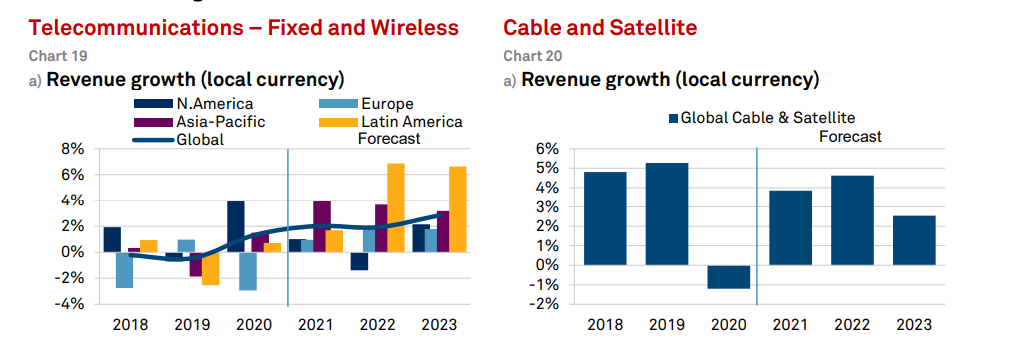
    Telecommunications – Fixed and Wireless

    Revenue Growth (local currency)

    S&P Global 2022, Telecommunication trendsSource: S&P Global 2022, Telecommunication trends

    Telco Revenue is Declining, but the Future Holds Promise.

    The traditional telecom operator is no longer an isolated entity in the market. They engage in multiple collaborations for audio, video, content, analytics, cloud solutions, etc., to cater to the various needs of different customer segments. The growth trajectory is undoubtedly promising, thanks to an ecosystem replete with diverse and lucrative partners. But, monitoring long-term profitability remains a concern.

    For instance, a 2022 global report by S&P predicts that CSP revenue growth will decline in 2023 compared to 2022. Several trends are steering this shift:

    • New Over-the-Top (OTT) players are eating into telecom revenues by offering a wide bouquet of customer-centric services at competitive prices.
    • Evolution of telecom technologies like 4G and LTE are depleting voice revenues while increasing demand and consumption of data services.
    • Business partnerships are now highly complex, and the lack of granular visibility into products and services leads to shrinking margins.
    Why do Telcos Struggle with Profitable Revenue Decisions?

    To retain their edge, telcos instituted changes in how they operate and what they offer customers. But these also affect revenues for the following reasons:

    1. Product complexity impacts profitability

    The primary offering from traditional telecom operators was voice and SMS services. But, as customer usage patterns become increasingly data-heavy, we see a shift towards consume-all-you-can packs. Moreover, to keep customers engaged, telcos need to do more. They have to offer apps, bundled OTT services, and intelligent offerings. It has created an intricate portfolio governed by complex product structures and multiple offerings, which are very hard to manage from a service delivery perspective. Significantly, executing smart pricing decisions and measuring profitability among these numerous and complex interactions is hard.

    2. OTT partnerships eat into telco margins

    Customer demand for OTT content – such as videos, music, movies, etc. – delivered through communication networks forces operators to enter into partnerships with OTT providers on local, regional, and global levels. Bundling such services is a competitive differentiator for telcos to retain and attract subscribers. However, margins are sometimes affected because telcos have limited ways of gauging whether the partnerships are, in truth, profitable and contributing to top-line growth. In some cases, these have low cost-benefit value, leading to partnerships with low profitability for telcos.

    3. New tech is Capex-heavy

    The pace of digital transformation has accelerated over the past five years, which puts pressure on telcos to upgrade their networks and adopt next-gen technologies such as automation, AI, network functions virtualization, etc. And while these initiatives bleed heavily into Capex budgets, many players are still unclear about actual RoI. Consider how network technologies took decades to evolve from 2G to 3G and then 4G. But moving from 4G to 5G is happening in just a few short years. These days, telcos are focusing more on metrics like average margin per user (AMPU) to get visibility into their service delivery stack rather than average revenue per user (ARPU), which is no longer an accurate indicator of profitability.

    Decoding the Power of Margin Assurance

    Margin Assurance is a comprehensive way for telecom operators to identify and measure direct and indirect costs in their balance sheet across operations, partnerships, customer services, and product/service offerings. It leverages analytics and automation to give business decision-makers visibility into revenue and margin KPIs, empowering smarter, strategic, and real-time decisions that effectively increase profitability.

    Here is a concise table mapping the capabilities of margin assurance to tangible business benefits for telcos:

    Areas Capabilities Benefits
    Operational efficiencies Maintains operational margins across costs plus essential margins as per industry best-practices Accurately derive, compute, and report on profitability
    Revenue KPIs Leverage AMPU to segment customers as profitable ones Enhance customer satisfaction by creating targeted campaigns
    Marketing & campaigns Devise strategies for cross-selling products based on customer segmentation Improve business decisions that result in higher revenue
    Partnership analytics Transparent margin analytics to channel resources into the right partnerships and customers Elevates productivity of telcos resources through insights into RoI of existing and new programs, products, and services
    Business intelligence Provides market intelligence and margin evaluation to understand one’s position against challenges based on subscriber behavior and margin trends Improves competitiveness through profitable pricing, unique margin products, and customer retention
    Sharpen Your Edge with Margin Assurance Best Practices

    Leveraging years of domain experience within the telecommunications industry, Subex has developed a powerful margin assurance solution that gives telcos granular insights into margins, revenue, and profitability. The three pillars of our solution approach are:

    • Robust cost allocation models, driven by best practices, whereby every cost line item is part of the P&L account
    • Advanced margin analytics that immediately identifies low-performing areas with simulation to determine how to boost performance along with intuitive dashboards for visualizing costs, insights, areas of action, and recommendations
    • Pioneering solution design that is exceptionally comprehensive across customers, products, segments, network levels, technologies, products, pricing, and more
    A Definitive Guide to Transform the Telco Business

    As a means to empower CSPs with the best practices when it comes to assuring margins, Subex has shared its approach in detail in the TMForum Guidebook titled ‘Business Assurance Transformation – Margin Assurance’, where we are the lead contributor along with other leading telecom operators and vendors. The guide examines how an approach that leverages automated cost allocation models for dynamic insights rather than static ones can drive better business decisions using next-gen technologies.

    Members can instantly download the TMForum guidebook here.

    To learn more about Subex’s approach to margin assurance.

    Read our white paper

  • Assuring Customer experience in an Omnichannel World

    Assuring Customer experience in an Omnichannel World

    As per the Grand View Research report, the opportunity for Customer experience management (CEM) solutions looks extremely promising and competitive, with the market size valued at USD 7,540.6 million in 2020 and an expected CAGR of 17.5% from 2021-2028.

    Shifting Customer experience towards an Integrated Customer-centric strategy

     With Digitalization, customer experience management is shifting towards an integrated customer centric strategy that demands Omnichannel data from multiple channels like Store, Kiosks, Social, Mobile, Web, Field service, Contact center, Direct sales etc. With digital transformation and rising competition, Communication service providers (CSPs) need to adopt the way of Omnichannel customer engagement, to lead on customer satisfaction, opportunity gain, cost optimisation etc.

    Omni-channel strategies for businesses deliver several benefits such as self-serve agility, rapid dispute resolution, cross-selling, personalized experiences, and more. This helps to build cross channel integration and improve customer journeys to achieve overall business growth.

    Need of Digital Customer Journey Analytics adoption

    Communication service providers often focus on improving network speed and quality, they also aim to increase agility via self-service, converged billing, and consolidated resource management systems. However, they are not sufficiently agile to deploy flexible, automated, personalized, intelligent, real-time customer-centric services. Omnichannel experiences have become table stakes for CSPs. In fact, a Forrester study reveals that telecom companies are conservative about omnichannel investments.

    The other issues which are hampering the overall Omnichannel adoption process are factors like low sponsorship to drive real-time customer engagement, siloed B/OSS, and limited cloud enablement for CSPs. From a solution perspective, omnichannel needs high compute and storage for data analytics, data transition, and customer and partner intelligence, which raise investment challenges.

    CSPs need digital customer journey analytics adoption for the CSPs to bring optimal experience in terms of customer expectations. In the absence of customer journey analytics adoption, the process of bringing positive business outcomes remains incomplete and does not deliver the expected customer experience. In that case, it might lead to some prodigious Opex or Capex bottlenecks and process inefficiency, causing less profitable growth.

    Why CSPs struggle with end-to-end Omnichannel CX and role of Business Assurance:

    With 5G bringing multiple complexities in terms of bundling, huge network investment, and dynamic technology change the Omnichannel engagement to improve Customer experience becomes key for CSPs. It requires effective personalization across channels, chatbots as front-line tools, and operate social channels as central that will bring privacy, security, and trust at every touchpoint. With such personalization, if the CSPs are utilizing an Omnichannel system, it has the potential to cause leakages in several areas such as:

    1. Customer experience

    Analysing customer complaints and contacts to ensure process integrity is a key area to ensure a long-term customer journey. Today, the customer has hyperdynamic nature of interaction with a high expectation of getting their needs qualified on a dynamic basis but achieving the accurate real-time result with multiple segregated data storage is a challenge for CSPs. Operators lack to identify such mass customer impact. Ex- Customer reaching out multiple channels with no access to information increases the person cost.

    2. Product profitability

    CSPs should get a detailed P&L accounting view for all cost components based on their usage and derived cut-off price point. But it becomes tricky for them to identify some products with high sales revenue, negative or very low margin with a low holistic view and average analysis tools which causes high leakage. Availability of data and designed analytics approach is crucial to bring visibility on the net profits.

    3. Ecosystem

    Customers need a proper end-to-end delivery of Digital Services, as the value-chain involves a complete ecosystem of different partners, networks, products, etc. With the increasing line of controls such as third-party quality, OTT, IoT services, non-telco platform, service quality towards platforms for M2M, partners, monitoring & SLA, etc., it becomes complex for CSPs to ensure one mode interaction with digitization.

    4. Provisioning/ Activation

    Vulnerability rises if the customer orders are not recorded accurately and fully, as it becomes critical to monitor, capture and investigate all provisioning errors within agreed timeframes. Failure to keep the customer or business partner reference data synchronized across all systems affects the customer journey. Also, the lack of charging or overcharging non-used services relative to customer demands/requests affects customer behaviour and business.

    AI capabilities for Omnichannel enablement

    The Ecosystem Omnichannel enablement’s could be effectively built with AI and analytics-based models and implemented in the right direction with an approach of Business Assurance. This can be achieved by following two main aspects to this. First is to formulate the right approach that enables digital, measures value, and integrates outcomes. Second is to design a roadmap based on key themes that ensure a successful omnichannel CX program.

    How business Assurance plays significant role as business enabler for digital Ecosystem?

    As the enterprises are growing customer-centric and striving hard to stay close to the customers, technology convergence and system integration becomes extremely important to engage, record, and intelligently analyze data from various sources. Business Assurance plays a significant role as a business enabler in this evolving digital ecosystem. For the Omnichannel ecosystem, seamless integration and cohesive interface requirements, it can be effectively used as a means of a single source of truth that empowers organizations to transform into data-driven analytical organizations. It also enables to achieve optimum customer behavior in terms of complete, accurate, and on-time delivery of the expected business outcomes.

    Business Assurance can enable digital customer journey analytics adoption for the CSPs and bring optimal experience in terms of customer expectations such as efficient response time, easy interaction, educational guidance, collaborative study, and built trustful decisions. The Ecosystem Omnichannel enablement’s could be effectively built with AI and analytics-based models and implemented in the right direction with an approach of Business Assurance.

    Transforming the Omnichannel Customer Experience for Modern Telcos with Business Assurance.

    Download Whitepaper

  • The case for Business Assurance in 5G

    The case for Business Assurance in 5G

    5G is a reality now, and Communication Service Providers (CSP) are launching products on their 5G networks.

    5G is considered a revolution for the enterprise business world because of its characteristics like network slicing, multi-access edge computing (MEC), aggregators, dedicated high upload and download bandwidth, low latency, and more.

     But for those of us in the business assurance community, what does 5G mean? How will it be different when we consider 2G/3G/4G controls?

    5G: Creating new connections

    When I saw the movie ‘I, Robot’, there were scenes of several robots working together and performing specific tasks to support the human race. It was difficult to believe that we could be close to that kind of reality. Those robots are like today’s connected devices: connected and controlled from a centralized location, and trained with AI/ML models.”

    Connecting this story in ‘I, Robot’ with today, we can expect a similar customer experience with 5G connectivity working alongside AI and robotics. Although the movie script showed some negative effects, we assume that these issues will get be assured in the 5G world by our peer communities of Information Security Groups.

    Coming back to the topic of how 5G differs for our business assurance community over the current controls, here’s what I see. There will be reusability of the traditional revenue assurance controls like subscription assurance, product catalog validation, and QoS validation. The current customer and revenue use cases of business assurance like Customer 360-degree, revenue analytics, product profitability, margin assurance, etc., will continue to be relevant.

    But in terms of the Framework of Business Assurance in 5G, we will need a few more controls to ensure healthy relationships between CSPs and their partners/suppliers. These will be important for all parties to work together and provide a great experience for the end customer.

    New BA controls in the 5G world

    Below is an image of the foundation of the CSP business model:

    The Case for Business Assurance in 5G

    In the 5G world of enterprise business, there are thousands of partners (seen on the left of CSP) involved in supporting CSPs to provide services to all lines of business (seen on the right of the CSP). These services include immersive entertainment, sports broadcasting, smart cities, connected cars, 5G drones, etc. A healthy relationship with partners is key to ongoing success.

    BA’s role in supporting 5G growth

    To this end, here are a few use cases where business assurance plays an important role in delivering the best customer experience:

    • Service assurance – This includes everything from partner contracts to configuration validation and monitoring the quality of the service provided (QoS breaches) to the customer
    • Partner profitability – This is an extension of margin assurance and involves scoring and analyzing individual supplier performance.
    • Supplier analytics – This is a comparison of supplier performance and an analysis of supplier risk and their sustainability.
    • Spend analytics – This includes analytics on the spend on a product, which is tightly coupled with vendor spend. It also extends to forecasting the spend for any product launch against the expected margins.
    • Contract risk management – This involves expiry alerts and identifying clauses, obligations, and risks
    • Dispute analytics – This involves using AI/ML to predict disputes on the billing, write-offs, bad debts and usage charges date sets
    • Just in time (JIT) and just in case (JIC) analytics – This includes managing inventory based on analyzing historical data and current datasets, and forecasting capacity. This capability has been essential for a lot of CSPs since the Covid-19 pandemic. Many CSPs are refocusing from JIT to JIC to avoid loss of opportunity.

    The more we analyze how CSPs and their partners interact, the better business assurance teams are able to institute controls that protect to ensure those relationships. Ultimately, healthy and profitable business interactions will be necessary for both CSPs and partners to provide a best-in-class experience to customers.

    Business Assurance in 5G and beyond

    Request demo!

  • Business Assurance: Decision-driven Versus Data-driven

    Business Assurance: Decision-driven Versus Data-driven

    Having a data-driven Business Assurance (BA) process is an aspirational goal for many Business Assurance teams. This post is not going to be about the technology per se but will talk about what comes before and after technology: humans and our flaws.

    Three Key Aspects of Business Assurance

    Before delving into human-before-and-after-technology, let’s review three aspects of Business Assurance, which form the backstage onto which most of the Business Assurance activities unfold.

    Since its inception, Revenue Assurance (RA) and, later, Business Assurance (which we’ll use interchangeably for the purpose of this article) was a borderline discipline in telco organizations. It has always sat in-between Finance, IT, and Technology, fighting to influence decisions and processes. We have evidence from RA surveys across the years that shows us that RA/BA has consistently resided in different parts of a telco organization.

    Apart from being a borderline activity, RA, done operationally, is dominated by FOMO – fear of missing out. In RA, FOMO works from two perspectives: from the perspective of the process owners that RA is checking and also from the internal RA one. When looked at from other process owners, FOMO is an actual driving force behind RA actions: RA is winning when discovering what others missed out. But FOMO has a play from its own RA perspective such as the fear of missing out on creeping revenue leakages, missing out contributions to impactful projects, missing out on budgets, or missing being relevant within the organization.

    And finally, RA/BA is hard to be conceived without data. Business Assurance delivers rich analytics aimed at enabling action. There is, however, a previous step before action: the decision. Here is where most RA/BA strategies miss out on: the decision is an implied, taken for granted, step. In the same way, being data-driven is often taken for granted.

    The combined effects above make RA/BA a fragile component for any telecom organization, exposed to the political play between major verticals driven mostly by fear, and a weak decision-making process.

    Now, BA leaders cannot change the first two aspects, but they can definitely understand and improve the ‘taken-for-granted’ part of the whole activity: the decisions.

    Decisions impacting Business Assurance

    A telecom organization makes decisions when it launches a new product or implements a new technology. But automated decisions also include the rating and billing ones we take for granted. Each rated amount in the customer usage is a decision – to apply a certain value, according to the customer’s rate plan, for the specific service and usage type.

    There are also internal BA strategic and operational decisions: The extent of risk coverage to implement, the tools to be used, and processes to be implemented are strategic decisions made internally by BA departments, aligned with the larger parts of the organization. BA’s operational decisions are, amongst others, to validate the alarms/findings of the controls, raise them with the process owners, manage the cases, update configurations, etc.

    Business Assurance Decision Space Business Assurance
    Internal External
    Decision Level Strategic
    • Risk coverage
    • RA tools
    • Process
    • Control framework
    • New products
    • New technologies
    • Organizational changes
    Operational
    • Controls results validation
    • Risk assessment
    • Usage rating
    • Product ordering
    • Order fulfilment
    • Billing
    • On-boarding
    • Commissioning

    With this high-level inventory of the decisions BA is called to make, or to protect, we can glance at how aiming to be a data-driven organization can actually hamper decision-making.

    Decision-driven or data-driven?

    We already know that being a data-driven organization is a catchy phrase in business lingo nowadays, which comes with the effect of digitalization.

    But being data-driven has some hidden implications. Making decisions solely based on the available albeit massive, data is the equivalent of looking for keys under a lamp post.

    A policeman sees a drunk man searching for something under a streetlight and asks what the drunk has lost. He says he has lost his keys, and they both look under the streetlight together. After a few minutes the policeman asks if he is sure he lost them here, and the drunk replies, no, and that he lost them in the park. The policeman asks why he is searching here, and the drunk replies, “this is where the light is”

    This is called the “streetlight effect”, a type of observational bias that occurs when we are searching in places where it is easier to look.

    Put in the context of the data-driven organizations, business assurance included, it means that we are exposed to a limitative fallacy, where even though we have plenty of data, we still make poor decisions.

    Such effects have been highlighted in academic literature, where the risk of decisions made, is not based on a purpose, but based on a preference for using a certain set of data because it is available or it validates a preference already made.

    How would such a bias affect the decision outlined above? For BA, it would mean that a sound risk assessment and decisions to cover certain areas will be impaired by the data available: a BA team could start covering the usage because that is the data IT want to give them access to; or because it is better documented, even though the risks would be higher in another area, like subscriptions or dealers, just to give a few examples.

    Operational BA decisions would be impaired as well, if the cases are validated as false purely based on data available while the flawed result may be caused by the out-of-date reference data.

    Another impact of such bias would be that decisions tend to be made only based on available data, without using statistical inferences, hypothesis testing, and judgement.

    The way out

    The way out is simple, even though simple does not necessarily imply easy.

    The purpose should precede the data. This means, as professor Bart de Langhe puts it in the article cited above:

    Find data for a purpose, not a purpose for your data

    In the context of decision-making for Business Assurance, it means that the decisions for covering certain risks, revenue streams or lines of business should guide the use of data, and not the data available to drive such decisions.

    It also means that BA professionals should get acquainted with hypothesis testing and statistical thinking in order to make better decisions in conditions of incomplete information.

    The latter point is a call for modern analytical tools and platforms, which are enhancing the existing capabilities of RA/BA teams with advanced analytics and ML capabilities, able to deliver analytics in an agile manner and to support the rising citizen data scientists.

    [1] Streetlight effect: https://en.wikipedia.org/wiki/Streetlight_effect, retrieved June 30, 2021

    [2] Why decisions should drive your data analytics, https://dobetter.esade.edu/en/decisions-data-analytics, retrieved June 30, 2021

    Tier 1 APAC Operator Leverages Subex to Identify $7m Annual Profit Enhancement Opportunity.

    Download our latest case study

  • Business Assurance: Evolution and What It Means to CSPs

    Business Assurance: Evolution and What It Means to CSPs

    Evolution of Revenue Assurance into Business Assurance 

    By now, it is almost common knowledge that the telecom world has moved well beyond the conventional idea of Revenue Assurance (RA). But what were the factors which led to this?

    Conventionally, telecom Revenue Assurance used to be a non-real-time, post-facto, and reactive method of finding revenue leakages amongst the data about events that have already happened.

    To understand this further, conventional Revenue Assurance predominantly revolved around reconciling events between the source of origination to the final culmination point – billing and actioning on the outcomes in the form of mismatches.

    While this methodology was leveraged on a reactive basis for ages, with time and the evolution of sophisticated data transfer technologies, we could derive more capabilities around real-time revenue assurance, thereby mitigating the leakage run-time to the least possible extent.

    However, the effective yield from the RA functionalities mentioned above started to diminish and became increasingly insignificant due to the below factors:

    1. Stiff competition between operators fighting for supremacy on subscriber acquisition meant that the prices of conventional telecom services were constantly reduced.
    2. Consequent to the above, the average revenue per user dropped, which meant that even if the findings from evolved revenue assurance practices were significant, they did not translate to the same level of significance in dollar value.

    Naturally, this set the ball rolling for the evolution of conventional Revenue Assurance into Business assurance.

    What does this really mean?

    Fundamentally, Revenue Assurance (RA) revolves around identifying anomalies across the operator’s business. These anomalies might be systemic, human, process-related, or stemming from a lack of coordination, either technical or intra-departmental, in an operator ecosystem.

    This means that while conventionally, RA revolved around usage, mainly source (switch) to destination (bill) reconciliations, it can be expanded to cover other more expansive business areas. From detecting leakages in usage revenue, it can expand to assure aspects of product margins, customer satisfaction, rating, contract management, etc., to name a few.

    Another aspect to consider in this context is the already available, clean, normalized, ready-to-use and extremely useful data that RA systems have at their disposal, out of which only a sub-set has been tapped into. This has ensured the evolution can be more seamless and natural.

    Collectively, by virtue of the above factors and more, Revenue assurance can and has evolved to what we call it today – Business Assurance.

    The definition of Business Assurance and what it means to CSPs: 

    As clichéd as it is, we all know the Communication Service Providers (CSPs) have transformed dramatically in terms of the services they offer to their customers to being Digital Service Providers (DSPs). This, consequently, means that they have to address new, dynamic, and constantly evolving risks and challenges. As a result, they would have to redefine and rejig their existing resources to equip them with the skills required for a more comprehensive Business Assurance view across the organization.

    Source: Dimensions of BA as per TMF

    Business Assurance amalgamates conventional assurance and risk areas into a data-driven, proactive, all-encompassing framework to protect financial integrity while ensuring seamless customer experience and business value.

    In addition to the above, Business assurance would constitute a wide array of areas – Product & Offer Management, Customer Management, Order Management & Provisioning, Network Management, Rating & Billing Assurance, Finance & Accounting, etc. It would be imperative to say that all these areas need to be supported by sophisticated technologies around data analytics, artificial intelligence, and blockchain.

    While the above BA views are relatively generic, it seldom works in a one-size-fits-all approach. Hence, it is imperative that each organization refines the relevance and extent of the BA scope in their particular environment basis the business needs.

    Webinar on Business Assurance in 5G:
    5 controls you cannot do without

    Watch Now