Category: Fraud Management

  • Reimagining Business Assurance and Fraud Management in Emerging Markets

    Reimagining Business Assurance and Fraud Management in Emerging Markets

    In today’s hyperconnected economy, telecom operators are not only delivering connectivity, but they are also shaping the digital backbone of entire regions. Nowhere is this more visible than in Africa and the Middle East, where Communication Service Providers (CSPs) sit at the center of digital transformation. In this context, Business Assurance (BA) and Fraud Management (FM) are no longer reactive safeguards. They are strategic enablers of agility, trust, and growth.

    As telco ecosystems grow in scale and complexity, especially for multi-country groups with many Operating Companies (OpCos), leaders face a dual mandate: strengthening control while preserving flexibility. Achieving this means adopting BA and FM that provide group-level standards and visibility, with local teams able to adapt controls and processes to their market, enabled by AI, cloud, and automation.

    Standardization as a Strategic Lever

    For large telco groups operating across diverse markets, standardization is more than operational efficiency; it is a strategic necessity. Without harmonized controls, data models, and reporting structures, group-level oversight lacks the visibility needed for effective governance.

    Framework-driven standardization, anchored in globally recognized TM Forum standards, enables consistency across OpCos, reduces duplication, and accelerates learning. Solutions like HyperSense BA and FM are designed precisely with this in mind: to deliver standardization at the group level while allowing modular value creation at the local level.

    Seamless Integration with the Data & AI Ecosystem

    BA and FM are inherently data-hungry functions. Unless they integrate seamlessly with enterprise data lakes, AI platforms, and analytics pipelines, they risk becoming siloed technologies.

    An ecosystem-first approach characterized by open architecture, APIs, and prebuilt connectors ensure BA/FM solutions are woven into the enterprise digital fabric. This integration allows them to move beyond being compliance guardrails to becoming active participants in the broader AI and analytics journey, enriching predictive models and feeding insights back into governance and innovation processes.

    Modular Agility for Diverse Markets

    No two telecom markets are alike. Large markets handle massive transaction volumes across numerous digital channels, while smaller markets often run leaner operations with distinct risk profiles. A one-size-fits-all BA/FM solution is therefore impractical.

    HyperSense addresses this challenge with modular capabilities. Core functionalities are standardized, while specific control packs and fraud typologies can be deployed on demand. This empowers each OpCo to tailor its investment to local realities, ensuring agility without compromising group-wide alignment. Smaller operators avoid being weighed down by enterprise-scale implementations, while larger ones are not constrained by lightweight tools.

    From Rules to Intelligence: The AI & GenAI Shift

    Traditional rules-driven BA/FM systems while useful, struggle with scalability, adaptability, and false positives. The industry is now shifting toward AI-powered, self-learning controls that adapt continuously to transaction patterns, anomalies, and emerging fraud vectors.

    HyperSense exemplifies this evolution. Rule-based controls are augmented with machine learning models for earlier, more precise detection of risks and revenue leakages. Generative AI further extends this intelligence:

    • AI-driven case investigation assistants accelerate analyst productivity.
    • GenAI-powered root cause analysis provides narrative insights and expert recommendations.
    • Predictive fraud models anticipate emerging threats before they materialize.

    This ensures BA/FM remains future-ready, even as technologies and fraud tactics evolve.

    Beyond Safeguards: Strategic Value Creation

    As telcos embrace 5G, digital finance, and cloud-native operations, BA and FM are no longer just about protection. By ensuring anomaly-free revenue streams and minimizing losses, they underpin business growth. Moreover, the insights generated can inform product innovation, pricing strategies, and customer experience enhancements.

    In this sense, BA and FM transition from defensive functions to strategic enablers, empowering CSPs to lead confidently in the digital economy.

    Conclusion

    For multi-country telecom groups, selecting the right BA/FM platform is more than a tactical choice, it is a strategic investment in resilience, governance, and future readiness. The path forward requires solutions aligned with TM Forum standards, deeply integrated with enterprise AI ecosystems, modular enough for diverse markets, and future-proofed with AI and GenAI capabilities.

    HyperSense BA and FM deliver on this vision. Grounded in global best practices yet adaptable to local needs, they are not just about preventing revenue leakage, they are about enabling telcos to operate with agility, intelligence, and confidence in an era defined by digital transformation.

    Check out The New Playbook for Telecom Compliance: Regulatory Assurance Framework GB1004H

    Co-created by Subex, TM Forum & Global Telecom Leaders

    Read Here

  • How AI and Analytics Are Revolutionizing Fraud Detection in Mobile Money

    How AI and Analytics Are Revolutionizing Fraud Detection in Mobile Money

    Mobile money has become the financial heartbeat of Africa, transforming how millions of people transact daily. But with rapid adoption comes rising risk-Mobile Money Fraud is becoming more sophisticated, targeting customers, agents, and providers alike.

    As transaction volumes surge and digital inclusion deepens, the need for proactive, real-time, and intelligent fraud prevention has never been more urgent. Legacy rule-based systems are no longer enough. What African mobile money leaders now need is a shift toward AI-powered fraud prevention-one that blends AI in fraud detection with deep analytics, graph intelligence, and near real-time orchestration.

    What Are the Types of Mobile Money Fraud?

    Understanding fraud types is key to effective prevention. The most common types of telecom mobile money fraud seen across Africa include:

    • Identity theft and impersonation: Fraudsters use fake or stolen IDs to access customer wallets.
    • SIM-swap attacks: Criminals gain control over users’ phone numbers to hijack accounts.
    • Commission fraud by super-agents: Super-agents inflate commissions by cycling funds, creating ghost accounts, or splitting transactions.
    • SIM farms: Large-scale use of multiple SIM cards to abuse offers, evade controls, and execute coordinated fraud schemes.
    • Social engineering: Victims are tricked into sharing sensitive information like PINs and OTPs.
    • Agent and merchant collusion: Fraud rings exploit loopholes in agent or merchant behaviour to manipulate cash flows.
    • Transaction laundering: P2P payments masked as merchant transactions to bypass rules.
    • Insider threats: Fraud committed or aided by employees with system access.
    • Synthetic identities: Fraudsters create fake user profiles to execute multiple small-value scams.

    These tactics are increasingly subtle, coordinated, and executed across channels-making real-time detection a necessity.

    Mobile Money Fraud Examples

    Here are some real-world mobile money fraud examples:

    • A user receives a call pretending to be customer care, prompting them to “verify their wallet”-a ploy to extract their PIN and empty their account.
    • A group of agents consistently processes unusually high-value cash-outs during off-peak hours-signalling possible collusion.
    • Multiple users with different IDs but the same device IMEI conduct repeated low-value transfers-classic mule behaviour.
    • A merchant performs thousands of low-value cash-ins, only to cash out through a network of linked wallets-indicating possible laundering.
    • An account shows a sudden change in location and device during login-a red flag for potential SIM-swap fraud.

    Each of these signals may go unnoticed by static rules, but not by AI in fraud detection, which can flag micro-patterns, relationships, and behavioural anomalies in real time.

    How to Prevent Mobile Money Frauds?

    For mobile money providers to stay ahead of evolving fraud schemes, the strategy must go beyond detection to prevention and orchestration. Here’s how to achieve effective mobile payment fraud prevention:

    • Unify data across all sources: Wallet data, device metadata, KYC, agent behaviour, and transaction history should be brought together for a 360° risk view.
    • Invest in real-time analytics: Delay-based systems are no longer viable. You need fraud detection that happens in milliseconds.
    • Use network-level insights: Graph models help identify fraud rings operating across thousands of accounts and devices.
    • Implement graded interventions: Rather than blocking transactions blindly, use risk-based scoring to apply friction only where necessary.
    • Empower your fraud teams: Equip investigators with AI-assisted dashboards that suggest actions, highlight linked fraud, and learn from every decision.
    • Build explainability and governance: Regulators expect transparency. AI outputs must be auditable, interpretable, and compliant with risk-based AML/CFT guidelines.

    How Are AI and Analytics Used in Mobile Money Fraud Detection?

    AI and analytics are now central to modern fraud detection in mobile money. Here’s how they’re transforming the fight against fraud:

    1. Real-Time Anomaly Detection

    AI models can process massive transaction data in real time-flagging deviations in velocity, location, device use, and transaction value. This enables early detection before fraudulent transactions are settled.

    2. Graph Analytics

    Fraud rarely happens in isolation. Graph-based analytics map relationships across users, devices, SIMs, agents, and merchants-uncovering hidden fraud rings and collusion networks.

    3. Hybrid Detection Models

    A layered approach: combining business rules (for known fraud types), supervised learning (where historical fraud data exists), and unsupervised models (to detect new and evolving fraud patterns).

    4. Device Intelligence and Behavioural Biometrics

    By analysing how users interact with mobile apps or USSD interfaces, AI can differentiate between genuine users and fraudsters-even when credentials are compromised.

    5. Natural Language Processing (NLP)

    NLP and large language models (LLMs) scan support tickets, dispute notes, and chat logs to identify new scam scripts and fraudulent patterns as they emerge.

    6. Risk-Based Orchestration

    AI assigns dynamic risk scores to each transaction or user. Based on this score, the system can automatically apply the right level of intervention-like an OTP prompt, delay, or block.

    7. Closed-Loop Learning

    Investigator feedback is fed back into the system, enabling continuous learning. Over time, false positives are reduced, and model accuracy improves.

    Subex’s AI-Powered Approach: Enabling CSPs in Africa to Combat Fraud and Drive Business Assurance

    With over two decades of expertise in telecom risk and assurance, Subex empowers Communication Service Providers (CSPs) globally to fight fraud, safeguard revenues, and enhance customer experience with precision and scale.

    Here’s how Subex is addressing today’s challenges with AI and GenAI:

    • Unified Risk Fabric: Subex integrates diverse data sources-subscriber, device, network, KYC, billing, merchant, and partner data-into a single analytics layer, removing blind spots and enabling holistic risk assessment.
    • Graph-Based Risk Analysis: Fraud and revenue leakages rarely occur in isolation. Subex maps relationships across users, SIMs, devices, agents, and partners to uncover fraud rings, collusion networks, and anomalous behaviours.
    • Explainable AI: Our hybrid detection models (rules + AI + GenAI) provide clear reason codes, risk scores, and transparency, ensuring both analysts and regulators can interpret and trust decisions.
    • Near Real-Time Decisioning: Subex enables proactive intervention by detecting anomalies and leakages as they happen-preventing revenue loss and minimizing customer impact.
    • AI-Powered Agents and Workflows: GenAI-powered investigation agents accelerate fraud and revenue assurance case closures, automate reporting, and free up analysts to focus on higher-value tasks like researching new fraud methods and emerging risks.
    • Operational Dashboards: Subex equips fraud and assurance teams with intuitive dashboards, AI-assisted workflows, and feedback loops-reducing investigation time, improving detection rates, and enhancing productivity.
    • Business Assurance + Fraud Management Synergy: Beyond fraud detection, Subex helps operators identify revenue leakages, optimize product portfolios, enhance customer lifetime value, and assure compliance with business KPIs.

    How an African Operator Saved Over $3M with Subex Fraud Detection

    A leading African mobile money operator was facing unexplained leakages. Fraudulent transactions disguised as legitimate cash-ins were bypassing traditional controls. Manual investigations proved inefficient, and fraud continued to erode revenue.

    Subex deployed fraud detection system that:

    • Automatically identified misclassified P2P transfers.
    • Flagged fraud rings operating across agents and wallets.
    • Quantified and reported daily losses in real-time.

    The result? Over USD 3 million saved annually and a dramatic reduction in fraud volume and detection time. [Download the full case study]

    Final Thoughts

    In Africa, mobile money is more than just a convenience-it’s the foundation of financial inclusion. But to protect this foundation, providers must outpace fraudsters using modern tools.

    AI in fraud detection is no longer optional. It’s a strategic necessity.

    Subex offers telecom operators the tools they need to fight fraud intelligently-through AI, real-time analytics, and telecom-grade precision. If you’re serious about revenue protection, customer trust, and regulatory compliance, the time to modernize your fraud defences is now.

    Protect your mobile money business from fraud-while enhancing trust, speed, and compliance.

    Learn more

  • Flash Calls Are Silently Costing Telcos Billions — Here’s How to Fight Back

    Flash Calls Are Silently Costing Telcos Billions — Here’s How to Fight Back

    In the time it takes for a missed call to vanish from a user’s screen, your network could be losing valuable revenue.
    This loss isn’t from traditional voice or data services — it’s happening through flash calls, the stealth disruptors of telecom authentication.

    According to Juniper Research, operators stand to lose over $1.3 billion to undetected flash calls between 2023 and 2027. What may appear to be a harmless missed call is, in reality, a direct bypass of billable SMS verification channels, creating a silent but massive revenue drain for CSPs— and the threat is accelerating.

    What Exactly Are Flash Calls?

    Flash calls are ultra-short, machine-generated calls initiated for authentication purposes. Instead of sending a traditional one-time password (OTP) via SMS, certain apps trigger a missed call to the user’s number. The verification system then captures the last few digits of the incoming number to confirm the user’s identity.

    No call is answered. No SMS is delivered. Most importantly for CSPs — no billable transaction occurs.

    For OTT platforms, this approach offers clear advantages: reduced authentication costs compared to A2P SMS, faster and more seamless onboarding experiences, and improved conversion rates. However, for operators, it’s a growing problem — lost SMS A2P revenue, authentication traffic hidden within normal signaling flows, and limited visibility in CDRs.

    Why the Threat Is Real — and Growing

    A single operator can experience over a million flash calls in a month. Multiply that number across multiple carrier networks and regions, and the scale of revenue leakage easily reaches billions of unbilled events annually.

    Because flash calls blend in with legitimate incoming voice traffic, traditional fraud detection tools and traffic analysis systems often fail to identify them. This invisibility benefits OTT providers — who save millions annually — but leaves CSPs to shoulder the costs of delivering authentication without compensation.

    The adoption rate of flash call authentication is increasing rapidly. Industry data show that over 42% of organizations adopted flash calls for mobile verification in 2023, and global flash calling authentication volume exceeded 3.5 billion events — a 47% increase year-over-year. Many global technology companies are already testing or deploying it as their default onboarding method. Unless operators act now, the leak will only widen.

    The Opportunity: Turn Revenue Leakage into Revenue Generation

    While flash calls pose a significant challenge, they also present an untapped revenue opportunity. CSPs who can accurately detect, classify, and manage flash call traffic can not only recoup losses but also position themselves as key enablers of secure digital authentication.

    By aligning flash call monetization with existing A2P SMS frameworks, operators can bill OTT authentication fairly, prevent bypass strategies, and even offer value-added authentication services directly to enterprises and digital platforms. This transforms the problem into a sustainable revenue stream while increasing control over authentication-related traffic.

    Case Study — How One CSP Plugged the Leak

    A leading telecom operator noticed a sharp, unexplained drop in A2P SMS volumes. On closer inspection, they uncovered a significant surge in flash call authentication traffic.

    They took the following steps in collaboration with Subex’s Signaling Risk Intelligence solution:

    • Detected and classified flash call traffic in real time, achieving 86% detection accuracy within six weeks
    • Averted over $500,000 in annual revenue leakage that would have otherwise gone unnoticed
    • Identified and monetized over 1mn flash call attempts per month
    • Gained comprehensive analytics on OTT authentication behaviors

    Return on Investment: Within six months, the operator recovered lost revenues and converted a hidden drain into a predictable, growing source of income.

    The Strategic Blueprint for Telcos

    Successfully tackling flash calls requires a shift in approach. Operators must invest in advanced, AI-driven signaling analytics capable of distinguishing flash calls from legitimate voice traffic. Real-time detection and automated billing frameworks are essential to turn these bypass events into revenue-generating transactions.

    At the same time, CSPs should proactively engage with OTT platforms to establish fair usage and monetization agreements — similar to existing SMS interconnect arrangements. Regulatory coordination will also help ensure authentication channels are standardized and transparent.

    The Time to Act Is Now

    Flash calls are not a passing trend — they are fast becoming the preferred authentication method for many digital giants.

    For operators, the choice is clear: Act now to stop uncontrolled revenue leakage, protect existing streams, and create new, sustainable sources of income. Or wait — and watch as your revenues quietly erode.

    The question is no longer whether flash calls will impact your business.
    It’s whether you will monetize them before someone else does.

    Join leading operators who are already fighting back. Schedule a call with our specialists to explore revenue protection strategies today.

    Schedule Now

  • SIMBox Fraud: Challenges and AI-Powered Solutions for Telecom Operators

    SIMBox Fraud: Challenges and AI-Powered Solutions for Telecom Operators

    As global communication expands, so does the sophistication of fraud schemes targeting telecom operators. Among these, SIMbox fraud has emerged as one of the most severe challenges facing the industry. This type of fraud costs telecom companies billions of dollars annually, affecting service quality, compromising security, and threatening business growth. With increasing cross-border communication, SIMbox fraud has grown into a global problem that affects both emerging and developed markets.

    In this blog, we will explore how SIMbox fraud operates, its impact on the telecom industry, and the AI-powered solutions that telecom operators can adopt to detect and combat this growing menace. Additionally, we’ll analyze global trends in SIMbox fraud, examine case studies, and explore AI/ML methodologies for fraud detection, with an eye on future trends in combating this evolving threat.

    What is SIMBox Fraud?

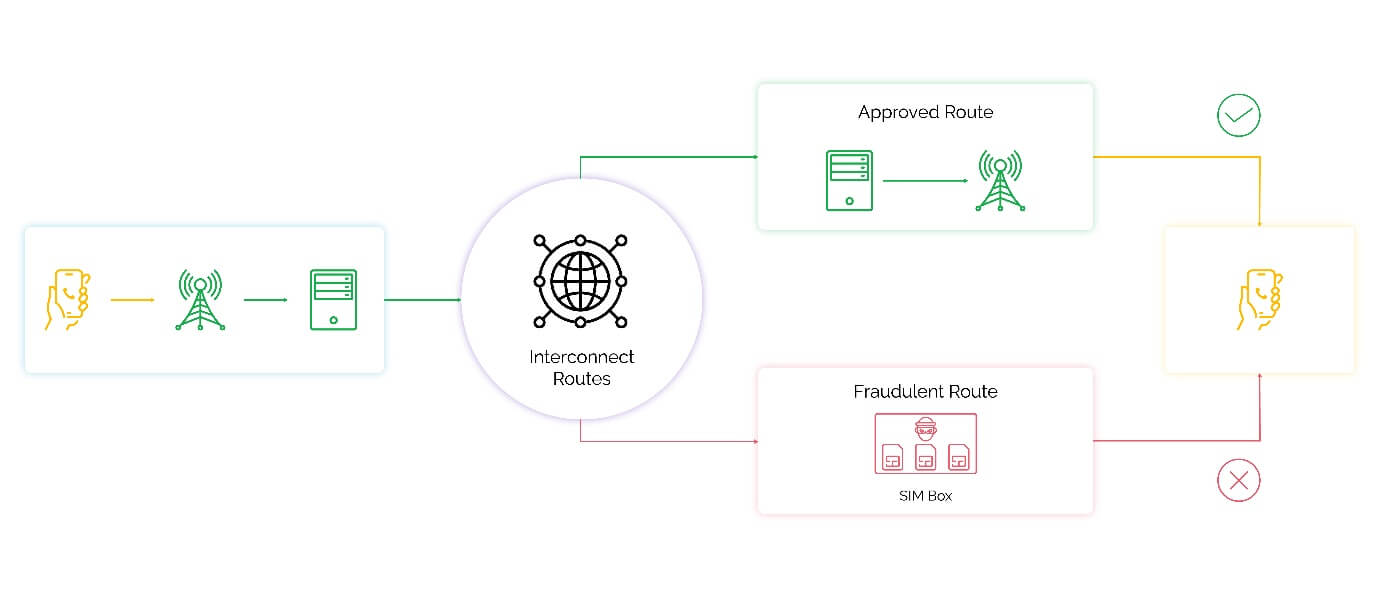
    At its core, SIMbox fraud (also known as interconnect bypass fraud) exploits the price disparity between local and international call rates. Fraudsters use a device called a SIMbox, which contains multiple SIM cards purchased from various mobile network operators (MNOs). These SIM cards are used to bypass official international gateways, routing international calls as local ones via Voice over Internet Protocol (VoIP) systems.

    The process involves rerouting international calls through internet gateways and local SIM cards, masking the international origin of the call. The SIMbox operators profit by avoiding the high international tariffs, while the telecom companies suffer from revenue loss. SIMbox fraudsters also exploit weak regulatory frameworks in some regions, using SIM cards obtained via fraudulent means, including stolen or fake identities.

    SIMBox fraud is one of the top telecom frauds in terms of the revenue loss to telcos. CFCA, in its Global Fraud Loss Survey in 2023, estimated that Voice Interconnect Bypass fraud alone costs around $5.06 billion globally, making it one of the top 5 fraud types.

    SIM Box Fraud Challenges and AI-Powered Solutions for Telecom Operators

    How SIMBox Fraud Works

    1. Multiple SIM Cards: Fraudsters insert numerous SIM cards into the SIMbox, each connected to a local network. These SIMs act as the gatekeeper for international calls. Typically, fraudsters purchase prepaid SIM cards in bulk or exploit promotions offering cheaper local rates. To avoid detection, they rotate SIM cards frequently, ensuring none stay active long enough to raise suspicion. Additionally, sophisticated SIM boxes can manage hundreds of SIM cards, automatically swapping them in and out to prevent rapid deactivation by telecom operators. This mass deployment of SIM cards allows the fraudster to bypass traditional international calling fees while remaining under the radar of anti-fraud systems.
    2. VoIP Routing and Optimization: Calls are routed through a broadband connection using VoIP (Voice over Internet Protocol) technology, avoiding international tariffs. Fraudsters often use multiple VoIP providers to avoid detection and ensure uninterrupted service. They sometimes optimize the call routing by selecting paths that offer the lowest latency and cost, further reducing their operational expenses. Advanced fraudsters may also implement automatic call distributors (ACDs) to manage call flow, minimizing call drops and maximizing the efficiency of their illicit operations. Additionally, some SIMbox operators may use encrypted VoIP channels to make detection even harder for telecom operators.
    3. Local Number Spoofing: The SIMbox manipulates the caller ID to show a local number associated with one of the SIM cards, hiding the true international origin of the call. This method of caller ID spoofing makes it look as though the call is originating from within the local country, fooling both users and telecom systems. Fraudsters often use dynamically generated numbers, which may correspond to genuine users, further complicating detection efforts. This technique helps to bypass anti-fraud filters that would flag international calls being terminated as local. Some advanced SIMboxes also change the caller ID in real-time, based on the destination of the call, to avoid repeated detection.
    4. Call Termination: By bypassing official gateways, the call is transmitted via a local network, leading to significant revenue loss for the telecom provider. The call termination process exploits local termination rates, significantly undercutting the legitimate revenue stream of telecom operators. Since the calls never pass through official international routes, the operator cannot charge standard international rates. Furthermore, this rerouting can cause call quality issues for end-users, including poor audio quality, call drops, and delays. Over time, excessive fraud through SIM boxes can deteriorate the overall service experience for genuine users and erode customer trust in the network. This form of termination fraud also negatively impacts telecom operators’ reputation, as they face growing operational costs from implementing countermeasures and regulatory fines.

    Why SIMBox Fraud Is a Growing Threat

    The proliferation of SIMbox fraud is not accidental; it is driven by several factors:

    • Global Communications Boom: In recent years, especially during and after the pandemic, there has been a massive increase in global communication. Remote work, online conferencing, and international calls have become the norm. This surge in communication has created new opportunities for fraudsters to exploit the price differentials between local and international call rates. SIM boxes allow fraudsters to bypass legitimate network infrastructure, rerouting international calls through local numbers, and thus avoiding the higher costs associated with cross-border calls. This exploitation of arbitrage opportunities in telecom tariffs has only grown more lucrative as international communications have expanded.
    • High Call Termination Costs: Countries with particularly high call termination fees, such as Cuba, Seychelles, and Algeria, are attractive targets for SIMbox fraud. Fraudsters leverage these high costs to maximize their profits by routing international calls through local networks at significantly reduced rates. For telecom operators in these countries, the loss of revenue due to SIMbox fraud is especially damaging, as it undercuts their ability to fairly charge for the infrastructure and service they provide. Furthermore, the illegal rerouting of traffic results in poor service quality for end-users, increasing complaints and damaging the operators’ reputations.
    • Weak SIM Card Regulations: Many emerging markets have lax regulations around the sale and use of SIM cards. Fraudsters exploit this by purchasing large quantities of SIM cards using fake identities or by taking advantage of countries where SIM card registration is not strictly enforced. The lack of robust Know Your Customer (KYC) requirements means that fraudsters can operate SIM boxes with little fear of being tracked or held accountable. In countries where SIM cards can be purchased anonymously or with minimal documentation, SIMbox fraud continues to thrive, allowing criminals to set up and operate fraud schemes with relative ease.
    • Technological Advances in Fraudulent Practices: As telecom operators have improved their ability to detect and prevent SIMbox fraud, fraudsters have adapted their methods. The use of automated and sophisticated systems allows fraudsters to scale their operations, often controlling hundreds or even thousands of SIM cards remotely. Additionally, advanced techniques like IMEI spoofing, IP anonymization, and the use of virtual SIM cards make it more difficult for operators to pinpoint the exact location or identity of the fraudsters.
      A particularly concerning evolution is Human Behavior Simulation (HBS), where fraudsters program SIM boxes to mimic normal user behavior—making short-duration calls, sending SMS, changing cell locations, and even using mobile data. This deceptive mimicry allows fraudulent SIMs to blend in with genuine users, making detection even harder for systems relying on static thresholds or conventional analytics.
    • Lower Cost of Entry: The equipment needed to set up a SIMbox operation has become cheaper and more accessible. Fraudsters can now acquire the necessary hardware and software at a relatively low cost, making it easier for small-scale operators to enter the space and contribute to the growing threat. This low barrier to entry has resulted in a proliferation of SIMbox fraud networks across various geographies, further complicating the efforts of regulators and operators to contain the problem.
    • Impact on Network Performance and Security: SIMbox fraud not only causes significant revenue losses but also degrades the quality of service for legitimate customers. The rerouting of traffic through SIM boxes often leads to network congestion, dropped calls, and poor voice quality. Additionally, it poses security risks, as these illicit setups can be used to mask more nefarious activities such as smuggling of calls for illegal purposes, making it harder for law enforcement to track communication activities.

    The Challenges of Traditional SIMBox Fraud Management

    Current SIMbox fraud detection techniques are not adequate as they don’t promise a foolproof approach to detect this fraud in near real-time. For example, Call Data Record (CDR) analysis, while delivering comprehensive coverage, falls short in addressing the issue of earlier detection and high false positives associated with such methods.

    A standard CDR analysis can identify abnormal rises in call volume from a single number and provide metrics like the ratio between incoming and outgoing calls, and local vs. international calls. However, these figures may not always give accurate results because bypass fraud patterns differ across countries, operators, and networks. Fraudsters often stay below detection thresholds or simulate human-like behavior to evade detection.

    Test Call Generator (TCG) analysis performs better in terms of accuracy for threat detection, but it struggles with coverage and predictability. Fraudsters can even simulate genuine network behavior to compromise the system and generate manipulated events.

    Additionally, SIMbox perpetrators have become smarter, using methods to avoid detection, such as:

    • Use of Anti-Fraud Detection Methods: Techniques like sending SMSs, simulating data sessions, receiving calls, HBS, changing cell sites, etc., are used to make fraudulent activity appear legitimate.
    • Automated Software: Fraudsters reprogram Equipment IDs to bypass detection systems.
    • Deceptive Detection: Fraudsters allocate pools of SIM cards to be purposely detected or captured, creating positives.

    Rule-based systems have long struggled with balancing detection sensitivity, set thresholds too low, and fraud slips through undetected; set them too high, and false positives overwhelm analysts. These limitations can be effectively addressed with advanced technologies like Artificial Intelligence (AI), Machine Learning (ML), and Generative AI (GenAI)-powered agents. AI/ML models not only learn to distinguish between genuine and fraudulent behavior with higher precision but also adapt to evolving fraud patterns. GenAI-powered agents further augment this by autonomously investigating anomalies, correlating multi-source data, and guiding analysts with actionable insights. This shift from static rules to intelligent systems enables telcos to detect SIMbox fraud in real time while minimizing both detection gaps and operational noise.

    The Impact of SIMBox Fraud on Telecom Operators

    The implications of SIMbox fraud are far-reaching and detrimental to telecom operators. Let’s explore some of the key challenges:

    1. Revenue Loss: The most direct impact of SIMbox fraud is the revenue loss it causes. Telecom companies lose billions annually due to the rerouting of international calls, undermining their profitability.
    2. Service Quality Degradation: SIM boxes often use cheap, substandard setups that lead to poor call quality, dropped calls, and connection delays.
    3. Compromised Security: SIMbox fraud bypasses encryption and security protocols, allowing unauthorized interception of sensitive communications.
    4. Infrastructure Strain: The large volume of rerouted calls can overload local networks, causing congestion and damage to telecom infrastructure.
    5. National Security Threat: SIMbox fraud evades legal monitoring systems, allowing it to be used for criminal activities like terrorism and smuggling.

    How AI/ML Helps Combat SIMBox Fraud

    As SIMbox fraud becomes more complex, traditional detection methods such as CDR and TCG analysis are no longer sufficient. AI/ML provides a more sophisticated approach to fraud detection, offering enhanced coverage and predictive capabilities.

    1. Anomaly Detection
    AI/ML systems can analyze vast amounts of Call Detail Records (CDRs) and detect unusual patterns of behavior indicative of SIMbox fraud. These systems use algorithms to differentiate between normal and suspicious call behavior, providing real-time alerts to operators.

    2. Predictive Analysis
    Machine learning models can predict future fraudulent activities by recognizing trends in past fraud incidents. This predictive capability helps operators proactively block fraud before it occurs.

    3. Real-Time Detection
    AI-powered systems can monitor network traffic in real-time, detecting fraudulent activities as they happen. This ensures that operators can prevent financial losses by blocking fraudulent calls immediately.

    4. Geographic Anomaly Detection
    Fraudsters often exploit geographic anomalies by routing international calls through local SIM cards. AI-based geographic filtering can track and block calls with unusual geographic origins, adding an additional layer of defense.

    5. Investigation Analysis by AI Agents
    AI Agents assist fraud analysts by autonomously investigating suspicious call patterns, correlating data from multiple sources, and generating actionable insights. These agents can automate time-consuming analysis, suggest next-best actions, and even simulate fraud scenarios to help teams understand and respond to threats faster and more effectively.

    6. Self-Learning Algorithms
    Machine learning algorithms are capable of self-learning from new fraud patterns, allowing them to adapt and evolve as fraudsters develop new techniques. This ability to continuously improve detection accuracy is a key advantage of AI/ML-based solutions.

    AI/ML and GenAI – The New Mantra for Telcos
    Enterprises seeking to acquire next-generation capabilities are increasingly turning to AI, ML, and now GenAI to drive innovation, boost agility, and unlock new value from existing business models. For telcos, who sit on a goldmine of user and network data, these technologies open the door to transformative possibilities—from minimizing customer churn to enhancing network performance in real time.

    Extending these capabilities to fraud detection empowers telcos to effectively counter sophisticated threats like SIMbox fraud. While traditional methods such as CDR/TCG analysis remain valuable, integrating them with AI/ML provides enriched seed data and enables more adaptive, intelligent fraud detection systems.

    By combining historical call analysis with real-time AI/ML insights and GenAI-powered investigative support, telcos can adopt a truly holistic approach. This fusion offers the best of both worlds: precise detection, broader threat coverage, and the agility to respond to evolving fraud patterns faster than ever before.

    Case Study: The Role of AI in Combating SIMBox Fraud

    A Tier-1 telecom operator in the Asia Pacific region faced significant challenges with SIMbox fraud, a growing threat that impacted both revenue and customer experience. To address this issue, the operator partnered with Subex to deploy an AI-driven fraud detection system. Over a 12-month period, the AI solution analyzed a vast dataset of Call Detail Records (CDRs), identifying irregular patterns and detecting fraud in near real-time. The implementation resulted in the following key outcomes:

    • Achieved a 98% fraud detection hit rate, vastly improving fraud detection compared to the legacy system.
    • Improved fraud detection by 175% compared to the operator’s previous fraud management system.
    • Reduced the mean time to detect fraud to just 8 minutes, allowing for quicker response and resolution.
    • Prevented additional losses by 60%, significantly safeguarding revenue.
    • Reduced customer complaints by 31%, enhancing the overall customer experience by minimizing fraud-induced disruptions.

    This case study demonstrates how AI-driven solutions not only mitigate fraud but also drive operational efficiency, improve customer satisfaction, and protect revenue for telecom operators.

    Preventing SIMBox Fraud: Best Practices for Telecom Operators

    SIMbox fraud is a dynamic and complex issue, but telecom operators can implement several key strategies to mitigate its impact. Here are some best practices:

    • Secure SIM Card Management: One of the fundamental steps to prevent SIMbox fraud is to ensure robust SIM card lifecycle management. Telecom operators should secure the distribution, storage, and activation of SIM cards to limit fraudulent actors’ access. Implementing stringent KYC (Know Your Customer) processes and real-time monitoring of SIM card usage can reduce the likelihood of exploitation.
    • AI/ML and GenAI for Fraud Detection and Investigation
      Implementing a robust AI and machine learning-based solution is essential in detecting SIMbox fraud in real-time. AI models can continuously analyze call detail records (CDRs) and other metadata to identify suspicious patterns indicative of fraud. With machine learning algorithms capable of adapting to new fraud techniques, operators can stay ahead of evolving threats.Adding to this, GenAI-powered agents can significantly enhance fraud investigation workflows. These intelligent agents can assist fraud analysts by automating data correlation, generating insights from large volumes of structured and unstructured data, and recommending the next-best actions. This not only reduces the burden on human teams but also accelerates time-to-detection and response.
    • International Collaboration: Working closely with global carriers, regulatory bodies, and law enforcement agencies is vital in the fight against SIMbox fraud. Sharing intelligence on emerging fraud tactics, traffic patterns, and suspicious activities allows operators to combat cross-border fraud more effectively. Fraudsters often operate in multiple countries, making collaboration essential in shutting down their networks.
    • Geographic Filtering and Anomaly Detection: Analyzing call metadata and filtering out geographic anomalies can significantly reduce fraudulent activity. This can be done by detecting unusual patterns in call origination and termination points that are indicative of SIMbox activity. By utilizing AI-powered analytics, operators can stay ahead of these patterns and flag irregularities that may suggest fraud.
    • Randomized Testing: Performing randomized tests to various call destinations can reveal unusual routing paths and highlight potential SIMbox fraud. Testing both local and international calls ensures that operators can identify when calls are being rerouted illegally and take action to mitigate these activities.
    • Legal and Contractual Safeguards: Operators should not rely solely on technical fixes. Strengthening legal frameworks is another essential layer of protection. Collaborating with legal teams to update contracts and include fair usage policies can prevent abuse by unscrupulous partners. Ensuring that contracts limit bulk SMS usage or define stricter controls for traffic allowances will deter fraudsters from exploiting weaknesses in commercial agreements.
    • Product and Pricing Adjustments: Telecom operators should regularly evaluate their product offerings and pricing models from the perspective of fraudsters. Operators should work with their commercial teams to fine-tune product offerings to be more fraud-resistant and reduce the financial incentives for SIMbox fraud.

    Conclusion: Subex’s AI-Powered SIMBox Fraud Solutions

    SIM Box Fraud Challenges and AI-Powered Solutions for Telecom Operators

    SIMbox fraud continues to evolve in complexity and scale, posing a persistent threat to telecom operators globally. Traditional detection methods, while still useful for foundational coverage, are no longer sufficient to combat the increasingly sophisticated tactics used by fraudsters, including the use of automated SIM management, caller ID spoofing, and Human Behavior Simulation (HBS). These evolving methods demand more intelligent, adaptable, and real-time defenses.

    Subex’s AI-powered approach provides a robust response to this challenge. By combining Machine Learning, Artificial Intelligence, and GenAI-powered agents, with traditional analytics, Subex enables telecom operators to detect fraud faster, more accurately, and with minimal false positives. These systems go beyond static thresholds, continuously learning from new fraud patterns and generating real-time insights to empower fraud analysts with the right actions at the right time.

    As fraudsters continue to innovate, telcos must do the same—adopting AI-first strategies that not only detect but also prevent SIMbox fraud proactively. With the right technology stack, international collaboration, and fraud intelligence, operators can safeguard their revenues, protect their networks, and deliver a secure, high-quality experience to their customers.

    Q1. What is a SIMbox?
    A SIMbox is a device used to route international calls through a VoIP system, bypassing official gateways and masking the call as a local one to avoid international tariffs.

    Q2. What is SIMbox fraud?
    SIMbox fraud is a type of telecom fraud where fraudsters use SIM boxes to reroute international calls as local ones, allowing them to profit from the price difference between local and international call rates.

    Q3. What is VoIP?
    VoIP (Voice over Internet Protocol) is a technology that enables voice calls to be transmitted over the internet instead of traditional telephone lines. In the context of SIMBox fraud, VoIP is exploited by fraudsters to reroute international calls through internet gateways, disguising them as local calls to avoid international tariffs.

    How it works:

    VoIP converts voice signals into digital data, which is then sent over broadband networks. Fraudsters use this capability to bridge international calls into local networks using SIM cards, bypassing legitimate international gateways.

    Relevance to SIMBox Fraud:

    • Cost Avoidance: By leveraging VoIP, fraudsters drastically reduce call costs.
    • Caller ID Spoofing: VoIP makes it easy to manipulate caller information.
    • Scalability: It allows mass call rerouting with minimal infrastructure costs.
    • Detection Difficulty: VoIP routes are often encrypted or anonymized, making detection harder for telcos.

    Q4. How does SIMbox fraud affect telecom operators?

    SIMbox fraud causes revenue loss, damages service quality, compromises security, and can strain telecom infrastructure, ultimately affecting customer trust and business growth.

    Q5. How can AI help detect SIMbox fraud?

    AI-powered solutions can analyze call patterns, monitor voice quality, track geographic anomalies, and manage SIM cards in real-time, enabling operators to detect and mitigate SIMbox fraud efficiently.

    Q6. What are the key components of a holistic SIMBox fraud mitigation system?

    Here are the key components of a holistic SIMBox fraud mitigation mechanism:

    SIM Box

    • Artificial Intelligence and Machine Learning (AI/ML): Detects anomalies, uncovers patterns, adapts to new fraud types in real time, and assists investigations by connecting data points and suggesting next steps.
    • Threat and Domain Intelligence: Uses threat intelligence (e.g., unallocated number ranges, device intelligence, hot cell sites and honeypot network) to quickly identify fraud.
    • Advanced rules and analytics-based system: Analyzes call records for insights into call volume and patterns.
    • Test Call Generator (TCG): Simulates call traffic to identify fraudulent activity.

    Want to see how Subex can protect your network from SIMBox fraud?

    Book a Free Demo

  • Fighting the Invisible Enemy: How AI Agents Are Revolutionizing Telecom Fraud Management

    Fighting the Invisible Enemy: How AI Agents Are Revolutionizing Telecom Fraud Management

    In the digital age, telecom fraud has evolved into an insidious, ever-changing threat, costing the industry a staggering $38.95 billion in 2023—roughly 2.5% of total telecom revenue, and the threat continues to grow. As mobile adoption surges and digital transactions increase, fraudsters continue to refine their tactics, exploiting network vulnerabilities at an unprecedented scale. Traditional fraud detection methods, reliant on predefined rules and historical data, are struggling to keep pace, leaving telecom operators exposed to severe financial and reputational damage.

    Enter AI Agents: autonomous, intelligent systems designed to combat fraud in real time. By leveraging advanced AI capabilities, these agents offer a transformative approach to telecom fraud detection and prevention, providing telecom providers with a much-needed advantage against increasingly sophisticated cybercriminals.

    The Mounting Challenges of Telecom Fraud

    Fraud investigators in the telecom industry grapple with a landscape where fraud tactics constantly evolve. Some of the most pressing threats include:

    • Account Takeover Fraud – AI-powered bots, deepfakes, and behavioral mimicry make it harder to detect unauthorized access.
    • Robocalls – AI-driven auto dialers generate human-like conversations, making scam detection more difficult.
    • International Revenue Share Fraud (IRSF) – Fraudsters use automated call bursts, adaptive fraud networks, and number portability to obscure their activities.
    • SIM Box Fraud – Dynamic SIM switching, AI-driven traffic masking, and eSIM technology facilitate large-scale bypass fraud.
    • SMS Spoofing & Grey Routing – AI exploits weak routes, manipulates sender IDs, and enables highly personalized smishing attacks.
    • Spam & Scam Calls – Voice cloning, caller ID spoofing, and real-time social engineering make scam calls more deceptive than ever.

    These fraud schemes thrive due to limitations in traditional fraud management approaches. Rule-based systems are rigid, often generating false positives (legitimate transactions flagged as fraud) and false negatives (actual fraud slipping through undetected). Additionally, telecom companies frequently operate in silos, making it difficult to gain a unified view of fraud patterns across multiple networks and services. Compounding the issue, legacy systems lack the scalability to process the massive influx of real-time data generated by modern telecom networks, delaying fraud detection and response.

    AI Agents: The New Frontline Defense

    AI Agents mark a significant evolution in fraud detection and prevention, offering real-time intelligence and automation that legacy systems cannot match. These GenAI-driven entities can:

    • Continuously analyze transactions across multiple platforms without fatigue.
    • Identify complex fraud patterns that human analysts might overlook.
    • Maintain 24/7 vigilance across all telecom touchpoints.
    • Scale effortlessly to meet the growing volume of telecom data.

    Unlike static rule-based detection, AI Agents leverage machine learning and pattern recognition to detect subtle anomalies. Their adaptive learning capabilities allow them to evolve in tandem with fraud tactics, ensuring they stay ahead of emerging threats. For example, an AI Agent monitoring SMS traffic can detect and mitigate grey routing fraud by identifying suspicious routing behaviors and automatically rerouting messages through legitimate channels.

    One of the most compelling advantages of AI Agents is their ability to reduce false positives and false negatives. Unlike traditional systems that operate on fixed thresholds, AI Agents assess contextual data—such as user behavior, transaction history, and network activity—to make more accurate fraud determinations. This leads to fewer disruptions for legitimate users while significantly improving fraud detection and prevention efficacy.

    Why Telecom Providers Must Act Now

    As telecom fraud continues to evolve, integrating AI Agents into fraud management strategies is no longer optional—it’s a necessity. The traditional approach of reactive fraud management is insufficient against the speed and complexity of modern threats. AI Agents empower telecom providers to take a proactive stance, detecting and mitigating fraud in real time, reducing operational inefficiencies, and safeguarding customer trust.

    Looking ahead, the role of AI Agents in telecom fraud management will only grow more vital. With fraudsters increasingly leveraging AI-driven attacks, telecom operators must counteract with equally advanced defense mechanisms. Companies that invest in AI Agent solutions today will be better positioned to protect their revenue, enhance customer experience, and secure their networks against future threats.

    The battle against telecom fraud is ongoing, but with AI Agents, telecom providers have a formidable ally. The time to act is now—embracing AI-powered fraud management isn’t just an advantage; it’s a business imperative.

    Don’t wait until fraud impacts your bottom line

    Schedule a meeting today!

  • Top Telecom Fraud Trends in 2025: Evolving Threats & Solutions

    Top Telecom Fraud Trends in 2025: Evolving Threats & Solutions

    The telecommunications industry continues to contend with an ever-evolving fraud landscape in 2024, fueled by rapid technological advancements and increasingly sophisticated tactics employed by fraudsters. With financial losses mounting and reputations at stake, understanding the latest trends in telecom fraud is imperative for operators, regulators, and customers alike. This blog delves into the most critical telecom fraud trends of 2024, including emerging threats for 2025 like Generative AI-based fraud, and offers insights into how the industry can combat these challenges.

    1. AI-Powered Scams and Generative AI Exploits

    The emergence of Generative AI, such as GPT models, has introduced a new wave of telecom fraud. Fraudsters are using malicious AI tools like FraudGPT to automate and enhance phishing campaigns, craft convincing scam content, and even generate malware.

    A particularly concerning trend is GPT prompt compromise, where attackers manipulate the inputs to AI systems to extract sensitive information or bypass controls. This threat highlights vulnerabilities in telecom providers’ AI-driven customer support systems, where improper prompt handling can lead to data leaks or unauthorized actions.

    For example, a study revealed that over 200 custom GPT models deployed by telecom operators were vulnerable to prompt injection attacks, necessitating robust security measures for AI deployments.

    2. AI-Driven Social Media Scams

    Scams involving fake promotions, giveaways, or surveys have become more prevalent. Fraudsters utilize AI to generate fake testimonials, reviews, and social media posts to make their schemes appear credible, tricking customers into providing data or payments. This leads to erosion of brand credibility and customer dissatisfaction. Moreover, telecom companies incur additional costs associated with fraud awareness campaigns to educate customers.

    3. Call Spoofing and AI-Powered Deepfake Voice Calls

    Fraudsters clone voices using AI, impersonating telecom executives or officials to authorize transactions or extract sensitive data. This deepfake technology has made voice phishing (vishing) significantly harder to detect.

    These attacks result in financial losses from compromised accounts and compel telecom companies to invest heavily in fraud detection technologies like voice biometrics.

    4. AI-Enhanced Phishing

    Fraudsters now deploy AI to enhance phishing schemes, producing highly personalized and convincing messages mimicking telecom operators or financial institutions. Techniques include AI-generated voice calls and WhatsApp messages that lure victims into divulging credentials or OTPs.

    AI bots are also used to automate calls posing as customer service agents, bypassing traditional anti-phishing defenses with realistic, automated voices.

    This results in revenue loss from unauthorized transactions and increased costs to compensate affected customers and improve security.

    5. Bypass Fraud

    Bypass fraud remains one of the most financially damaging fraud types in the telecom industry. Fraudsters exploit vulnerabilities in telecom networks to reroute international calls as local ones, thereby evading international tariffs. Techniques like SIM box fraud—where fraudsters use multiple SIM cards to bypass operator networks—are prevalent in regions such as Asia-Pacific and Africa.

    This fraud not only causes significant revenue losses but also degrades the quality of service (QoS) for legitimate users, impacting customer trust. Advanced machine learning (ML) techniques are being deployed by operators to detect unusual call patterns indicative of bypass fraud, but the challenge remains formidable due to the adaptability of fraudsters.

    Bypass fraud results in substantial financial losses by evading international tariffs and rerouting calls. The misuse of network resources affects call quality, eroding customer trust and satisfaction.

    6. Account Takeover Fraud and SIM Swapping

    Fraudsters are increasingly leveraging platforms like Telegram, exploiting its anonymity and encrypted features to execute scams. By impersonating telecom operators, they lure victims with fake promises of rewards or account resolutions to harvest sensitive details. This often facilitates SIM swapping, enabling fraudsters to transfer victims’ phone numbers to new SIM cards, granting unauthorized access to OTPs, accounts, and calls.

    These scams lead to the loss of customer trust and increased costs for operators to mitigate fraud. Additionally, they result in revenue losses due to unauthorized access to premium services.

    7. SMS Fraud and Smishing

    Fraudsters use AI-generated SMS campaigns to execute smishing attacks, crafting highly personalized phishing messages. These messages direct victims to fake telecom portals to extract sensitive information or make payments. This undermines trust in SMS communication, negatively impacting legitimate campaigns. It also increases costs for telecom companies as they handle fraud complaints and invest in boosting customer education.

    8. Wangiri Fraud: AI-Powered Callback Scams

    Fraudsters use AI to auto-dial international numbers, leaving missed calls to entice victims into calling back premium-rate numbers. This generates revenue for fraudsters and their networks, often involving rogue telecom service providers. For telecom operators, Wangiri fraud leads to revenue leakage from fraudulent call setups. It also invites regulatory scrutiny and increases customer churn due to dissatisfaction.

    9. International Revenue Share Fraud (IRSF)

    International Revenue Share Fraud (IRSF) involves fraudsters generating artificial traffic to premium-rate numbers, often using compromised systems like Private Branch Exchange (PBX). These fraudsters collaborate with rogue operators to share the revenue generated from the calls.

    In 2024, IRSF schemes had become more sophisticated, leveraging malware and phishing tactics to infiltrate corporate communication systems. Operators are now employing AI models to monitor traffic patterns, flagging unusual spikes that may indicate fraudulent activities.

    This causes significant financial losses as fraudsters exploit premium-rate numbers and share the proceeds. Additionally, telecom companies incur increased costs to detect, mitigate, and prevent fraudulent traffic using advanced AI models and monitoring systems.

    10. Audio Deepfakes

    The increasing accessibility of audio deepfake technology has emboldened fraudsters to impersonate high-profile individuals, such as executives or government officials. These scams are used to authorize fraudulent transactions or manipulate employees into divulging sensitive information.

    Operators are integrating voice biometrics into their authentication processes to counter audio deepfakes. This technology analyzes unique vocal characteristics to distinguish between genuine and fake voices, providing an additional layer of security

    11. SIM Closure Fraud

    A new fraud type, SIM closure fraud, has surfaced in markets like India. Fraudsters impersonate telecom regulatory bodies to convince customers to close their SIM cards under the pretense of fraud prevention or mandatory updates. Victims are lured into revealing personal details, which are then exploited for identity theft or financial fraud.

    Customer education campaigns and robust KYC (Know Your Customer) verification processes are crucial to combating such schemes.

    12. Flash Calls

    Flash calls exploit phone number verification systems through spoofed caller IDs or similar number ranges, compromising authentication processes. This is particularly problematic for services relying on OTPs for security. Telecom operators face increased vulnerability of their authentication systems and incur higher costs associated with implementing multi-factor authentication (MFA).

    13. Regulatory Push for Cybersecurity

    Regulatory bodies worldwide are stepping up efforts to combat these threats, mandating encrypted communication protocols, stricter compliance measures, and collaboration between operators to share threat intelligence.

    For instance, initiatives by the U.S. FCC and European regulators are compelling operators to adopt more robust security practices.

    Mitigation Strategies

    The telecom industry must adopt a multi-pronged approach to address these fraud trends effectively:

    1. AI-Driven and Machine-Led Fraud Detection: Fraud detection in telecom has evolved significantly with the advent of AI-driven and machine-led technologies, transforming the way operators combat increasingly sophisticated threats. These systems leverage advanced machine learning (ML), artificial intelligence (AI), and predictive analytics to autonomously analyze massive volumes of network data in real time, uncovering anomalies and patterns that signal fraudulent activities.

    AI-driven fraud detection excels in its ability to adapt to evolving fraud tactics through continuous learning, enabling it to detect sophisticated schemes such as phishing, smishing, and synthetic identity fraud. Techniques like Natural Language Processing (NLP) and voice biometrics empower these systems to analyze unstructured data, such as text messages and voice interactions, with unparalleled accuracy.

    Machine-led fraud detection, while also leveraging ML and AI, focuses on identifying specific fraud patterns, such as bypass fraud, through predefined algorithms and advanced analytics. These systems autonomously flag unusual call durations, routing patterns, and suspicious behaviors while relying on human intervention for refining models, handling complex cases, and ensuring ongoing accuracy.

    2. Traditional Fraud Management Systems: While traditional fraud management systems have served as the cornerstone of telecom fraud prevention, their effectiveness can be amplified through modernization. Operators should:

    • Integrate traditional systems with AI-driven analytics to improve detection capabilities for complex and evolving fraud patterns.
    • Transition from reactive to proactive monitoring by leveraging real-time data feeds and predictive modeling.
    • Ensure scalability and adaptability to handle the increasing volume and diversity of telecom fraud cases.
    • Leverage AI Agents to complement traditional fraud management systems, enhancing operational efficiency and providing greater ease in handling fraud cases through automated workflows and advanced decision-making capabilities.

    3. Customer Awareness Programs: Fraudsters often rely on human error or a lack of awareness to exploit vulnerabilities. Educating customers about the latest fraud schemes is a critical layer of defense. Telecom operators should:

    • Launch targeted awareness campaigns through SMS, email, and mobile apps to highlight prevalent scams like Wangiri fraud or SIM closure fraud.
    • Provide clear guidelines on recognizing phishing attempts and avoiding links in unsolicited messages.
    • Develop interactive tools or simulations that help customers identify potential scams in a controlled environment.

    By empowering customers with knowledge, operators can significantly reduce the success rate of fraud attempts.

    4. Collaboration and Information Sharing: Combating fraud requires a collective effort. Operators, regulators, and technology providers must work together to create a united front against fraud. Key initiatives include:

    • Establishing fraud intelligence-sharing platforms that allow stakeholders to share insights on emerging threats and successful mitigation techniques.
    • Collaborating with financial institutions to identify and freeze fraudulent transactions promptly.
    • Partnering with cybersecurity firms to integrate cutting-edge security solutions tailored to telecom networks.

    Such collaborations enhance the industry’s ability to respond to threats quickly and effectively, fostering a proactive rather than reactive approach.

    5. Advanced Authentication Mechanisms: Traditional methods like SMS-based one-time passwords (OTPs) are no longer sufficient to protect against sophisticated fraud techniques. Transitioning to advanced authentication systems can bolster security. Recommended strategies include:

    • Implementing multi-factor authentication (MFA) that combines biometrics (e.g., facial recognition, voice recognition) with device-based authentication.
    • Utilizing behavioral biometrics to analyze user behavior, such as typing patterns or swipe gestures, for additional verification.
    • Introducing hardware security tokens or app-based authenticators that provide dynamic, non-replicable codes.

    These mechanisms not only enhance security but also improve customer confidence in telecom services.

    6. Regulatory Compliance: Regulatory bodies play a pivotal role in shaping the security landscape. Telecom operators must prioritize compliance with global standards and participate actively in regulatory initiatives. Strategies to align with regulatory frameworks include:

    • Deploying encrypted communication protocols to protect data in transit and at rest.
    • Conducting regular security audits and vulnerability assessments to ensure compliance with industry benchmarks.
    • Collaborating with regulators to define best practices and establish penalties for non-compliance to encourage adherence across the sector.
    • Regulatory compliance ensures a baseline level of security, creating a safer ecosystem for customers and operators alike.

    7. Proactive Incident Response Planning: Even with robust defenses, no system is entirely immune to breaches. A well-defined incident response plan ensures that operators can mitigate the impact of fraud quickly. Key components of an effective plan include:

    • Establishing a dedicated fraud response team to monitor, investigate, and address incidents in real-time.
    • Developing detailed playbooks for various fraud scenarios, outlining steps for containment, mitigation, and recovery.
    • Regularly testing response plans through simulations to identify gaps and improve readiness.

    8. Adopting Blockchain for Fraud Prevention: Blockchain technology offers a decentralized and transparent framework for managing telecom transactions and securing data. By implementing blockchain solutions, operators can:

    • Authenticate call routing and prevent bypass fraud by creating an immutable record of call transactions.
    • Safeguard customer identities and payment data through cryptographic protection.
    • Enable real-time settlement and reconciliation, reducing opportunities for revenue share fraud.

    Blockchain’s inherent security features make it a promising tool in the fight against telecom fraud.

    By integrating these strategies into their operational framework, telecom operators can build resilient networks, safeguard customer trust, and minimize financial losses due to fraud.

    Conclusion

    The telecom fraud landscape in 2024 was marked by an escalation in sophistication and diversity. While traditional fraud types like bypass fraud and IRSF persist, newer threats such as AI-driven scams and prompt compromise are reshaping the security priorities of telecom operators. To stay ahead, the industry must leverage cutting-edge technologies, enhance collaboration, and remain vigilant against emerging fraud schemes.

    By proactively addressing these challenges, telecom operators can safeguard their revenues, maintain customer trust, and strengthen their networks against future threats. The road ahead may be fraught with challenges, but with the right strategies and tools, the telecom industry can turn the tide against fraudsters.

    Safeguard Your Network with Subex’s Advanced Fraud Detection Strategies!

    See our Demo in Action!

  • Implementing AI Agents in Fraud Management: Best Practices

    Implementing AI Agents in Fraud Management: Best Practices

    Unlock Faster RoI from AI Agents

    AI agents have arrived, bringing with them a flurry of innovations and applications. The area of fraud management is emerging as a pivotal area where Generative AI and AI agents can bring in cutting-edge fraud detection and prevention techniques that will put telcos ahead of fraudsters.

    Another blog considers the characteristics and applications of such AI agents for fraud management. This blog delves into some of the best practices that telcos can follow to ensure their investments in GenAI and AI agents deliver tangible outcomes and faster RoI.

    Best practice 1: Track the scalability and performance requirements of AI agents.

    Telcos deal with vast amounts of transaction and network data that need to be scoured for suspicious activity, which makes scalability of AI agents a key requirement. This includes high computing power to enable real-time processing, Strong fault tolerance to avoid significant losses from system downtime, and dynamic resource allocation to scale up and down – both vertically in terms of more power, as well as horizontally, in terms of more machines. Instead of using large, and costly, AI models, it may be worthwhile to invest in small language models that can be tuned for specific applications. Another useful practice is to ensure AI agents can learn incrementally through updated data, transfer learning, etc., thereby mitigating the need for retraining the AI agent. Finally, they should be able versatile to integrate with, process, and handle different data formats and structures.

    Best practice 2: Build the right integration strategy with legacy systems.

    The IT landscape of telcos typically comprises legacy systems, making integration with AI agents a challenge. To address this, telcos can use a phased AI integration strategy that begins with non-critical systems, allowing them to assesss the performance and scalability of AI without disruption. Since AI agents require access to large volumes of data, telcos can leverage a hybrid data management strategy that migrates critical data out of legacy systems to cloud or modern databases, thereby making it available for consumption by AI agents. There are also many other ways to bridge the gap between slow, archaic legacy operations and nimble, real-time AI agents. Legacy system wrappers for capturing input/output signals, middleware for real-time processing, data virtualization for integrated data views, and APIs to exchange data in any format are a few examples. Deploying AI agents as containers can also assist in integration with older systems. Finally, continuously monitoring AI agent performance will ensure that integration remains consistent and issues are addressed, as they arise.

    Best practice 3: Establish a framework for AI agents to comply with regulations.

    In 2023, there were 25 AI-related regulations in the US, up from just one in 2016, and the total number of AI-related regulations has grown by 56.3% (1). As the regulatory landscape for AI becomes more stringent, telcos must be aware of key ethical and data privacy concerns. Fraud management requires access to large volumes of data, raising concerns over data privacy, ethical interpretations, consent, and compliance. For instance, effective detection often involves profiling customers and transactions based on personal characteristics. Telcos must follow the right policies to avoid discrimination and unfair treatment to ensure compliance and customer trust. Handling personal data too must be done in accordance with consent, control, sector-specific configurations, and data privacy laws like GDPR. Built in compliance checks, audit trails, and risk management will be critical to navigate the emerging landscape of AI regulation in fraud management.

    Best practice 4: Continuously track agent performance using KPIs.

    As with any transformation program, it is critical to measure outcomes to ensure that AI agents are meeting their performance criteria. There are some specific KPIs that can be used to evaluate performance across fraud tasks as well as general health. Some fraud-specific KPIs include such as false negative rates, detection lead time, innovative fraud detection rate, and cost of fraud detection per transaction. In terms of overall AI agent health and performance, the key metrics are AI decision override rate, AI scalability, and model drift KPIs. Apart from these, it is also important to measure customer impact score and integration health score to ensure that business goals of customer satisfaction and seamless business operations are being met.

    KPI Metric description
    False negative rate over time Tracks the ability of AI agents to adapt and learn about fraud tactics, indicating successful model tuning
    AI decision override rate Tracks how often human analysts override decisions made by AI agents. Provides insight into AI agent accuracy and helps refine the decision-making processes of AI agents
    Cost of fraud detection per transaction Measures the operational costs of using AI for fraud detection so telcos can evaluate investments and savings gained to determine the cost-effectiveness of AI agents
    Customer impact score Evaluates how AI fraud detection improves the customer experience by reducing friction and false positives
    AI scalability index Measures the ability of AI agents to scale operations to handle surging data volumes or transaction rates without compromising performance
    Innovative fraud detection rate Tracks the number of new fraud cases that were not identified by traditional FMS
    Integration health score Assesses the effectiveness of AI agents’ integration with other security and monitoring systems
    Model drift KPIs Monitors whether AI agents are underperforming due to changes in underlying data patterns, indicating the need for retraining or recalibration
    Detection lead time Measures the latency between the initial occurrence of fraud and its detection by the AI agent to determine AI agent effectiveness at minimizing losses

    Conclusion

    To ensure faster and consistent ROI from their AI investments, it is important for telcos to be cognizant of best practices when implementing AI technologies. In the case of AI agents, it is crucial to focus on methods that track scalability, performance, integration, and regulatory compliance. Currently, all of these remain challenging areas for telcos. To navigate this with precision, telcos must consider modern data management techniques that unlock data for AI agents to consume, strong integration techniques, and the right mix of KPIs that continuously track AI agent performance, model effectiveness, and losses averted. Such an approach can cement the business case for AI agents and create resilient fraud management systems that detect fraud and secure trust in today’s digital age.

    Reference

    1. Nestor Maslej, Loredana Fattorini, Raymond Perrault, Vanessa Parli, Anka Reuel, Erik Brynjolfsson, John Etchemendy, Katrina Ligett, Terah Lyons, James Manyika, Juan Carlos Niebles, Yoav Shoham, Russell Wald, and Jack Clark, “The AI Index 2024 Annual Report,” AI Index Steering Committee, Institute for Human-Centered AI, Stanford University, Stanford, CA, April 2024.

    Discover the essentials of using AI agents to combat fraud effectively!

    See our Demo in Action!

  • Leveraging AI Agents for Fraud Management: Understanding the Basics

    Leveraging AI Agents for Fraud Management: Understanding the Basics

    In an era where technology evolves at breakneck speed, the sophistication of fraud schemes is advancing just as quickly. Traditional fraud prevention measures, while still valuable, are finding it difficult to address the nuanced and multifaceted nature of modern fraud. Enter Generative AI and AI agents – cutting-edge technologies that offer a robust defence against contemporary fraud challenges.

    Challenges of Fraud Management

    The impact of fraud in the telecom landscape is extensive and complex. Recent years have seen an explosion in the number of telecom fraud incidents and corresponding revenue losses, surging to over US $38 billion in 2023. This amounts to nearly 2.5% of telco revenue! Apart from the financial repercussions, each fraud incident – whether successful or not – causes extreme customer dissatisfaction as they are targets of spam email, account takeover attempts, etc.

    Such incidents are only getting more pervasive and more sinister.

    Fraud schemes are now increasingly daring, rising in sophistication, stealth, and lethality at a rate that far outpaces the detection speed of traditional fraud management solutions. Further, fraud is becoming organized, as methods such as fraud-as-a-service grow popular. Thus, the gap between fraud methods and the fraud knowledge of market solutions is widening, leading to numerous incidents falling through the radar.

    The fundamental lacuna lies with conventional fraud management systems. These are usually slow, resource-intensive, do not adapt easily to flexible and novel fraud schemes, and often generate a high number of false positives, leading to further bleed of time, effort, and resources that could have been better spent counteracting actual fraud.

    What this spells for telcos is a game of constantly playing catch-up without being able to effectively stay ahead of fraud.

    Enter AI Agents

    An AI agent is autonomous software that can perceive its environment and make rational decisions on how to respond. AI agents leverage AI to sense their environment, learn, and make decisions – like humans do. They do this using a variety of AI methods such as natural language processing, machine learning, computer vision, image recognition, etc. Typically, AI agents are given a stated business goal and can self-organize their tasks to ensure they meet the goal within the stipulated timeframe, adhering to defined quality standards, and performing all tasks allocated.

    Mounting a Stronger Defence Against Fraud with AI Agents

    AI agents are software programs or systems that use artificial intelligence techniques to perceive their environment, make decisions, and take actions to achieve specific goals. They play a crucial role in modern fraud prevention.

    These agents can operate continuously, monitoring transactions in real-time, and adapting to new threats as they arise. By leveraging machine learning algorithms, AI agents can identify patterns and anomalies that might elude human analysts. AI agents have a set of characteristics that make them stand apart. They can perceive and sense their surroundings using sensors and other data sources, quickly processing information to make the right decision in real-time. They also have the ability to react to situations and, especially, changing circumstances and modify their behavior to respond effectively.

    All of this calls for a certain degree of autonomy, which AI agents possess. Their actions and operations are largely independent, and do not always need human intervention. Apart from responding to the environment in a reactive manner, they can also anticipate the future and use goal-setting and planning to take corrective action. All of these characteristics make AI agents very adaptable. ML algorithms allow them to learn continuously and improve their performance, making them a valuable tool in novel fraud scenarios.

    Teamwork is another important characteristic. AI agents can interact with other AI agents as well as human staff and do a variety of high-level tasks such as communicate intention, negotiate terms, and collaborate for the best outcome. Considering such high-level operations, the question of transparency and ethics becomes paramount. Thus, AI agents are designed with mechanisms that allow transparency into how they make decisions.

    Application of AI Agents in Telecom Fraud Management

    AI agents automate all fraud detection and prevention activities, operating quickly, autonomously, and with greater prowess than conventional fraud management systems and even humans. Here are some ways they help identify and tear down fraud:

    • By scaling to process large amounts of transaction data across many platforms, a feat that is impossible for humans. For instance, they can look at social network graphs and transactional links across complex and high-volume transactions to unearth relationships and identify organized fraud rings and activities.
    • By working in real-time to give instant analytics, recommendations, and action, a vital requirement to cut down fraud run time. For instance, AI agents can help greatly minimize damage by flagging suspicious transactions to human operators and blocking them instantly.
    • By learning adaptively, enabling them to predict fraud incidents and even identify suspicious activity well before traditional alerts could kick in. AI agents can see patterns in anomalous as well as historical data and identify subtle cues that indicate fraud. This is especially useful in cases where fraudsters deploy new tactics.
    • By being flexible and customizable to different operating environments, allowing telcos to widen their fraud coverage across old as well as new threats on existing and next-gen platforms. They can even simulate fraudulent scenarios, thereby reinforcing a telco’s defences.
    • By being easily integrated with other response mechanisms, enabling a team effort to tear down fraud and minimize the potential damage. AI agents can augment the role of fraud teams by freeing them to concentrate on the finer aspects of fraud investigations, thereby increasing efficiency and effectiveness.

    An AI Agent for Every Need

    AI agents, built on large language models (LLMs), are available in various types. Each type possesses specific functionalities and applications. A recent report finds that the LLMs released in 2023 outperform all earlier versions in agentic settings (1). Here are some types of AI agents that are helpful for fraud management teams (2):

    • Reactive agents that operate using predefined rules.
    • Model-based reflex agents that use an ML model to make decisions.
    • Goal-based agents that work towards specific goals.
    • Utility-based agents that consider the usefulness of an outcome and aim to maximize this.
    • Learning agents that adapt and learn to improve performance over time.
    • Collaborative agents that are designed for teamwork and cooperation.
    • Autonomous agents that can run without human intervention.
    • Interactive agents that use NLP and other AI methods to communicate with humans.
    • Embodied agents that have a physical presence.
    • Cognitive agents that possess reasoning and problem-solving skills.

    Conclusion

    Traditional fraud management systems are finding it difficult to keep pace with the increasing complexity and sophistication of modern fraud tactics. AI agents, based on LLMs, are cutting-edge technologies that improve fraud detection and prevention in the digital age. Available in various types and governed by unique characteristics such as autonomy, proactivity, adaptive learning, transparency, and integration, AI agents assist fraud teams by scaling to process large amounts of data, seeing patterns and anomalies, working autonomously to tear down fraud, and detecting suspicious activity based on nuanced cues. Apart from saving telcos from significant fraud losses, AI agents also release fraud analysts to focus on value-adding tasks, making them a powerful tool for telcos to defend their networks from modern fraud.

    Reference

    1. Nestor Maslej, Loredana Fattorini, Raymond Perrault, Vanessa Parli, Anka Reuel, Erik Brynjolfsson, John Etchemendy, Katrina Ligett, Terah Lyons, James Manyika, Juan Carlos Niebles, Yoav Shoham, Russell Wald, and Jack Clark, “The AI Index 2024 Annual Report,” AI Index Steering Committee, Institute for Human-Centered AI, Stanford University, Stanford, CA, April 2024.
    2. Leveraging AI Agents for Fraud Management: A Comprehensive Approach

    Discover the essentials of using AI agents to combat fraud effectively!

    See our Demo in Action!

  • AI Agents in Action: Redefining Telecommunications Fraud Management

    AI Agents in Action: Redefining Telecommunications Fraud Management

    In today’s rapidly evolving telecommunications industry, Communication Service Providers (CSPs) are continuously expanding their range of services and products. This expansion necessitates a robust risk mitigation system that integrates advanced technologies, particularly in the realm of fraud management. The adoption of such technologies is becoming increasingly crucial as the complexity and diversity of services escalate.

    The integration of automated solutions, especially those powered by Artificial Intelligence (AI), is essential for modern CSPs. These advanced technologies do more than just improve fraud detection capabilities; they also streamline operational processes, making fraud management more efficient and effective. This blog aims to delve deeply into how AI-driven automation can revolutionize the traditionally labor-intensive tasks in fraud management, transforming them into efficient, state-of-the-art systems. This transformation is not just about enhancing existing capabilities but redefining the industry standards for fraud detection and prevention.

    The Challenge of Manual Processes in Telecommunications Fraud Management

    In the realm of telecommunications, effective fraud management is a critical component of maintaining a trustworthy and secure service. However, the field has long been encumbered by the reliance on manual, labor-intensive processes. These tasks, which form the backbone of traditional fraud management strategies, include conducting detailed case investigations and performing exhaustive data analysis. While these activities are undeniably necessary for identifying and addressing fraud, they are also inherently slow, demanding considerable human effort and time.

    One of the primary challenges with these manual methods is their susceptibility to human error. Even the most meticulous analysts are not immune to the occasional oversight, especially when dealing with large volumes of complex data. Moreover, the painstaking nature of these tasks often leads to a significant lag in response times. In an industry where rapid response and precision are critical — especially in a landscape where fraudsters continually evolve their tactics — these delays and potential inaccuracies can have far-reaching consequences.

    The inadequacies of manual fraud management are becoming increasingly apparent. In a fast-paced, technology-driven world, sticking to these archaic methods is akin to fighting a modern battle with outdated tools. These methods not only fail to keep up with the sophisticated techniques employed by fraudsters but also burden telecom providers with inefficient resource allocation.

    The pressing need for an overhaul of this system is evident. The industry requires a solution that not only expedites and simplifies these processes but also significantly boosts the accuracy and efficiency of fraud detection and prevention. The ideal solution would tackle the inherent shortcomings of manual systems — specifically, the risks of human error and the inefficiencies associated with labor-intensive tasks. By addressing these key deficiencies, such a solution would not only enhance the operational effectiveness of fraud management but also enable telecom providers to stay one step ahead of fraudulent activities. This improved efficacy is vital for maintaining the integrity of telecommunications services and, by extension, the trust of their customers.

    Business Value and Benefits of AI Agents in Fraud Management

    Before delving into the benefits of AI agents in fraud management, it’s important to understand what these agents are. AI agents are advanced software programs that use artificial intelligence to autonomously perform tasks or make decisions. In the context of fraud management, these agents leverage a combination of machine learning, data analysis, and pattern recognition algorithms to identify and prevent fraudulent activities. Unlike traditional software, AI agents are dynamic; they learn and evolve based on new data, which allows them to adapt to changing fraud tactics. This makes them particularly effective in the telecommunications sector where fraud patterns can quickly change and evolve.

    Implementing AI agents in fraud management brings a multitude of benefits, including a significant enhancement in operational efficiency:

    Increased Efficiency and Coverage: AI agents liberate analysts from repetitive tasks, allowing them to focus on more complex fraud scenarios. This leads to increased productivity and a deeper analytical approach to intricate cases. AI agents ensure comprehensive coverage across various fraud scenarios, which might be too vast and complex for manual processing.

    Cost Savings: By reducing manual operations, AI agents lead to significant operational cost reductions. These savings are realized not only in terms of time and labor but also in minimizing the financial impact of fraud.

    Real-Time Fraud Detection: AI agents’ ability to instantly detect and respond to potential fraud minimizes the risk of substantial revenue losses. This enhances the overall security and resilience of operations.

    Faster Response and Quicker Ramp-Up: AI agents can quickly adapt to new fraud patterns, ensuring faster responses to emerging threats. They also enable quicker implementation and ramp-up of new fraud management strategies, keeping CSPs agile in a rapidly evolving landscape.

    Scalability: AI solutions are inherently adaptable, capable of handling increasing data volumes and adjusting to evolving fraud patterns. This scalability makes them an invaluable, future-proof asset for CSPs.

    Enhanced Decision-Making: AI agents provide access to precise and timely data, enabling analysts to make well-informed decisions. This improves not only strategies in fraud management but also contributes to broader business intelligence and planning.

    Conclusion

    The integration of AI agents in fraud management represents a pivotal advancement for Communication Service Providers. This approach enhances operational efficiency and accuracy, offers significant cost savings, and ensures scalability. More importantly, it signifies a fundamental transformation in the approach to fraud management for CSPs. Moving from traditional methods to a more effective, streamlined, and forward-thinking operation, AI agents are paving the way for a new era of advanced, efficient fraud prevention and management strategies. This evolution marks a crucial step towards more secure, intelligent, and responsive telecommunications services, as CSPs continue their journey of growth and innovation. AI agents stand as essential tools in ensuring this journey is safe, successful, and sustainable.

    Join the revolution with AI Agents to the Rescue: Revolutionizing Telecom Fraud Management

    See our demo in action

  • Steering Toward a Safer Tomorrow: Advanced AI Techniques for Minimizing Telecom Fraud Risks

    Steering Toward a Safer Tomorrow: Advanced AI Techniques for Minimizing Telecom Fraud Risks

    Introduction

    The telecom industry, a sector defined by its rapid growth and continual evolution, is increasingly confronting the challenge of sophisticated fraud. Communication Service Providers (CSPs) find themselves in urgent need of effective, automated solutions to combat these evolving threats. In this context, AI-powered agents have emerged as transformative tools, fundamentally reshaping the landscape of fraud detection and prevention. They represent a beacon of innovation, providing CSPs with advanced capabilities to address the complexities of modern telecom fraud.

    AI’s Evolution in Fraud Management

    The journey of fraud management within the telecom sector has been marked by a significant shift towards advanced AI-driven solutions. The inception of Generative AI (GenAI) marks a pivotal advancement, empowering CSPs with potent tools for combating fraud. This evolution from traditional methods to AI-based approaches indicates a move towards more proactive and predictive strategies in fraud management, allowing CSPs to stay one step ahead of fraudsters.

    Generative AI: A Game-Changer in Fraud Management

    Data Augmentation and Simulation: GenAI has revolutionized how fraud detection systems are trained. By generating synthetic data that mirrors real-world scenarios, GenAI enhances the ability of these systems to identify and respond to emerging fraud patterns effectively. This results in a more resilient fraud detection mechanism, capable of adapting to new and complex fraud strategies.

    Enhanced Fraud Detection Mechanisms: The introduction of GenAI’s advanced analytics has significantly improved fraud detection mechanisms. It enables a new level of precision and depth in fraud identification, thereby enhancing the overall robustness of fraud detection processes and reducing the likelihood of errors.

    Analytical Support: GenAI’s role extends beyond mere detection. It provides comprehensive analytical insights that are crucial for strategic fraud management planning. These insights are key to understanding the evolving nature of fraud and developing proactive measures to counteract these threats.

    Transparency and Communication: A significant benefit of GenAI is its contribution to enhancing transparency in data processing. It interprets complex data patterns in a comprehensible manner, facilitating improved communication within teams. This clarity supports informed decision-making and strategic planning in fraud management.

    Operational Enhancement with AI: AI has revolutionized operational processes in the realm of fraud management. By automating routine tasks, they have significantly increased operational efficiency, allowing fraud analysts to focus on more complex and strategic aspects of fraud prevention. This shift not only enhances the effectiveness of fraud prevention strategies but also deepens the analytical capacity of fraud management teams, enabling a more comprehensive and accurate analysis of fraud risks.

    Ethical Considerations in AI-Driven Fraud Management

    As AI continues to play a central role in fraud management, ethical considerations become increasingly important. Ensuring that AI algorithms are free from biases and respect user privacy is paramount. CSPs must navigate these ethical waters carefully, ensuring that their AI solutions are both effective and ethically sound.

    Conclusion

    AI has become indispensable in transforming the landscape of fraud management for CSPs. By enhancing operational efficiency, accuracy, adaptability, and ethical compliance, these agents have solidified their role as crucial tools in the telecom industry. In a complex and ever-evolving environment, the adoption of AI in fraud management is key for CSPs to maintain a competitive edge and ensure customer satisfaction in the face of sophisticated fraud challenges.

    Join the forefront of telecom security – Learn how AI is shaping a safer future!

    See our demo in action