Tag: Fraud

  • What are the 5 reasons that telcos should leverage real-time signaling traffic to combat fraud

    What are the 5 reasons that telcos should leverage real-time signaling traffic to combat fraud

    Telcos are losing millions of dollars every year to fraud. Of late, we have seen that fraudsters have become smarter, and their tactics aided by smarter technologies have become more sophisticated. Further, with digital services entering the new mix of offerings, traditional tactics no longer meet the need to thwart these new types of threats. The growing complexity in the digital services ecosystem demands a future-proof approach to secure the networks and prevent revenue losses.

    Underpinning the telco network is the signaling infrastructure. By monitoring the traffic on this infrastructure, telcos can leverage the first principle methodology to address new digital fraud.

    Proactive Detection and Prevention

    Traditional fraud management (FM) systems, are post facto, detecting fraud after they have occurred.  To detect and lower fraud, these FM systems rely on transaction records such as CDRs, payment vouchers, provisioning details, etc., which are generated post the transaction, and therefore they can never get ahead of the fraud. FMS will continue to have utility in addressing frauds like subscription, handset, Simbox, and so on, that are not necessarily technical by nature but are more dependent on subscriber or subscription behavioral analysis. By monitoring signaling traffic, signaling based fraud management systems can detect attacks in near real-time and stop them as they occur.

    Increased coverage to prevent fraud

    A lot of the new services that are being rolled out by the telcos do not necessarily follow the transaction record principle, services such as IPTV, IoT and those that are being rolled out on 5G, involve a plethora of technologies and multiple third-party players. While each of these services may be inherently secure, they typically tend to have vulnerabilities at the seams or integration points. The new types of fraud attacks on these services exploit such vulnerabilities. By monitoring the signaling layer, fraud teams essentially create a safety net that can monitor across traditional offerings, new services, and anything in the future, thus greatly expanding the fraud team’s coverage from voice, messaging, and data.

    Combat Zero-Day threats

    Signaling traffic provides a rich and deterministic feature set that can be leveraged to detect zero-days or unknown unknowns. As telcos roll out new and innovative services, attackers will likely find new ways to exploit them despite all the diligence and security procedures followed. Every day new vulnerabilities are being discovered on commonly used software packages and libraries. Such vulnerabilities are coveted and sold clandestinely before they are made public with their rootkits (software packages that automatically exploit them). When the rootkits exploit such vulnerabilities, they invariably do something anonymous that can be picked up at signaling layers by the right machine learning algorithms.

    Latch on Security

    Security and fraud are an afterthought while telcos launch new digital products as the focus is initially on product functionality. This makes new digital services highly susceptible to attacks and breaches. Very often, the priority is to push the service quickly to the market, and in such situations, thorough security assessments are not possible and very possibly leaving them with open vulnerabilities that are often exploited very quickly by fraudsters. It is crucial that new digital services are put through vulnerability assessments and scenario planning so that obvious holes are plugged, and then continuous monitoring is put in place to detect any new threats to ensure profitability and prevent revenue leakages from fraud.

    Preventing Complex Fraud

    As fraudsters evolve their attacks and tools, it becomes the prerogative of the fraud detection team to stay abreast and quickly evolve their detection and mitigation techniques; this is becoming extremely difficult using the traditional data sets that an FMS uses. The first principle methodology of reaching into the most basic of network traffic, namely signaling, gives the team the ability to build complex detection methodologies to identify and mitigate complex fraud. For example, one of our customers, a telco based in Europe was able to identify a marker in refiling fraud scenarios, this marker was available only at the signaling level and was not carried over in transaction records (CDRs). By using that marker, they have had substantial success in preventing refiling fraud, a big source of revenue leakage for them.

    To understand, how a tier-1 operator was able to analyze real-time network traffic to combat fraud

    Watch webinar recording now!

  • Aproveche la logística inversa

    Aproveche la logística inversa

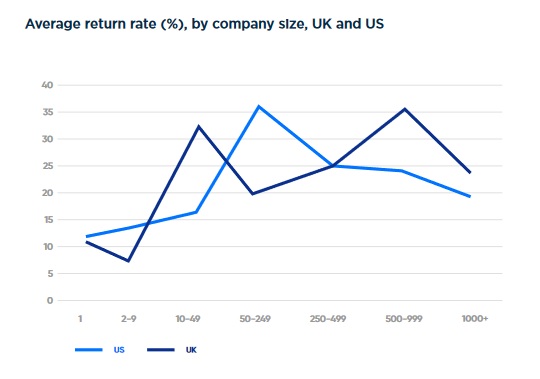
    La logística inversa ha sido durante mucho tiempo el problema hijo de la gestión de la cadena de suministro. Cada vez más, ese niño ha necesitado alguna ayuda seria. Esto se debe a dos factores. La forma en que Internet ha transformado la forma en que compramos y además el corto ciclo de vida de los bienes de consumo. Aunque a la mayoría de los consumidores todavía les gusta comprar en las tiendas de la calle para encontrar los productos que les gustan, al menos el 8% de las ventas son ahora de consumidores que simplemente hacen clic en una imagen para comprar un producto, sabiendo que pueden devolverla si es necesario. En la mayoría de los países, los consumidores tienen el derecho legal de devolver los bienes comprados en Internet. Muchos minoristas ahora incluso ofrecen devoluciones gratuitas de ‘prueba antes de comprar’, pero los procesos para administrar esas devoluciones, conocidos como logística inversa, son mucho más frágiles, costosos y susceptibles a problemas que los procesos logísticos avanzados generalmente bien controlados. Aunque las tasas de retorno varían ampliamente en diferentes verticales, la tasa de retorno promedio se ha calculado en alrededor del 17 al 18%.

    Brightpearl

    Source: Brightpearl

    La logística inversa enfrenta problemas complejos debido a la forma “ad-hoc” en que los consumidores devuelven artículos y vulnerabilidades en los procesos de devolución. Debido a que la logística inversa no se considera un proceso generador de ingresos, a veces no recibe la atención que necesita, pero recientemente se le ha reconocido cada vez más por tener un papel clave en la rentabilidad de la empresa. Tener procesos eficientes para recolectar, revender o reciclar artículos usados ​​puede generar ingresos adicionales y mejorar los resultados de una empresa. Hay otras razones importantes para prestar más atención a la logística inversa. Los consumidores ahora juzgan a las compañías por sus credenciales ecológicas, y los consumidores son conscientes de que muchos dispositivos electrónicos contienen algunos químicos altamente tóxicos. Proporcionar un canal a través del cual los dispositivos antiguos se puedan intercambiar y reciclar de manera confiable es un punto de venta positivo. La eficiencia del proceso de devolución también tiene un impacto significativo en la impresión de los clientes de un negocio.

    Aunque la “revolución de los retornos” afecta a todas las líneas comerciales minoristas, los productos electrónicos de consumo de alto valor son especialmente propensos a problemas en el proceso de devoluciones. Enormes volúmenes de teléfonos, decodificadores, enrutadores, incluso televisores y computadoras portátiles, ahora se devuelven a través de una multitud de canales por una variedad de razones. Los almacenes pueden recibir miles de dichos productos por semana. La mayoría de esos dispositivos aún pueden estar funcionando y pueden revenderse, pero rastrear dichos dispositivos desde los clientes, evaluar su viabilidad para revenderlos, restaurarlos, reempacarlos y luego redistribuirlos, es un desafío sustancial.

    Los problemas comienzan tan pronto como un cliente dice que quiere devolver un dispositivo. Ya sea porque el dispositivo es defectuoso, no apto, incorrecto, no deseado o porque están rescindiendo su contrato, deben notificar que se está devolviendo el dispositivo. Los agentes deben capturar correctamente los detalles de por qué se devuelve el dispositivo y emitir una RMA (Autorización de devolución de mercancía). Esto desencadenará una secuencia compleja de procesos para finalizar los servicios en la red, calcular los ajustes de facturas, preparar los sistemas posteriores para la recepción de los dispositivos devueltos, actualizar los inventarios al recibirlos, administrar la inspección, la renovación y la reventa de esos dispositivos, y potencialmente emitir reemplazos para dispositivos defectuosos, dependiendo de factores como el contrato, la garantía, el estado del dispositivo, el tipo de terminación o la calificación del cliente, los clientes pueden ser responsables de cargos adicionales o elegibles para una compensación.

    Reverse Logistics

    Los canales de devolución típicos serían enviar un dispositivo por mensajería, devolverlo a una tienda o un técnico puede devolver la mercancía. Cualquiera que sea el canal, los dispositivos a menudo llegarán sin una indicación clara de a qué cuenta de cliente se refieren. Las devoluciones a las tiendas son particularmente problemáticas con los agentes que no escanean los códigos de barras o registran las devoluciones correctamente. Es posible que los sistemas en la tienda no puedan registrar IMEI, IMSI y / o números de serie, y no hay motivación para que el personal etiquete los dispositivos devueltos con precisión.

    Con tantas piezas móviles, no sorprende que muchos dispositivos se pierdan o se pierdan en el camino, y que los clientes se carguen incorrectamente. Se sabe que los operadores cancelan más de $ 5 + millones en dispositivos perdidos por mes.

    Una solución es implementar controles automatizados que brinden monitoreo en todos los sistemas, tanto en logística directa como inversa, asegurando así que los dispositivos se puedan monitorear desde el pedido inicial en CRM, dentro y fuera de los almacenes, con mensajeros, envíos, socios de renovación, compañías financieras y estado de activación en el aprovisionamiento de servicios de red. Con sistemas de monitoreo que pueden detectar incluso la ubicación física donde se instalan los dispositivos, es posible validar el inventario, facturar a los clientes y socios con precisión, evitar fraudes, recuperar el valor máximo de los dispositivos devueltos y comprender por qué se devuelven los dispositivos.

    Subex proporciona soluciones de ROC Device Assurance a operadores de todo el mundo, ayudando a localizar dispositivos faltantes, conciliar y corregir sistemas de facturación, CRM, aprovisionamiento, distribución e inventario con capacidades de descubrimiento y reconciliación líderes a nivel mundial.

    Grabación de seminario web – Evolución en la mitigación de riesgo de dispositivos

    Mira el seminario web ahora.

  • ¿Cómo luchan los gestores de fraude en la industria de las telecomunicaciones a los estafadores?

    ¿Cómo luchan los gestores de fraude en la industria de las telecomunicaciones a los estafadores?

    Actualmente enfrentamos un brote global de COVID-19 con el consiguiente bloqueo, pánico y miedo en todo el mundo. Hemos seguido con atención los medios de comunicación para mantenernos actualizados sobre la situación. Si bien, de manera muy alentadora, más del 95% de la fuerza laboral ha comenzado a trabajar desde casa con una posible conectividad segura, los estafadores también han estado igualmente activos, buscando oportunidades para atacar a los suscriptores en todo el mundo. En el último mes, ha habido un fuerte aumento en la incidencia de IRSF, llamadas automáticas, estafas por SMS, fraude de ingeniería social, DDoS y ataques cibernéticos.

    Los operadores y los clientes han estado enormemente tensos durante las últimas semanas. Necesitamos estar a la altura de las circunstancias para proteger sus intereses. Según lo vemos desde Subex, se pueden seguir los siguientes pasos para enfrentar los desafíos relacionados con el fraude de las telecomunicaciones:

    • Conciencia del suscriptor: se debe lanzar un programa de concientización del suscriptor de inmediato para que los consumidores desconfíen de los diversos esquemas fraudulentos que surgen durante el período de pánico y miedo. Un caso puntual según lo informado por uno de los operadores asiáticos es que la semana pasada muchos suscriptores que habían instalado las aplicaciones de actualización en vivo COVID-19 en sus teléfonos recaudaron la friolera de $ 0.16 Mn porque no sabían que las aplicaciones también tomarían el estado del teléfono, incluida la función de lectura y escritura de SMS.
    • Priorizar el monitoreo de alertas de fraude: el trabajo remoto tendría sus desafíos. Los equipos de gestión de fraudes deben priorizar las alertas, especialmente las que tendrían un mayor impacto en los suscriptores y actuar en consecuencia y fijarlas en prioridad.
    • Acciones correctivas de causa raíz: la solución ideada para eliminar las causas de la actividad fraudulenta reducirá las probabilidades de su recurrencia. Por ejemplo, en la red, el rango de los números de destino de alto riesgo puede bloquearse por un corto período si se detecta un ataque de fraude IRSF.
    • Comunicación y colaboración: debemos estar conectados digitalmente a todas las partes interesadas para que actúen con dureza en actividades fraudulentas en la red. El SLA con las partes interesadas puede ser refinado y ajustado adecuadamente para una acción más rápida. Este es uno de los elementos clave cuando todo el equipo trabaja de forma remota para respaldar las operaciones diarias.
    • Actualizaciones periódicas sobre los patrones de fraude emergentes / recientes: visite con frecuencia los foros de fraude para estar al tanto de los patrones de fraude emergentes / recientes elaborados por los estafadores. Los delincuentes siempre están atentos a arruinar los procesos y sistemas para fines nefastos. Muchos operadores han informado un aumento en las llamadas automáticas, estafas por SMS y ciberataques durante este período.
    • Realización de la gestión del fraude como parte del Plan de continuidad del negocio (BCP): es muy importante incorporar la gestión del fraude como parte del BCP de manera importante y garantizar que tengamos la máxima cobertura durante este período.

    Según nuestros cálculos, los equipos de gestión de fraudes deberían estar más atentos y ágiles que nunca para enfrentar los nuevos desafíos del fraude de telecomunicaciones que se generalizaron durante este brote global de COVID-19. Los administradores de fraudes son superhéroes cuando se trata de generar confianza con los clientes.

    ¡Manténgase seguro y saludable!

    Para comprender cómo puede detectar y prevenir estafas y llamadas no deseadas utilizando modelos avanzados de aprendizaje automático

    Descargue el Estudio de Caso

  • Telecom fraud managers fight against fraudsters during COVID-19 crisis

    Telecom fraud managers fight against fraudsters during COVID-19 crisis

    There is now a global outbreak of COVID-19 with the resultant lock-down, panic, and fear across the globe. We have been keenly following the media to keep ourselves updated about the situation. While, very reassuringly, more than 95% of the workforces have started working from home with possible secure connectivity, fraudsters have also been equally active, looking for opportunities to attack the subscribers all over the world. In the past month, there has been a sharp increase in the incidence of IRSF, Robocalls, SMS Scams, Social Engineering fraud, DDoS and cyber-attacks.

    The operators and customers have been enormously strained during the past few weeks. We need to rise to the occasion to protect their interests. In my view, the following steps may be taken to deal with the telco fraud-related challenges:

    • Subscriber awareness: A subscriber awareness programme need to be launched immediately to make consumers wary of various fraudulent schemes that are floated during the time of panic and fear. A case in point as reported by one of the Asian operators is that last week many subscribers who had installed the COVID-19 live update apps on their phones coughed up a whopping $ 0.16 Mn because they were unaware that apps would also take over the status of the phone including SMS read and write function.
    • Prioritizing the fraud alerts monitoring: Remote working would have its challenges. The fraud management teams need to prioritize the alerts, especially which would have more impact on the subscribers and act on it and fix them on priority.
    • Root-cause corrective actions: Solution devised to eliminate the causes of fraudulent activity will stem the probabilities of its recurrence. For example, in the network, the range of the high-risk destination numbers may be blocked for a short period if an IRSF fraud attack is detected.
    • Communication and collaboration: We must be connected digitally to all the stakeholders so that they act tough on fraudulent activities on the network. SLA with stakeholders may be refined and suitably tweaked for faster action. This is one of the key elements when the whole team is working remotely to support daily operations.
    • Regular updates on emerging/latest fraud patterns: Frequently visiting the fraud forums to be abreast of the emerging/ latest fraud patterns worked out by the fraudsters. Criminals are always on the lookout to ruin the processes and systems for nefarious ends. Many operators have reported an increase in the robocalls, SMS scam & cyberattack during this period.
    • Making fraud management as part of the Business Continuity Plan (BCP): It is very important to incorporate fraud management as part of the BCP in a major way and ensure we have maximum coverage during this period.

    In my reckoning, the fraud management teams ought to be more vigilant and agile than ever before to meet the new challenges of telecom fraud becoming rife during this global outbreak of COVID-19. Fraud managers are superheroes when it comes to building trust with the customers.

    Stay safe and stay healthy!

    To understand how you can detect and prevent scam and spam calls using advanced machine learning models

    DOWNLOAD THE CASE STUDY

  • How big is the impact of the IRSF Fraud and 5 simple strategies to control IRSF

    How big is the impact of the IRSF Fraud and 5 simple strategies to control IRSF

    International Revenue Share Fraud (IRSF) is one of those fraud types that has been alive for two decades now, all because of the fraud being intricate in its pattern while the approach to it being still very reactive. Here, the motive of the fraudster is to receive the revenue share from the termination charge on international premium numbers. The fraudsters abuse the telecom operator’s infrastructure to artificially inflate traffic onto high-risk international destinations with the intention of non-payment. This fraud is common across geographies and has an estimated fraud loss of USD 5.04 Billion (The highest fraud loss contributor) as per the Communications Fraud Control Association (CFCA) Global Fraud Loss Survey, 2019.

    Lack of adequate steps taken to protect the network has caused this fraud to grow by leaps and bounds. In this fraud, the attacker usually tries to exploit the vulnerabilities of the Telecom Service Provider’s assets and attacks by either calling to unallocated number ranges or land calls onto international premium rated services or illegitimately route calls to short stopped mobiles. Subscription fraud, PBX hacking, Arbitrage Margin, SIM Cloning, Device theft and abuse of promotional services are often the commonly used methods for executing the fraudulent practices. The fraud is also quite common with many fixed line providers.

    In my experience of working with multiple operators, globally, I feel that the most common challenge faced by operators is in understanding the fraud pattern and method used by the attacker. The impact on the operator becomes brutal when fraudsters use unknown patterns of execution and sophisticated techniques to attack the network. IRSF attacks from roaming network, call conferencing, call forwarding, calling cards, negative margin abuse for products and services are among the more popular methods for a fraudster in launching attacks.

    Also, the lack of regulatory precedence in governing the way of carrying out business with international carriers is not sufficiently strict, setting the perfect breeding ground for fraudsters to flourish.

    Why has this fraud grown in leaps and bounds and how do I ensure control proactiveness?

    Traditional and reactive fraud countering mechanisms as of date do not have a full-proof solution, and one of the biggest reasons is that there are not enough fraud controlling strategies, mechanisms, and systems in place. IRSF, unlike other fraud types, requires a continual and proactive measure for control. More than just the “run-of-the-mill” detection techniques, the fraud type requires a well-planned control and mitigation steering strategy and here are six simple strategies, to begin with:

    • Fraudulent practices have become cleverer over time.

    If we brag of the fact that the fraud detection technologies have become quite sophisticated over time, we must not forget that the fraud practices too have gained an equal amount of intelligence. Fraudsters these days are quick to realize technology loopholes and system fault lines. It does not take much for fraudsters today to detect the fraud finding patterns and control logic of CSPs and identify the loophole in the system. In order to counter the fraudster’s attempt of IRSF, study of method and pattern become a critical process. Also use of SIP monitoring technique to identify devices/tool such as SIP vicious can help telcos to prevent IRSF. A mix of AI/ML techniques and models can be used to detect new IRSF fraud patterns with automation and build IRSF intelligence e.g.: trends in calling patterns.

    • Demoralize your IRSF attacker

    Letting your attacker attack you to dig his own grave sounds like an oxymoron? Actually not! It is, in fact, possible to have a honey-trap system in place where you lure the attacker to launch the attacks onto it without a fruitful outcome. The more the attacker’s attempts fail, the less hopeful they strive any further. Additionally, gathering intelligence from trusted suppliers who can provide information about prominent fraud groups and support surgical blocking of international number ranges has proved to be a successful strategy globally to counter IRSF.

    • Think of the customer and protect their interests

    IRSF not just drains away revenue resources but also can cause customer dissatisfaction, causing them to churn out of the network eventually. IRSF not only targets retail accounts but enterprise customer is a key risk group costing the telecom operator millions of dollars. Hence it is crucial that we don’t ignore whenever a customer complains of frequent cross-connections or call diversions for international calls.

    • Have an “Anytime-Anywhere” vigilance strategy with automation to your advantage

    The detection processes for IRSF may be complicated and resource-intensive at times. However, having the right strategies, the right processes with the right amount of automation applied to them can help the business in a significant way. I personally recommend a 24 x 7 detection strategy to be put in place to counter the IRSF attacks. From the cases that I have dealt with, it’s my observation that though IFRS attacks happen round the clock, however, the wee hours of the morning or off-business hours are critical target. Having a rotational manpower strategy can really work wonders at times. However, there could also be instances where having a 24*7 approach may not be possible owing to the lack of capital or high cost of human resources. In such instances, a mix of the automation of detection processes and human intensive operations during crucial hours will be of value.

    • Never ignore negative margins

    Negative margins can occur at any level. It could emerge while planning the pricing strategies of the products, services, use of calling cards in international destinations or interconnect agreements. Feeble margins on profits can often open a pandora’s box for fraudsters. Just the basic knowledge on negative margins is enough for fraudsters to break open mayhem. Trend reports on traffic patterns with priorities given to partnerships with frugal margins can save the day!

    • Pursue strategic knowledge partnerships to establish fraudster intelligence

    Sharing knowledge and having a supportive ecosystem for interaction with carrier partners and vendors in the value chain can be a practical step closer to proactiveness. Also, MoU’s established with industry forums and CoEs like GSMA, CFCA, RAG Blockchain for Wangiri, and others can help CSPs gain information such as PRS test numbers and services, high-risk range numbers, unallocated number series which can be used as vital sources of references to counter this fraud. Telecom operators can also build up the internal defense by establishing service controls e.g. restrictions on the use of international and roaming capabilities for certain customers. And restrict international call forwarding, multi-party calling, etc.

    When I say a reactive approach for AI / ML based IRSF fraud detection, I mean that much of the effort and systems built towards countering the fraud are in silos and so are the human efforts that go into it. By a proactive system, I mean a system that is quite unified in its approach and can perform end to end operations associated with the fraud type. A proactive Fraud Management system shall flag the first call in roaming, track significant deviation in usage behavior, high volumes of international traffic to high-risk destinations, sequential dialing, etc. and couple it with the use of knowledge databases like Subex IRSF data intelligence that includes unallocated number ranges, high-risk ranges, known fraudulent numbers to support network-based blocking and/or integration for early identification of high-risk behaviors and automated blocking, where required.

    One of the many ways of building a more proactive and unified system is to go the AI (Artificial Intelligence) way. A well thought out AI technology strategy can really help detect the fraud at a very early stage and help you choose the right controls for specific problems in question. It aims to reduce the time taken by the laborious human efforts that go into the detection stage while helping analysts and investigators concentrate on the need of the hour. Much as the famous English saying goes “Every cloud has a silver lining,” the impact of the IRSF can considerably be reduced by just broadening the organizational perspectives towards the fraud.

    Subex has recently partnered from Biaas for IRSF data Intelligence, To know how you can benefit from this partnership

    Download the flyer

  • Collaboration – The key to combat IRSF fraud

    Collaboration – The key to combat IRSF fraud

    Fraud continues to be a major problem for telecom operators, costing them billions of dollars annually. While telecom operators are continuously innovating to create new avenues of revenue streams to fight declining revenue margins from Voice and SMS services, technological advances are empowering fraudsters to evolve their fraudulent practices to tamper into the network. Telcos need to have access to the right threat intelligence information to combat fraud.

    International Revenue Share Fraud (IRSF) is one of the frauds which telcos have been trying to overcome for decades but still struggle to solve. Fraudsters usually exploit the vulnerabilities of the Communication Service Providers (CSPs) assets and attack by either calling to unallocated number ranges, landing calls onto international premium rated services, or illegitimately routing calls to short stopped mobiles. Subscription fraud, PBX hacking, Arbitrage Margin, SIM Cloning, Device theft, and abuse of promotional services are often the commonly used methods for executing fraudulent practices. IRSF attacks from the roaming network, call conferencing, call forwarding, calling cards, negative margin abuse for products and services are also some of the more popular methods for a fraudster in launching attacks. CSPs need to look to overcome the IRSF fraud menace to avoid revenue losses, network clogging, poor customer, and partner experience and negative impact on the brand image.

    While the Fraud Management (FM) system needs to be in place to overcome IRSF, one of the ways to tackle IRSF fraud is to have access to global number threat intelligence information. CSPs can configure their FM system to utilize this threat intelligence to detect and prevent fraud. To empower Subex ROC™ Fraud Management customers with threat intelligence information, Subex has recently partnered with RAG Wangiri blockchain consortium to provide its customers access to real-time threat intelligence to combat Wangiri fraud.

    As a next step, Subex is now partnering with Biaas, a leading expert in global number plan management for Pricing, Assurance, and Fraud Management within the telecommunication industry for IRSF threat intelligence. Through this partnership, Subex aims to provide its customers access to a powerful global number intelligence database that uses real-time information to battle International Revenue Sharing Fraud (IRSF). CSPs will have access to the following by subscribing to this database:

    • IRSF Test Number Database : Intelligence numbers gathered from IPRN websites and other sources. This will enable the CSP to identify if calls on their networks are being made to any IRSF Test Numbers as calls to IRSF Test Numbers are often an indicator that a fraud is about to happen.
    • Unallocated Destinations Database : Number ranges that are not allocated in any National Numbering Plan and should therefore see no legitimate traffic – any calls made to these destinations can confidently be flagged as fraudulent. This data even includes Unused Destinations, which appear allocated and valid but are not used by any operators currently. CSP will able to identify calls to expensive unallocated or Unused/Unassigned International destinations. CSP can use this data in many ways to pro-actively prevent or reduce such IRSF and other international voice frauds.
    • Allocated Destinations Database : Number ranges that are currently allocated to various operators. CSP will have access to tailored lists of International Higher Cost destinations (e.g. depending on geography or call types/tariffs) which can be utilized to assign higher priority to those potential frauds which would cause losses.
    • Digit String Length Database : Intelligence on the length of the numbers that are gathered from traffic analysis which can allow detection of fake calls made by fraudsters to destinations of invalid lengths.

    CSP will also have access to international fraud helpdesk run by expert Biaas professionals to facilitate fast and accurate issue resolution and decision making. By having access to this critical intelligence from Biaas, telecom fraud management teams will be able to effectively configure multiple types of defenses in the form of rules and real-time actions to keep fraudsters at bay. Combining this effective number intelligence with rich fraud detection capabilities provided by ROC Fraud management, CSPs will now have greater control in fighting IRSF fraud thereby directly protecting their revenue losses.

    To know more about how you will benefit from this partnership

    Download the flyer now!

  • ¿Vender dispositivos es una bendición o una pesadilla para las empresas de telecomunicaciones?

    ¿Vender dispositivos es una bendición o una pesadilla para las empresas de telecomunicaciones?

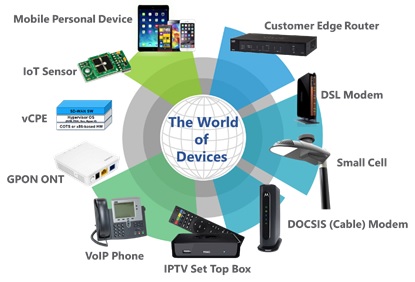
    El teléfono inteligente parpadea cuando se menciona el dispositivo. Sin embargo, los dispositivos son un gran ecosistema más allá de los teléfonos inteligentes: una gama de equipos como dongles, enrutadores, equipos de las instalaciones del cliente (CPE) y teléfonos IP, por nombrar algunos. Los dispositivos son una gran herramienta para que las empresas de telecomunicaciones atrapen y satisfagan a sus clientes. Por ejemplo, las ofertas agrupadas con contratos que abarcan meses proporcionan ingresos predecibles para las empresas de telecomunicaciones.

    La próxima ola de oportunidades.

    Con IoT y 5G haciendo avances, las empresas de telecomunicaciones se están preparando para los dispositivos de próxima generación para redes domésticas y de oficina. Una oportunidad lucrativa para las empresas de telecomunicaciones, ya que los dispositivos son críticos para la penetración de IoT / 5G. Se introducirán dispositivos más nuevos, como celdas pequeñas para aumentar la capacidad de la red y mejorar la cobertura interior. No es de extrañar que las empresas de telecomunicaciones estén invirtiendo en dispositivos.

    ¿Las empresas de telecomunicaciones se están beneficiando de los dispositivos?

    Los dispositivos son una oportunidad atractiva ya que mejoran la adherencia del cliente y el ARPU. Los dispositivos son buenas herramientas de promoción para atraer nuevos clientes y ganar tracción incluso en economías emergentes. Muchos clientes extienden su relación con las empresas de telecomunicaciones más allá del período de contrato.

    Sin embargo, la adquisición, venta y administración de dispositivos está plagada de riesgos. El fraude, las fugas y la deuda inmanejable están obstaculizando los ingresos y las ganancias.

    Una encuesta en los estados de la empresa de telecomunicaciones:

    “A nivel mundial, se pierden al menos 2 USD por dispositivo” Millones de USD están siendo dados de baja impactando P&L

    ¿Cuáles son los riesgos?

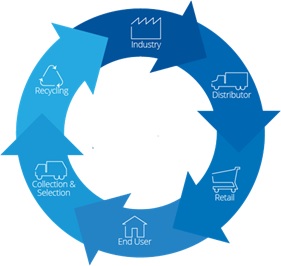
    La Telco en promedio gasta el 20% de su OPEX en la adquisición y el mantenimiento de dispositivos. Toda la cadena de suministro que cubre la logística directa e inversa es propensa a riesgos. La cadena de suministro no solo involucra a las partes interesadas dentro de la empresa de telecomunicaciones (marketing, ventas, operaciones, logística, finanzas), sino a muchas partes externas: fabricante, proveedor, socio financiero, distribuidor, socio de envío, red de almacenamiento, agentes minoristas, socio de reparación / renovación, y el cliente final.

    El apilamiento de tecnología es compleja con al menos 10 aplicaciones y plataformas diferentes involucradas. Las fugas de stock en los pedidos ordenados frente a los recibidos, las brechas de inventario, el envejecimiento de los dispositivos en el inventario, las brechas en los puntos de venta son algunos de los riesgos tecnológicos a destacar.

    Gestione los riesgos

    ¿Cómo podrían las compañías de telecomunicaciones controlar los riesgos y las fugas, y aprovechar al máximo la oportunidad?

    Regístrese para nuestro próximo seminario web sobre Evolución en la mitigación de riesgo de dispositivo.

    Pulse aquí para registrarse

  • What is Wangiri Fraud and how does it impact telecom operators?

    What is Wangiri Fraud and how does it impact telecom operators?

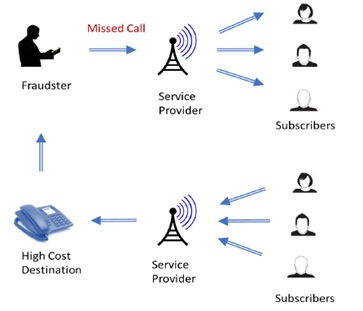
    Wangiri fraud, a callback scam dates has its origin to the Japanese word which means “one ring and cut”. Telecom operators are facing this for over a decade now and this is only growing exponentially year on year around the globe. In Wangiri, a fraudster gives a missed call to several victim’s phone numbers of different countries from an international or unusual number. To the user, the CLI (caller number ID) is modified in such a way that it looks like a genuine call and when the victim calls back, it turns out to be a premium rate service (PRS) number owned by fraudster for which the victim is charged heavily for the calls. The fraudster intends to keep the victim on hold to increase the billed amount. The premium rate service provider pays the fraudster a certain share of the call revenue for each minute of call received by the premium rate number.

    As per the CFCA 2019 fraud loss survey report, Wangiri is one of the top 5 fraud methods used by fraudsters to carry out fraudulent activities. It is also estimated that telcos are losing close to USD 1.82 billion globally to this fraud.

    FIGURE 1.1: Wangiri Fraud

    Impact of Wangiri fraud on telecom operators

    Telcos incur both direct and in-direct loss due to Wangiri Fraud. Wangiri impacts the customers adversely resulting in customer churn due to high customer dissatisfaction from bill shocks and bad customer experience. It also has a negative impact on the operator brand image as subscribers would complain about the high call rates charged to them without them being aware of it. There is also an impact on the cost due to the increase in customer management.

    Why Wangiri cannot be eliminated?

    The two main reasons due to which Wangiri cannot be eliminated but can be managed are:

    • There is no regulation defined on the carrier business causing the fraudster to take advantage of the vulnerabilities of the carrier network.
    • The lack of visibility on the end carrier who is terminating the call is another reason why Wangiri can’t be eliminated.

    The end carrier who terminates a fraudulent missed call is not aware of the fraudster details and the country from which call has originated is a high-risk destination or not. Better awareness at the carrier level can significantly decrease many Wangiri cases.

    As is clear from the statistics, Wangiri is eating a good chunk of the overall telecom revenues globally and needs to be addressed by the operator. Here is an interesting blog which talks about 8 simple strategies for telcos to combat Wangiri fraud. We conclude that Wangiri fraud cannot be eliminated, but its adverse impact of direct and indirect losses to the operator can be minimized to a large extent by having a robust fraud management system that can monitor the calls at source and tear down the calls in real-time.

    A tier-1 Middle East based telecom operator leveraged Subex’s Fraud Management’s signaling intelligence to detect and prevent Wangiri frauds.

    Read the case study now!

  • SIM SWAP FRAUD: Stepping into the fraudster’s shoes!

    SIM SWAP FRAUD: Stepping into the fraudster’s shoes!

    “Lose a credit card and the loss may be in thousands… Lose a SIM Card, the loss is irreparable”

    Last week, Twitter CEO Jack Dorsey became the latest high-profile account to be targeted by SIM swappers. Dorsey’s account sent several tweets, including some with racial slurs and others that defended Nazi Germany. Luckily for him, his account was secured soon after, and the consequences weren’t catastrophic. However, there have been many instances where SIM swappers have left victims in a really troubled state – especially the ones targeted for monetary gains.

    SIM swap is a type of phishing fraud that poses a serious threat to customer along with the telecom and the banking environments. The SIM SWAP fraudster in here obtains an individual’s banking details through vishing/smishing/phishing techniques or by purchasing these from organized crime networks. They then use this information, including personal details sourced via social media, to pose as the victim to the mobile network operator and fool them into cancelling and reactivating the victim’s mobile number to a SIM in their possession. As a result, all calls and texts to the victim’s number are routed to the fraudster’s phone, including one-time passwords for banking transactions. After receiving a one-time pin or password from a bank, the fraudster can then potentially access the customer’s bank account and transfer funds. The SIM SWAP fraud impacts not just the victim, financially but also the telecom operator and the bank, equally. As non-adherence to consumer interests and protection, in many countries, both the entities (the telco and the bank) are legally liable to compensate the victim for his/her financial losses. When the loss is in millions, the impact is very grave!

    Have you ever taken a moment to pause and think from a fraudster’s perspective to counter the fraud? Well most blogs that you will find on the internet on SIM SWAP will tell you ways (in bulletin points) as how to protect your assets from the SIM SWAP fraud. However, I am quite sure that there will only be a handful of blogs that will tell you how a SIM SWAP fraudster thinks in-order to be able to protect your customers from such attacks.

    Without much ado, let me take you through the 4 vicious stages involved in the SIM SWAP fraud attack which will help you understand your SIM SWAP fraudster better and stay ahead of them on any given day!

    Stage 1 – “Cherry picking and stalking”

    Fraudsters are always on the loom to pick on their fraudsters and the social media, has, in a great way helped them in getting away with their desired schemes. A SIM SWAP fraudster may look for a high-profile customer or a prosperous and wealthy business personnel who generally solicits with prospective clients over social media. The SIM SWAP fraudster here could impersonate one such client, send out a connection request and start to closely monitor the victim’s activities. The SIM SWAP fraudster can even hijack an account of the victim’s affiliate to initiate conversations/get more information about the victim. In events where the victim does not have enough digital footprints, SIM SWAP fraudsters have even taken the road of dumpster diving and shoulder surfing!

    Stage 2 – “Impersonating the victim”

    At this stage, the fraudster has got all the information he/she needed to pass through the authentication protocols required to get hold of the victim’s assets. Once he/she has managed to convince the bank and Telecom Operator of his/her false identity, he/she goes on to take-over the customer’s personal assets such as his/her sim card or his bank account.

    Stage 3 – “Swindling at once”

    Having gained total control over the victim’s assets, the SIM SWAP fraudster now tries to extract monetary benefits from the victim’s assets at a single go. Here the victim is totally cut-off from his/her mobile network even without knowing it. By the time the victim gets to know that there are transactions carried out on his/her account without their knowledge, the damage is done!

    Stage 4 – “Covering it up”

    After having caused enough damage to the victim, the SIM SWAP fraudster lets go of the victim’s assets and goes on to hunt for another victim. The SIM SWAP fraudster makes sure that he/she makes enough improvisations to his/her fraudulent schemes so as not to appear like a serial offender, thereby leaving the law keeping forces with very little clue of the fraudster’s whereabouts!

    SIM SWAP fraud, unlike many other telecom/bank frauds requires a joint effort from the customer, the bank and the telco. However, catching hold of the SIM SWAP fraudster doesn’t require the brains of Sherlock Holmes! Vigilance and a little proactiveness on how a fraudster might possibly behave can help catch them at a very early stage. To counter the ill-effects of the fraud, top Telecom Service providers like AT&T, T-Mobile, Verizon and other are harping on customer authentication through the 2-Factor method even during telephonic conversations.

    However, I personally believe that not much is being done to study transactional pattern anomalies to identify potential fraudsters in the network and its high time bank authorities joined hands with telcos in countering the fraud. E.g. the telcos can notify the banks of change in a customer’s IMEI/MAC address/addition or modification of accounts/transactional abnormalities and then the banks can monitor the customer’s transactions for that week, in priority! Masking methods can be used during exchange of information to protect consumer interests. Telcos and banks can be more proactive by creating a database for reference where any changes made to the consumer’s profiles can be stored and looked up for instances of abnormal transactions. As preventative measures, customers can be advised by both the telcos and the banks to take enough care while sharing very personal and integral information such as card details, social security number etc. on social media or the public internet.  The SIM Swap fraud is known to cause serious collateral damage and reputational loss, however, a little care taken at the right point in time can work wonders!

    To know more about how you can stay vigilant about SIM Swap fraud, view this video.

  • ¿Por qué la inteligencia artificial impulsó la Gestión de fraude?

    ¿Por qué la inteligencia artificial impulsó la Gestión de fraude?

    La Inteligencia Artificial (IA) no es nueva y ha existido durante décadas. Sin embargo, con el advenimiento del big data y la informática distribuida que está disponible hoy en día, es posible darse cuenta del verdadero potencial de la IA. Desde lo que comenzó como una historia interesante en películas de ciencia ficción hasta programas como Alpha-Go que ha estado venciendo a los humanos, la IA ha ido evolucionando. La Inteligencia Artificial también se ha ramificado en múltiples subcategorías, como aprendizaje automático o machine learning, aprendizaje profundo, aprendizaje de refuerzo, etc.
    FM-1

    FM-2
    Una estrategia eficaz de gestión de fraudes (FM) incluye 3 pilares importantes: detectar, investigar y proteger. Creemos que la Inteligencia Artificial puede influir positivamente en los 3 pilares de la gestión del fraude, desde reducir los falsos positivos hasta ayudar a extraer el análisis de causa de raíz y crear una mejor experiencia del cliente en protección.

    En esta publicación, me gustaría ver el pilar inicial de la estrategia de Gestión de Fraudes: “Detección” y ver la influencia de IA en este paso tan importante. Un enfoque tradicional para la detección de fraudes ha sido a través de motores de reglas que podrían ser:

    • Condiciones en caso contrario
    • Umbrales
    • Expresiones
    • Evaluación de patrones de datos
    Estas son ampliamente conocidas como soluciones deterministas donde un evento desencadena una acción. Los mayores pros y contras de este enfoque es que se necesita la intervención humana para alimentar la lógica.

    Por ejemplo: para una detección basada en el umbral, los humanos tienen que alimentar el motor de reglas para que el recuento de registros por encima de cierto umbral sea sospechoso.

    Los siguientes diagramas muestran cómo se ve esto

    rule-engine

    Después de mirar el diagrama anterior, surge una pregunta importante, si este valor de umbral es una línea recta o puede doblarse según el comportamiento de los datos. Ahora hay formas para que el motor de reglas se comporte como se menciona en el diagrama,

    variable-threshold

    por ejemplo, en lugar de tener una sola regla, tengamos varias reglas

    • Por categoría de cliente
    • Por destino
    • Por edad de los clientes

    Y multiplique eso con otras dimensiones en los datos que son

    • Número de teléfono
    • Número de la persona que llama
    • Número llamado
    • Código de país

    Y multiplique eso con otro conjunto de medidas por dimensiones

    • Cuenta
    • Duración
    • valor

    Y arroje mil millones de volúmenes adicionales a los conjuntos de datos

    Rápidamente los equipos de FM terminan con algo como esto
    AI Blog1
    Pero lo que querían o soñaban era esto
    AI Blog2

    Ahora no digo que los equipos de FM no estén lo suficientemente capacitados para volar, pero un equipo de fraude en un proveedor moderno de Servicios Digitales debería estar más enfocado en otros factores importantes.

    machine-learning
    Entonces, veamos cómo una clase muy evolucionada de Inteligencia Artificial conocida como Aprendizaje Automático (Machine Learning) observa esta declaración del problema. En lugar de que los humanos alimenten la información del dominio o los umbrales, los algoritmos de aprendizaje automático extraen datos de comportamientos fraudulentos históricos y crean modelos. Estos modelos se utilizan para evaluar conjuntos de datos de producción reales para evaluar si ciertas actividades son fraudulentas o no. Una ventaja es que estos modelos son muy buenos para ver los conjuntos de datos desde múltiples dimensiones y medidas al mismo tiempo y para determinar si el evento es fraude o no.

    Este enfoque ayuda a lograr múltiples KPIs de equipos de gestión de fraude allí al aumentar la eficiencia.

    • Mayor precisión – debido a que la inteligencia artificial puede aprender y adaptarse a los escenarios de negocios más rápido, la inteligencia artificial puede aumentar significativamente la relación positiva verdadera
    • Reducción del tiempo de detección – qué tan rápido se puede detectar un evento de fraude
    • Autoaprendizaje – cómo, durante un período, los escenarios empresariales cambiantes y la estacionalidad en los datos se pueden adoptar para la detección de fraude
    • Inteligencia contra el fraude– cómo se pueden aprender y clasificar los comportamientos del cliente o de cualquier otra entidad para una mejor detección del fraude
    • Proactividad – capacidad de extraer patrones desconocidos que no se vieron en los datos anteriormente
    FM-4

    La aplicación de Inteligencia Artificial tiene sus propios desafíos importantes y requiere un nuevo marco de pensamiento, sin embargo, al observar el Tsunami de Datos que ha afectado a los equipos de gestión de fraudes, parece que un enfoque profesional de IA solo ayudaría a los equipos de Gestión de Fraude a escalar aún más.